USU Scientists Use Cave Bacteria to Target Cancer Cells
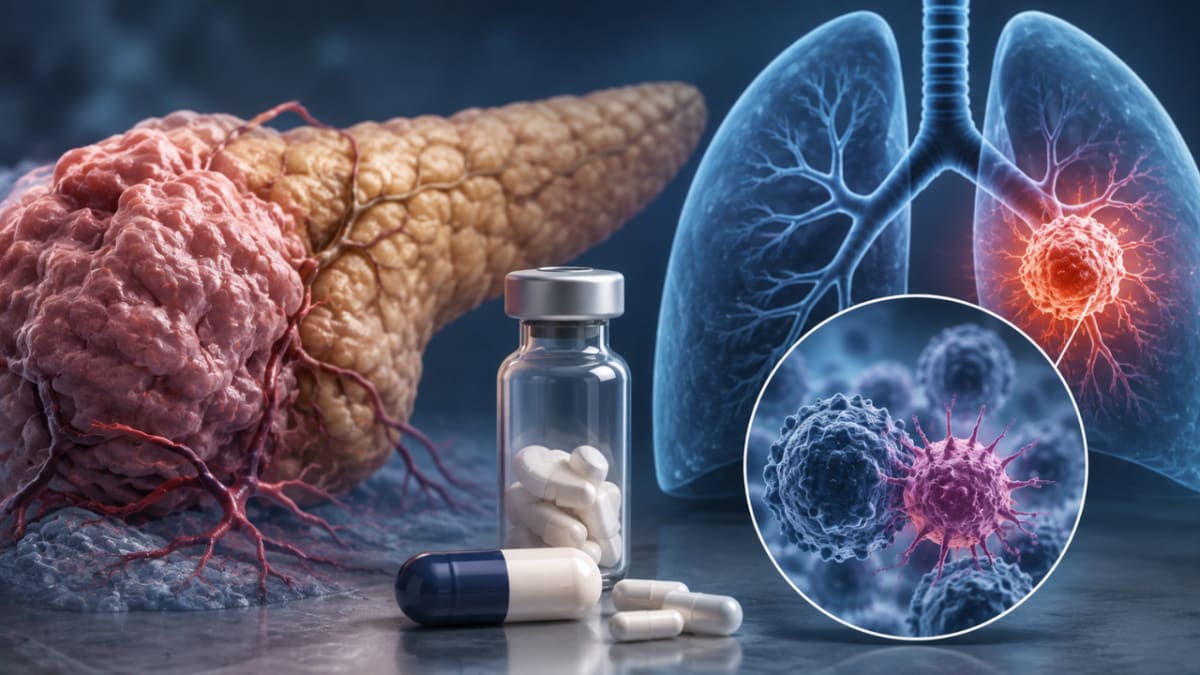
Scientists at Utah State University discovered a CRISPR tool from cave bacteria that can kill cancer cells while leaving healthy tissue untouched. Early tests in mice show the technology could revolutionize cancer treatment without the harsh side effects of chemotherapy.
📺 Watch the full story above
Scientists just found a potential cure for cancer hiding in one of the last places you'd expect: cave bacteria.
Researchers at Utah State University discovered a new type of CRISPR technology called Cas12a2 that can selectively hunt down and destroy cancer cells while leaving healthy tissue completely unharmed. The breakthrough could transform cancer treatment from a brutal battle into a precise, targeted cure.
"The immune system of cave bacteria holds the cure for cancer," said Ryan Jackson, an associate professor of biochemistry at USU. He's been studying how bacteria defend themselves against viruses, and that research just opened an entirely new door in medicine.
Here's how it works. Bacteria use CRISPR as their immune system, keeping genetic "mugshots" of viruses they've encountered before. When scientists discovered this system, they realized they could program it to target specific genetic sequences, which led to gene editing tools like the famous CRISPR-Cas9.
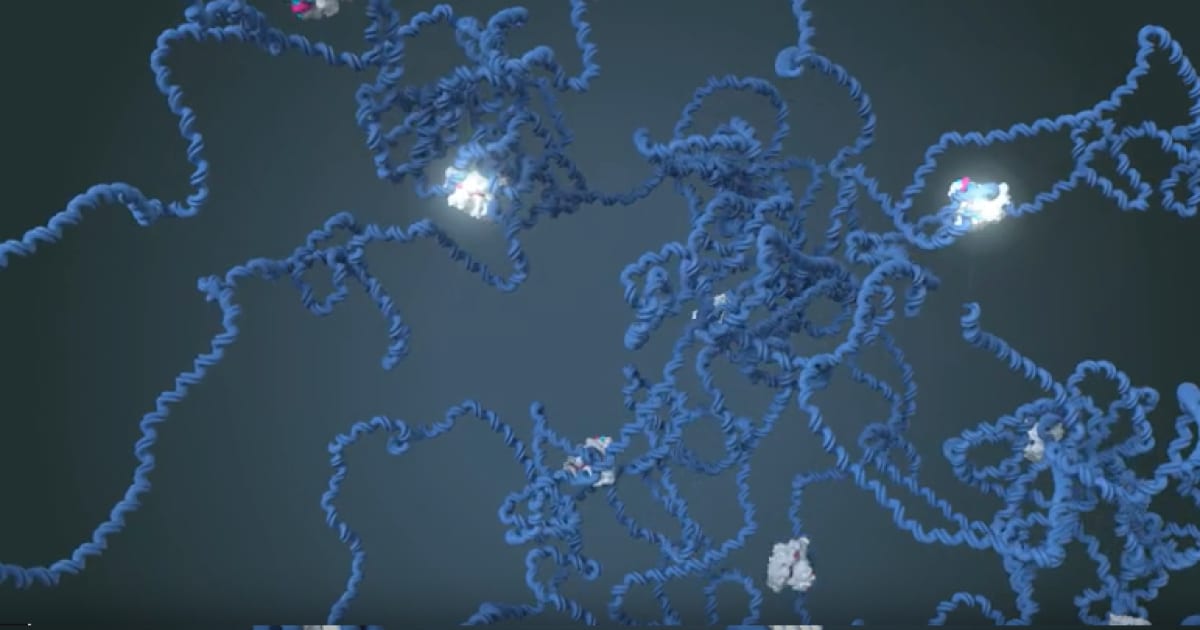
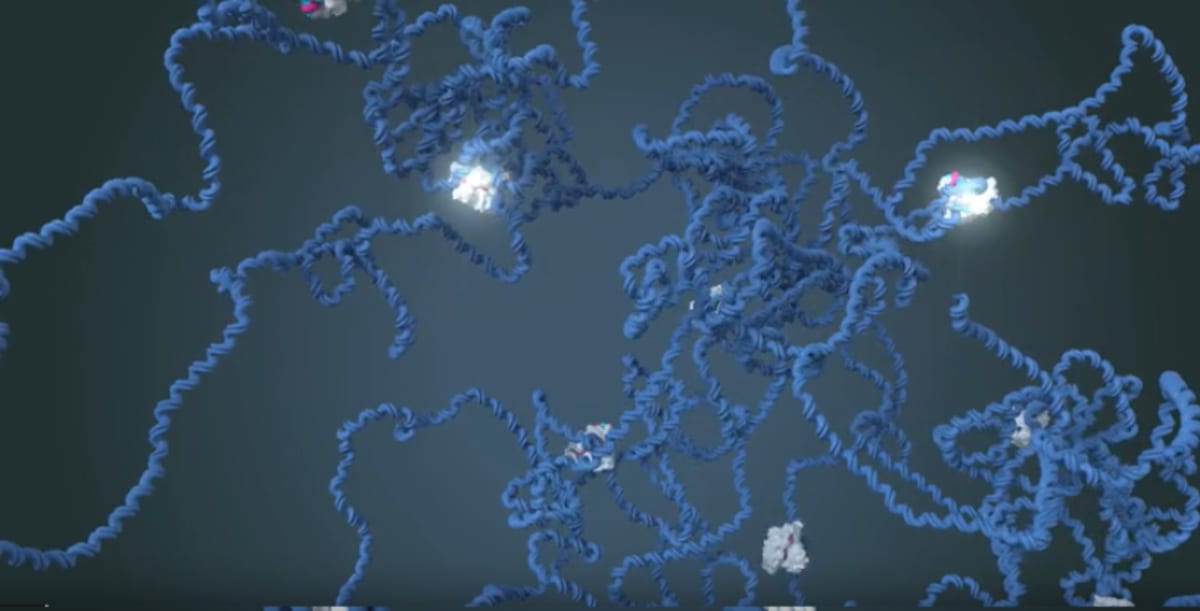
Jackson's discovery is different. Instead of making precise cuts like Cas9, Cas12a2 goes on what he calls a "DNA shredding rampage" when it detects cancer. It destroys the entire cancerous cell from the inside out.
The game changer? It only activates when it finds cancer RNA inside a cell. When Cas12a2 enters healthy tissue without that cancer signal, it just shuts off and breaks down naturally.
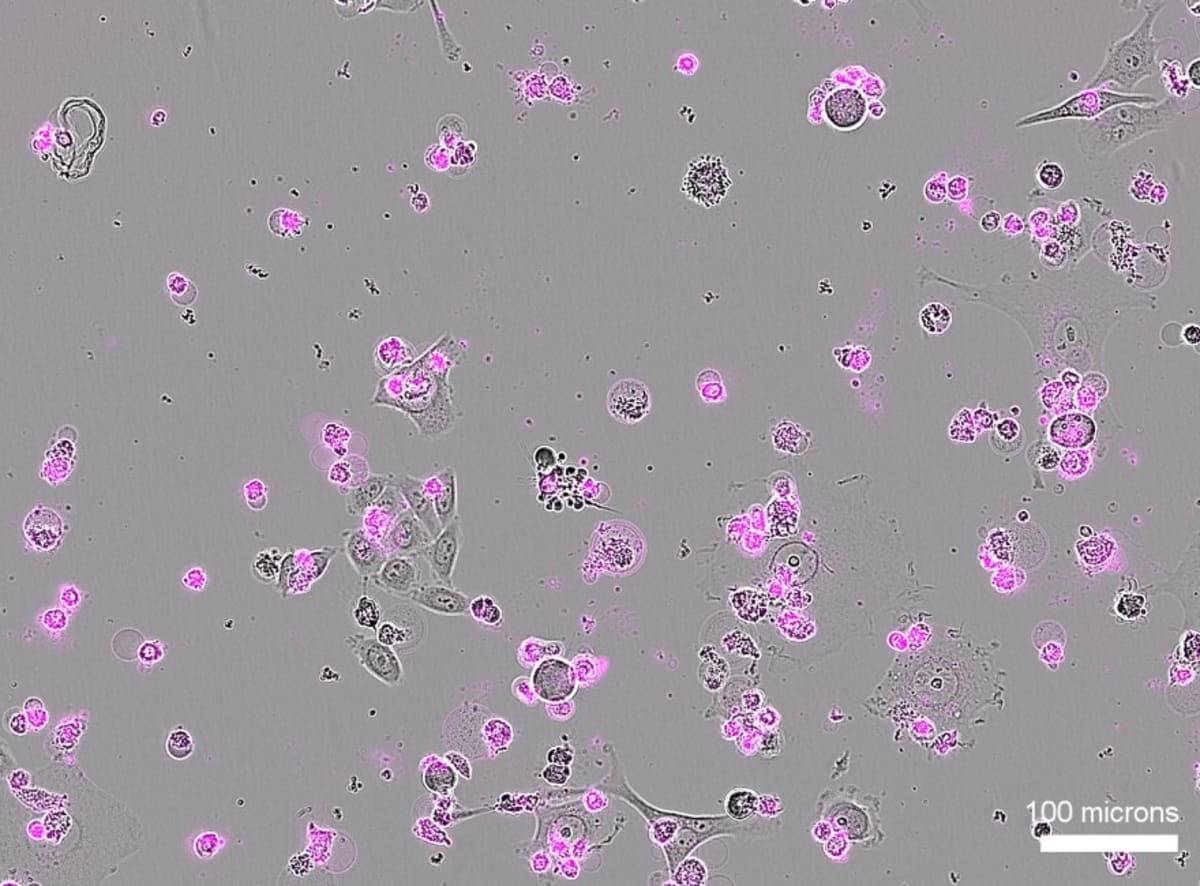
The team already tested it in mice using human cancer cells. They injected the Cas12a2 system designed to recognize cancer RNA. The results were stunning: cancerous cells died while surrounding healthy tissue stayed completely safe.
"We're not going off of what's on the outside, we're going off of what's on the inside, and what's on the inside is very different," Jackson explained. "We're going after that genetic difference that makes it cancer."
This solves one of medicine's hardest problems. Current chemotherapy kills cancer, but it also destroys healthy cells along the way, causing devastating side effects like hair loss, nausea, and immune system damage.
Why This Inspires
Jackson's reaction when he first saw the results tells you everything. "I thought I felt like I was on drugs. I was high," he said. "It was very euphoric, and my son has an autoimmune disease. It just opened up new possibilities."
His personal connection runs deep. Knowing his son lives with an autoimmune condition makes this discovery about selective cell targeting even more meaningful. The same technology that could cure cancer might one day help people with diseases where the immune system attacks healthy tissue.
The team is already working with researchers at the Huntsman Cancer Institute at University of Utah to test the technology on real patient tissue and cancer stem cells. Human trials are still years away, but the foundation is solid.
Jackson calls this discovery "a holy grail in medicine" because it can manipulate one specific thing without affecting everything else. That's the dream of every medical treatment: maximum benefit, zero collateral damage.
The best part? This incredible breakthrough came from studying the simplest organisms on Earth, proving that nature still has life-saving secrets waiting to be discovered.
More Images

Based on reporting by Google News - Cure Discovery
This story was written by BrightWire based on verified news reports.
Spread the positivity!
Share this good news with someone who needs it