Uzbekistan Plants 1.27M Hectares to Fight Desertification
Uzbekistan is turning 80% desert territory into opportunity with an ambitious plan to plant forests across 1.27 million hectares by 2030. The country has already transformed its former Aral Sea into 2 million hectares of new forest and boosted national green coverage from 8% to 14.3% in just five years.
A country where four out of five acres is desert is proving that even the harshest landscapes can bloom again.
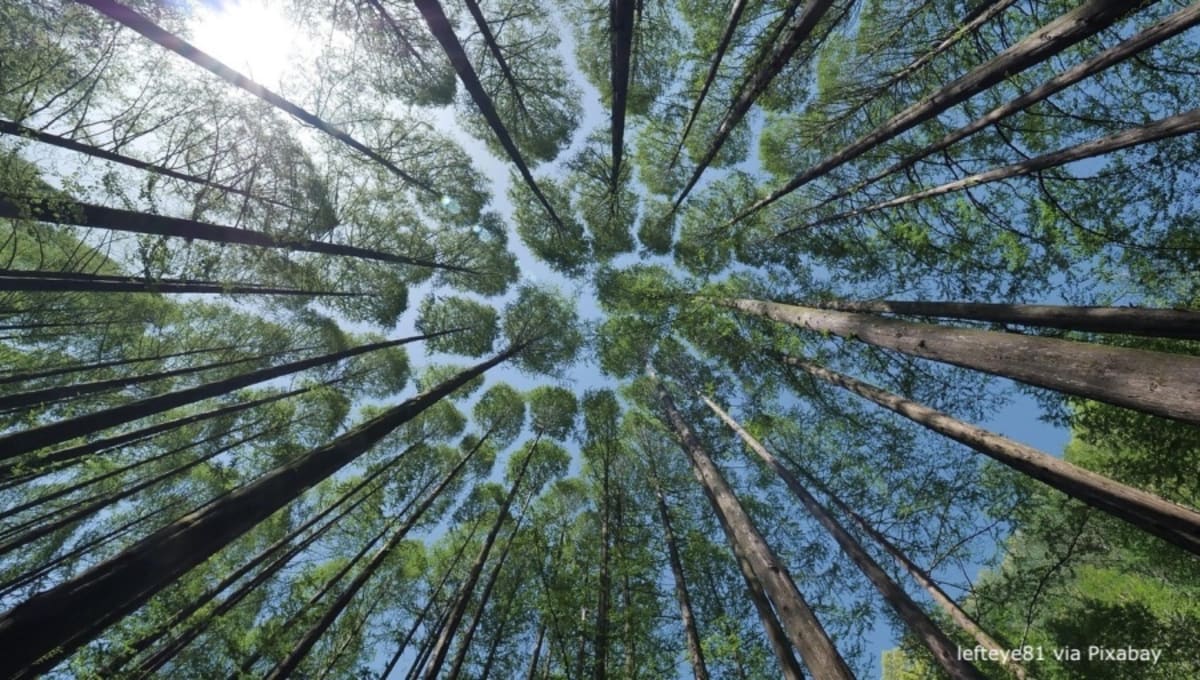
Uzbekistan just announced a massive expansion of its fight against desertification, with plans to plant or restore forests across 1.27 million hectares between now and 2030. President Shavkat Mirziyoyev approved the ambitious strategy as part of a broader vision to turn environmental challenges into economic opportunities.
The numbers tell a remarkable turnaround story. Since 2020, Uzbekistan has increased its green coverage from 8% to 14.3% through the Yashil Makon (Green Nation) program, which has planted over 1 billion trees and shrubs. The country has also established more than 2 million hectares of forest plantations on the dried seabed of the Aral Sea, one of the world's worst environmental disasters.
The new plan goes beyond just planting trees. Authorities will create 16,000 hectares of protective forest belts in desert and mountain areas, establish an 84-kilometer "green wall" along border regions, and add 10,000 hectares of new green cover in Surkhandarya region.
What makes this approach different is Uzbekistan's "desert economy" vision. Instead of viewing deserts purely as problems to solve, the government sees them as sources of growth through nurseries for desert plants, salt-tolerant crops, improved pastures for livestock, ecotourism, and scientific research.
The Ripple Effect
This green transformation is already reshaping how Central Asian nations think about their shared environmental challenges. Uzbekistan is working with neighboring countries to expand the regional Green Shield program and develop a joint strategy on desertification through 2040.
The approach is inspiring practical action beyond borders. A new Central Asian Regional Research Centre for Combating Desertification will help the entire region share knowledge about drought-resistant plants, sustainable farming, and desert restoration techniques.
Separately, the historic city of Samarkand is becoming a testing ground for climate-resilient urban living. The Green Samarkand initiative aims to cut air pollutants by 51,200 tonnes, halve harmful particulate matter, reduce vehicle emissions by 50%, and increase green space to 30% of populated areas by 2030. The city plans to purchase 50 electric buses immediately and transition all public transport to electric vehicles within five years.
Infrastructure improvements include four new artificial lakes, 319 kilometers of restored irrigation canals, and a 102.7-kilometer green belt around the city. A new 300-hectare Green City Samarkand district will showcase sustainable residential and commercial development built to international standards.
The government plans to attract international financing and private investment to support these projects, positioning the region as Central Asia's capital of green innovation.
A country once losing ground to expanding deserts is now gaining it back, one tree at a time.
Based on reporting by Google News - Reforestation
This story was written by BrightWire based on verified news reports.
Spread the positivity!
Share this good news with someone who needs it