Uzbekistan Slashes Train Times, Expands Trade Routes to Asia
Uzbekistan is transforming into a major transit hub with high-speed trains that cut journey times in half and new rail corridors connecting Europe, Asia, and South Asia. The country's green railway revolution is making trade faster while protecting the planet.
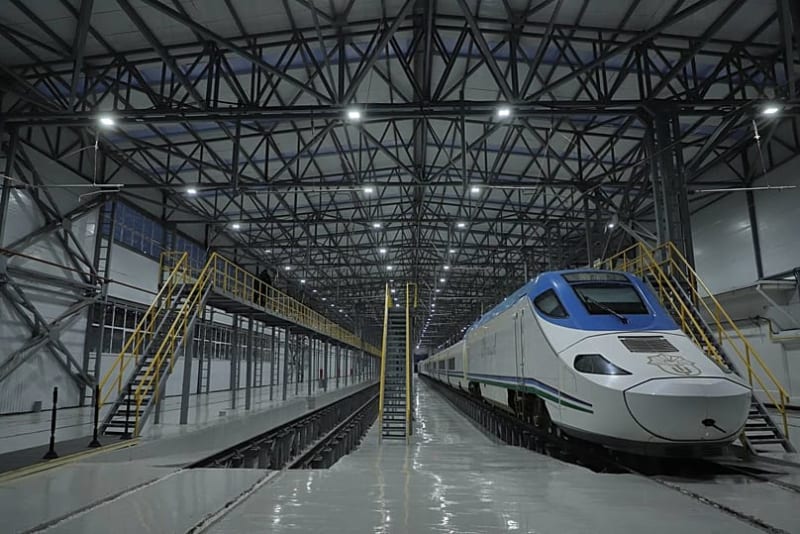
A journey that once took 14 hours across Uzbekistan will soon take just 7.5 hours, thanks to sleek new high-speed trains connecting ancient Silk Road cities to modern travelers.
Uzbekistan is rapidly expanding its railway network to become a vital bridge between continents. The country is opening new international corridors that link Europe with Asia and South Asia, creating faster routes for trade and travel.
"We are actively opening new corridors with neighboring countries and with Asia and Europe," said Jasurbek Choriyev, deputy minister of transport. The goal is to make trade faster, more efficient, and more accessible for everyone.
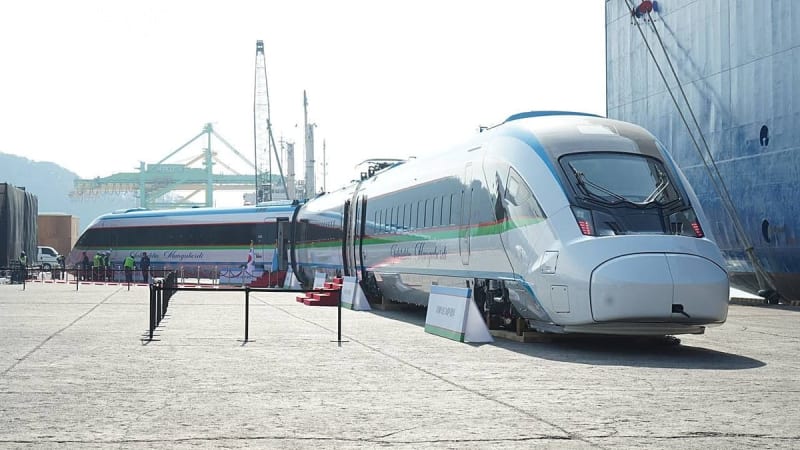
The transformation includes major upgrades to trains and tracks. Uzbekistan Railways is adding 38 new mainline locomotives from China and six high-speed electric trains from South Korea's Hyundai Rotem.
The first high-speed train will whisk passengers from Tashkent to the historic cities of Urgench and Khiva in half the time. This opens up Uzbekistan's stunning cultural treasures to more visitors while improving daily life for residents.
New rail connections now reach from the Black Sea through Central Asia to the Indian Ocean. One key route links Uzbekistan with Afghanistan and Pakistan, opening trade opportunities with South Asia.
The most ambitious project is the planned Trans-Afghan Railway, designed to create a continuous land route between Central Asia and South Asia. This historic connection could transform trade across the entire region.
Technology is making the system smarter too. Digital systems have slashed wagon ordering times from three days to just 12 hours, while train capacity in the Tashkent area has jumped by 30 percent.
The Ripple Effect
This railway revolution extends far beyond faster commutes. Over 70% of Uzbekistan's rail network already runs on electricity instead of diesel, with plans to reach 85% by 2030.
The country has invested over $17 billion in solar and wind power projects during the past eight years. These renewable energy sources power the expanding electric rail network, slashing greenhouse gas emissions.
Passenger numbers tell the story of growing confidence in the system. Nearly 30,000 people ride Uzbekistan's trains every day, and high-speed passenger volumes are expected to triple by 2026.
The railway upgrades are creating new opportunities for tourism in legendary cities like Samarkand and Bukhara. Foreign visitors are discovering these ancient Silk Road jewels more easily than ever before.
International financial institutions including the European Bank for Reconstruction and Development and the Asian Development Bank are supporting these corridor developments. Their backing shows confidence in Uzbekistan's vision.
"Our vision is to make Uzbekistan's railways a world-class system: efficient, green, and capable of meeting the needs of the economy, passengers, and international partners," said Khikmatualla Rakhmetov of Uzbekistan Railways.
A country once known mainly for cotton and natural gas is reinventing itself as a green transit powerhouse connecting three continents.
More Images



Based on reporting by Euronews
This story was written by BrightWire based on verified news reports.
Spread the positivity!
Share this good news with someone who needs it