Vancouver Activists Push to Transform Polluted Inlet
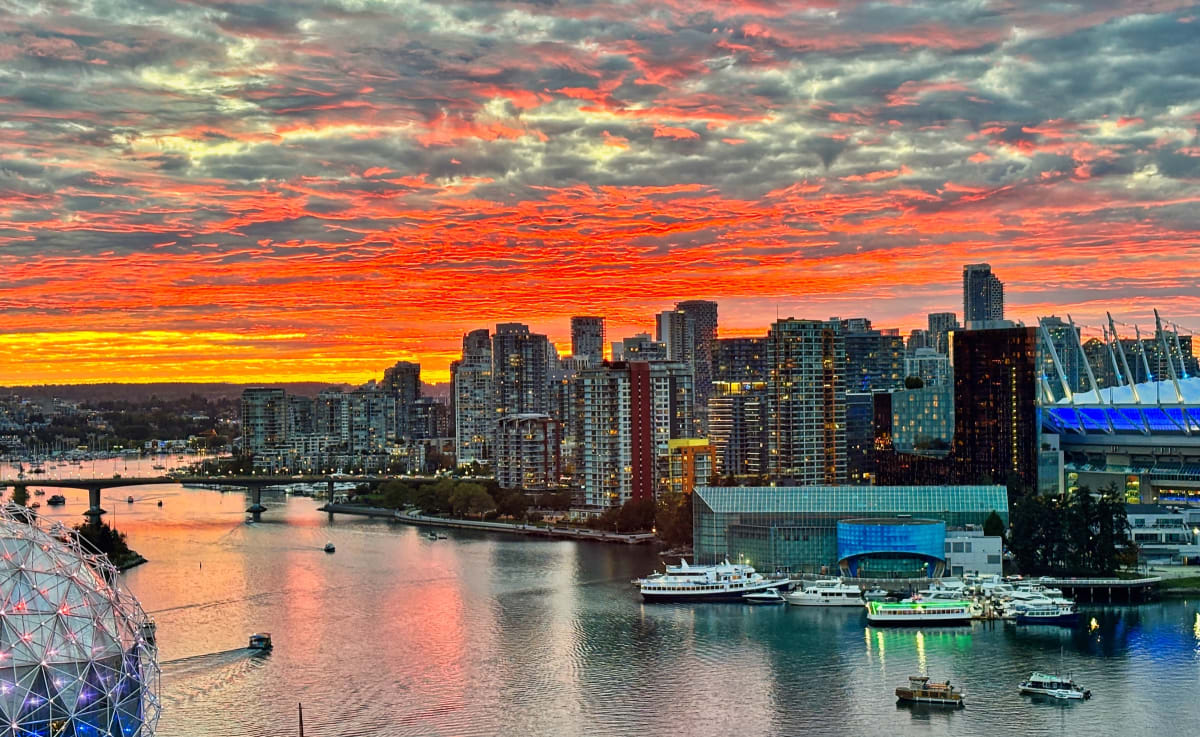
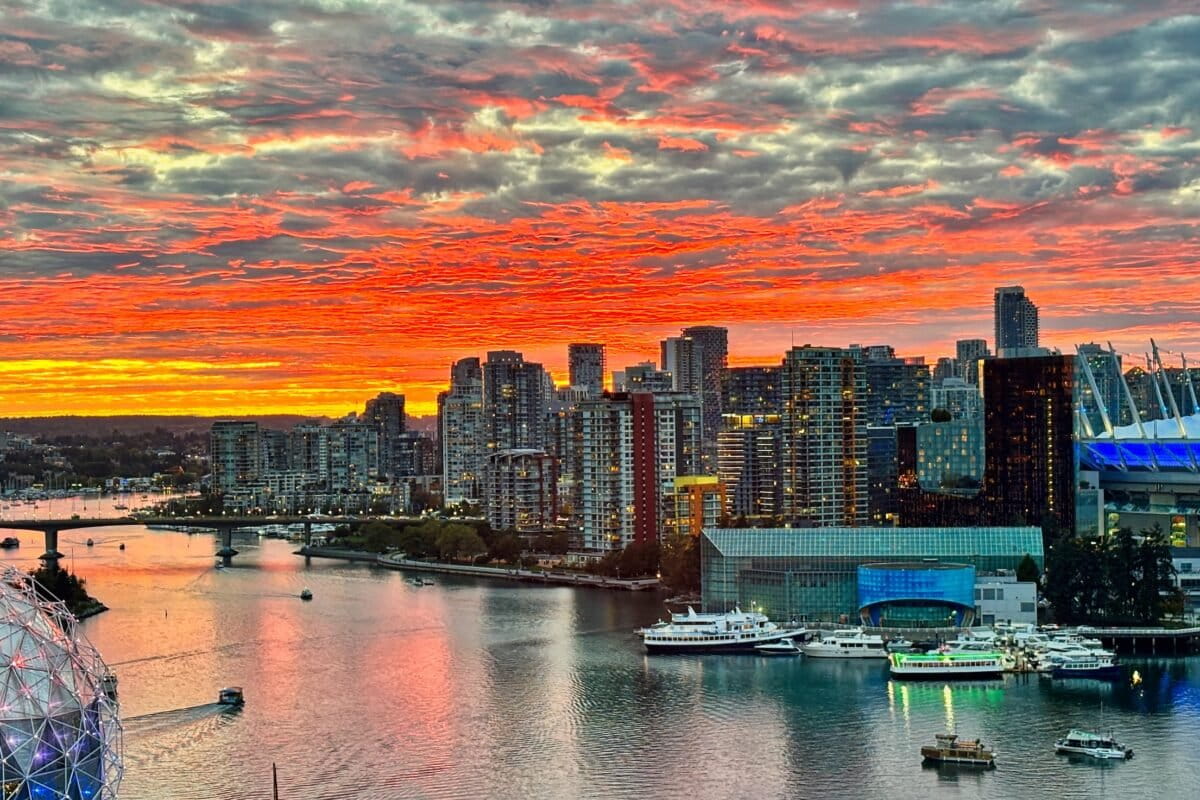
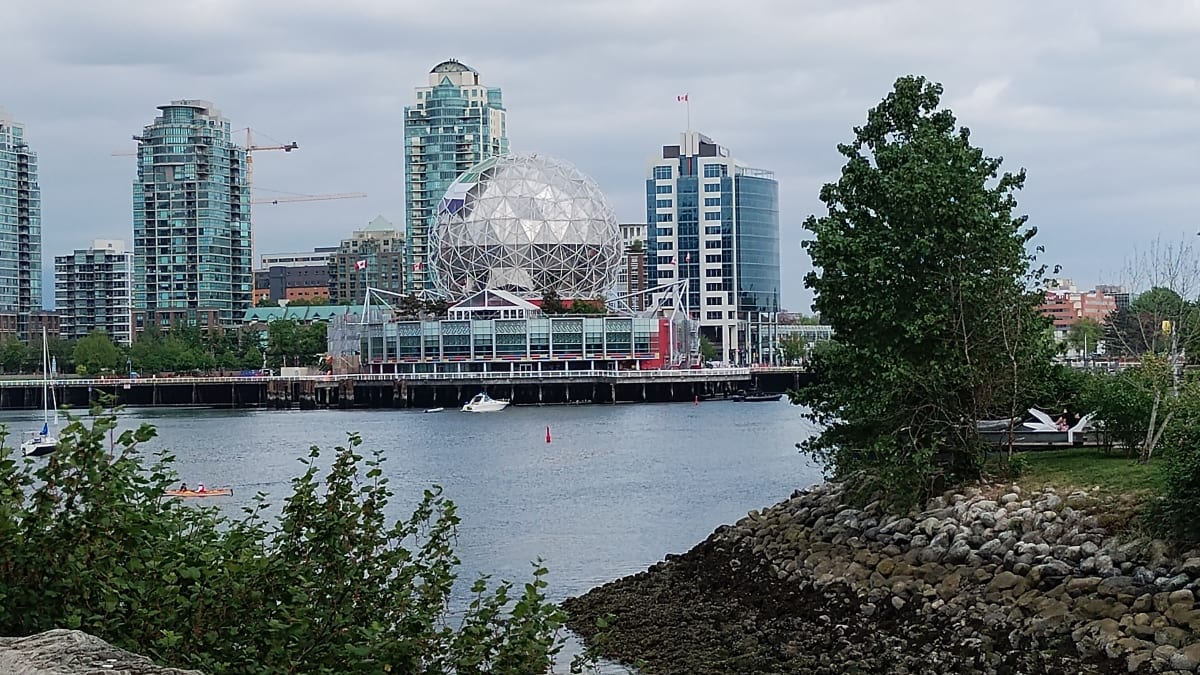
A grassroots group wants to turn Vancouver's False Creek from an industrial wasteland into Canada's first urban marine park where people can swim safely. Despite decades of pollution, scientists found over 500 species still thriving in the tidal inlet.
Two hundred years ago, Talaysay Campo's Squamish ancestors harvested clams and cockles along Vancouver's False Creek, a thriving aquaculture site teeming with octopus and sea cucumber. Today, a community group believes that abundance can return.
The False Creek Friends Society launched in 2021 with an ambitious vision: transform this 3-kilometer polluted tidal inlet cutting through downtown Vancouver into a place where nature thrives and locals can swim again. Their boldest idea is making it Canada's first national urban marine park.
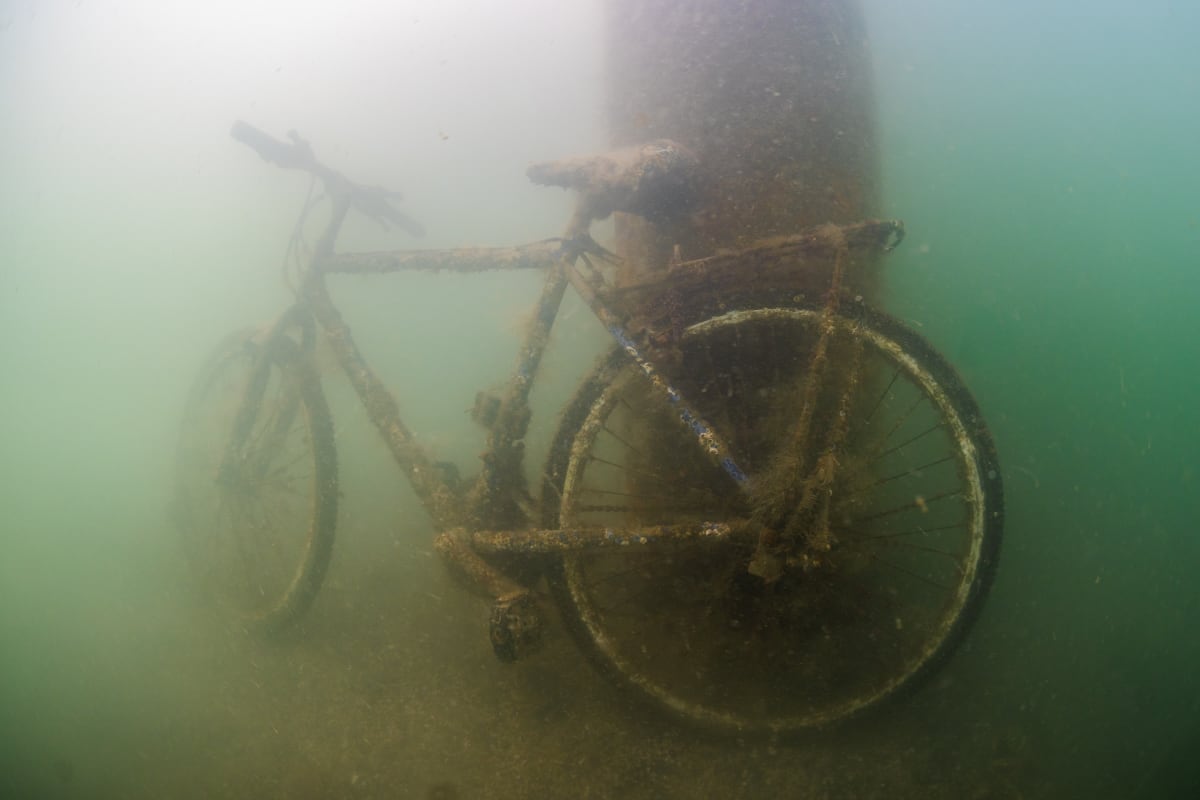
The challenge is massive. For decades, sawmills, manufacturing plants, and warehouses dumped industrial waste into the water. The inlet's contamination runs so deep that cleanup could require dredging the entire seabed or overhauling stormwater systems that still flush sewage and hydrocarbons into the water during heavy rains.
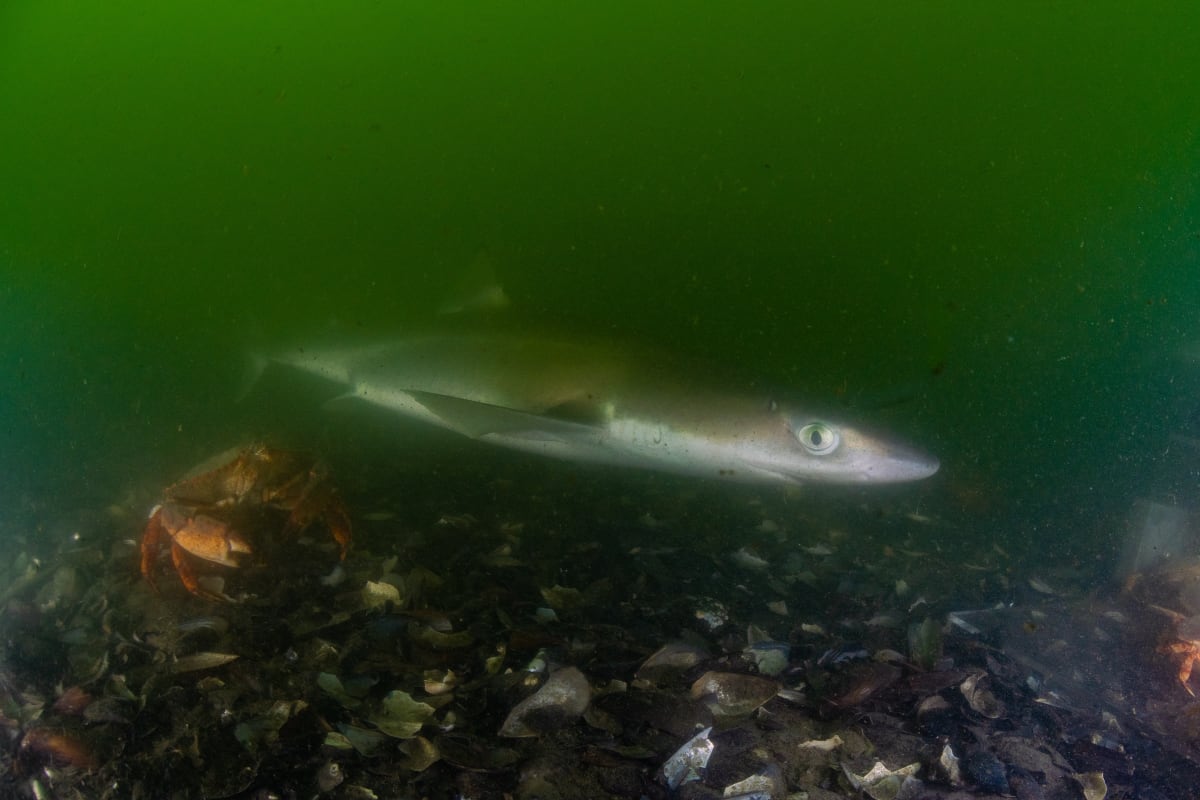
But hope arrived in 2022 when citizen scientists armed with smartphones conducted a bioblitz of False Creek. They documented over 500 species, including great blue herons, yellow shore crabs, shiner surfperches, and thriving mussel beds. Life persists even in murky, contaminated waters.
The discovery strengthened advocates' argument that False Creek deserves conservation, not continued neglect. The Raincoast Foundation will now spend two years testing water quality to determine if remediation is actually possible.
The Ripple Effect
If successful, False Creek could become a global model for urban waterway restoration. The project would help Canada meet its commitment to protect 30% of lands and waters by 2030 under the UN's biodiversity framework.
The vision faces real obstacles beyond pollution. Three levels of government share jurisdiction over the inlet, creating bureaucratic gridlock over who decides its future. Federal authorities control navigation, the province owns the seabed, and Vancouver manages shoreline infrastructure.
The False Creek Friends aren't waiting for government consensus. They're pushing surrounding communities to voice their desires for the inlet's future. Indigenous leaders like Campo, whose people stewarded these waters for millennia before colonization, are joining the conversation about who holds the right to decide.
What was once a warning to mariners about a deceptive waterway could become a beacon of what's possible when communities refuse to accept pollution as permanent. The inlet that survived industrial abuse for 200 years might yet return to abundance.
More Images
Based on reporting by Mongabay
This story was written by BrightWire based on verified news reports.
Spread the positivity!
Share this good news with someone who needs it