Vancouver Startup Makes Clean Battery Lithium With Electricity
A Vancouver company just cracked a cheaper, cleaner way to make battery-grade lithium using electricity and water instead of harsh chemicals. Their breakthrough could reshape where and how the world makes electric vehicle batteries.
Making electric vehicles run into a surprising roadblock long before they hit the road. Turning raw lithium into battery-ready material is dirty, expensive, and mostly happens an ocean away in China.
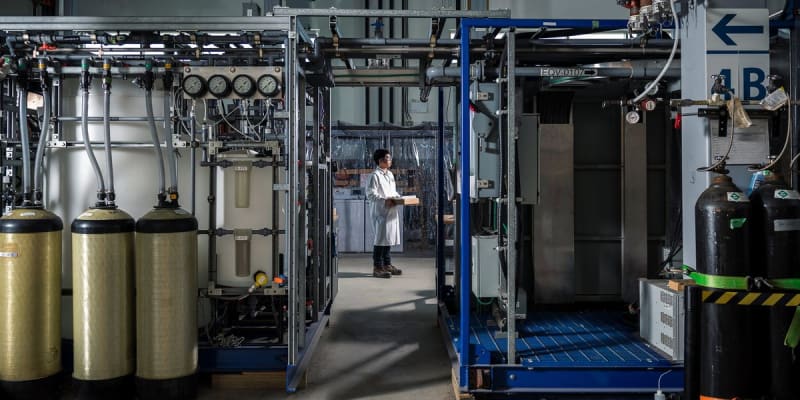
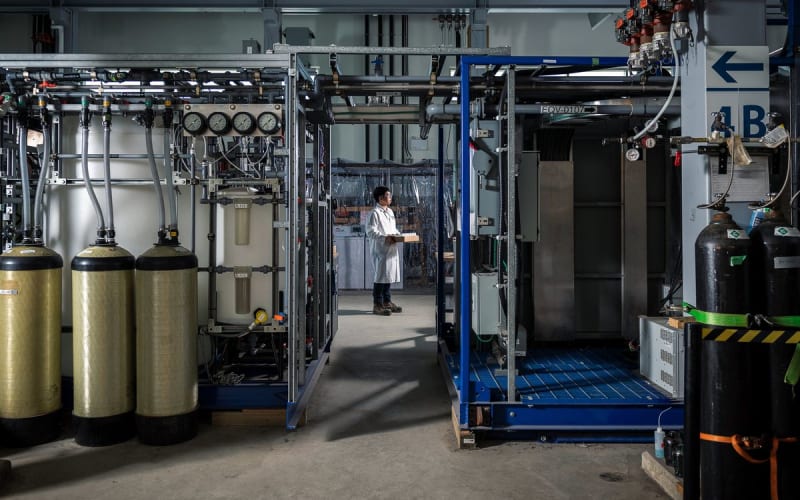
Mangrove Lithium, a Vancouver startup, just changed that equation. They've developed an electrochemical process that transforms lithium into the high-purity compounds batteries need using just electricity, water, and oxygen.
The old way of refining lithium is a mess. Companies roast minerals at scorching temperatures, drench them in acid to create lithium sulfate, then convert that into lithium hydroxide through chemical reactions that guzzle reagents and produce mountains of sodium sulfate waste.
Ryan Day, Mangrove's director of operations, explains their cleaner approach. They flow lithium brine through an electrochemical cell with three compartments separated by special membranes that only let certain particles through.
An electric field splits the lithium sulfate apart. Positively charged lithium ions drift toward one side where oxygen and water create hydroxide ions, forming lithium hydroxide. On the opposite side, sulfate ions combine with protons to make sulfuric acid, which gets recycled back into the process.
"There's no significant waste product and all you're feeding in is brine, water, oxygen, and electricity," Day says. The lithium hydroxide flows to a crystallizer, ready for batteries.
The secret sauce is Mangrove's oxygen-based cathode. Their proprietary electrode design balances water and oxygen flow precisely, favoring the right chemical reaction over 99.5 percent of the time while using less voltage than traditional methods.
The Ripple Effect
This breakthrough arrives as the world races to build electric vehicles and massive grid batteries. Right now, 60 to 70 percent of lithium refining happens in China, creating supply chain headaches and adding carbon emissions from overseas shipping.
Mangrove's demo plant in British Columbia will start producing 1,000 tons of lithium hydroxide per year in late 2026. The Canadian government just invested up to $65 million in the project, betting on local battery supply chains.
The technology could stretch beyond lithium too. Day says their electrochemical system would work immediately for other battery metals like nickel and cobalt, which face similar refining bottlenecks and generate significant waste through old-school chemical processes.
Battery makers need ultra-pure compounds, and refining capacity is becoming the critical choke point in the electric vehicle revolution. A cleaner, more distributed way to produce these materials could reshape not just battery economics, but the geography of the entire energy transition.
One Vancouver startup just proved that making batteries cleaner can start long before the first cell gets assembled.
More Images
Based on reporting by IEEE Spectrum
This story was written by BrightWire based on verified news reports.
Spread the positivity!
Share this good news with someone who needs it