Varanasi Man Turns River Waste Into Jobs for 250 Women
Millions of pilgrims leave clothes at Varanasi's holy ghats each year, creating mountains of fabric waste along the Ganga. One man transformed this pollution into eco-friendly bags while creating dignified work for hundreds of rural women.
After taking a holy dip in the Ganga River, pilgrims leave behind their old clothes as offerings at Varanasi's ghats. But these sacred traditions created an unsacred problem: kilos of abandoned fabric piling up on riverbanks and in landfills.
Most people saw trash. Divyanshu Upadhyay saw opportunity.
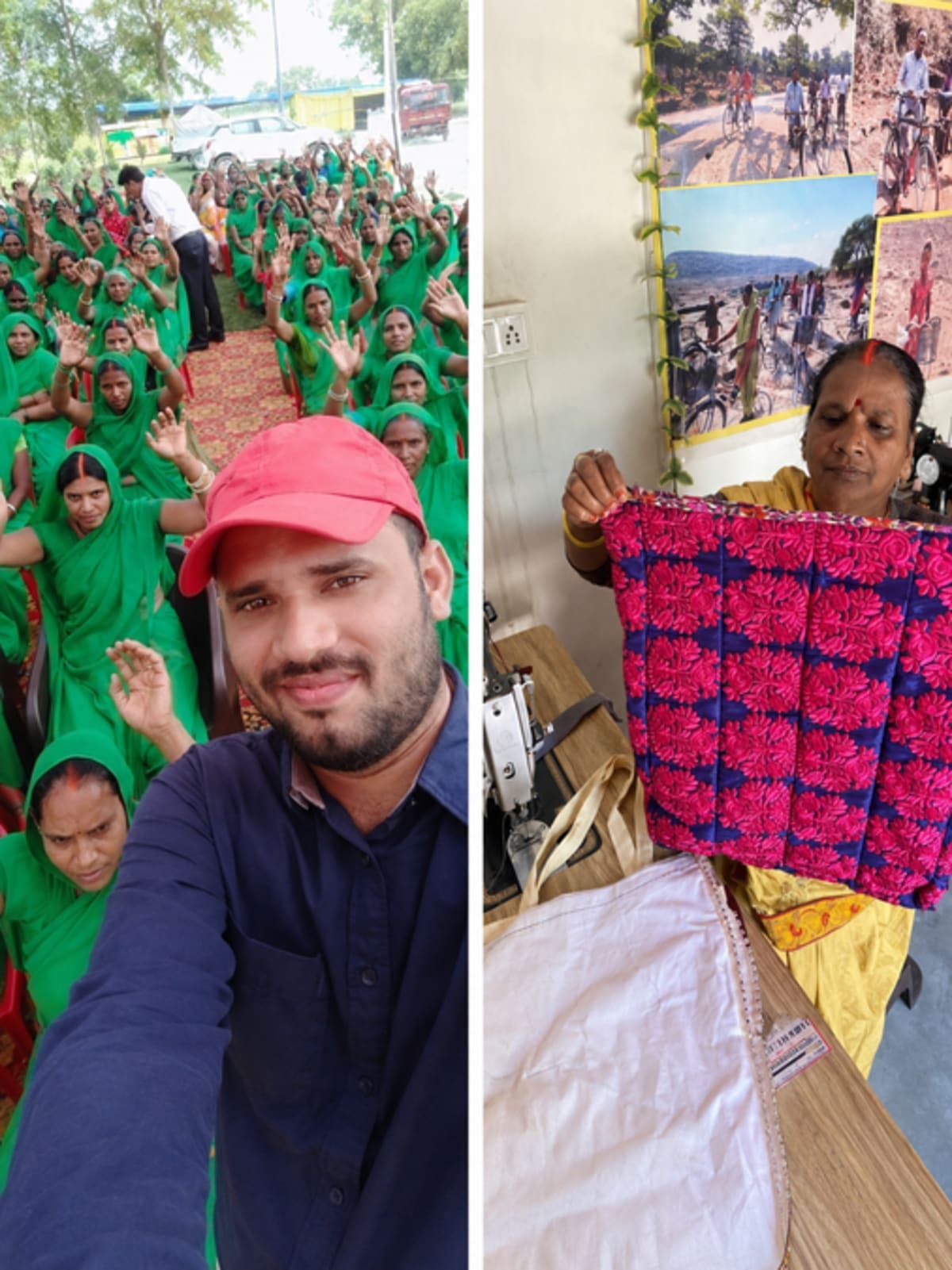
Through his NGO Hope Welfare Trust, Divyanshu started collecting the discarded clothes left behind at the ghats. His team cleaned and sorted the fabric, giving it a second life as something useful.
At local production centers, the repurposed material gets transformed into eco-friendly bags, school kits, and blankets. This simple idea created paid work for 250 rural women who now earn between Rs 6,000 and Rs 18,000 per month (roughly $70 to $210).
The project tackles multiple problems at once. It reduces waste along one of India's holiest rivers while cutting down on plastic pollution in a country that generates 9.3 million tonnes of plastic waste annually.
But Divyanshu didn't stop at production. His team runs awareness campaigns encouraging local sellers to switch from plastic bags to the cloth alternatives made by these women.
The Ripple Effect
The impact reaches far beyond cleaner riverbanks. These 250 women aren't just earning money; they're gaining voices in their households and communities as decision-makers and breadwinners.
The transformation from discarded offerings to dignified employment shows what happens when someone looks at a problem through the lens of possibility. What was once river pollution now funds school fees, household expenses, and dreams.
Divyanshu's model proves that environmental solutions and economic empowerment don't have to be separate goals. When you design with both in mind, everyone wins: the river gets cleaner, women gain financial independence, and communities build sustainable alternatives to plastic.
From sacred offerings to second chances, this is sustainability that uplifts everyone it touches.
Based on reporting by The Better India
This story was written by BrightWire based on verified news reports.
Spread the positivity!
Share this good news with someone who needs it