VCU DNA Project Honors 53 Stolen Bodies From 1800s Well
New genetic analysis at Virginia Commonwealth University has revealed the ancestral origins and physical characteristics of 53 people—including nine children—whose bodies were stolen from African American burial grounds in the 1800s. The breakthrough brings researchers closer to potentially connecting descendants with their ancestors and ensuring proper memorial and burial.
Scientists at Virginia Commonwealth University have given names and faces back to people who were robbed of dignity nearly 200 years ago.
Last month, researchers completed DNA analysis on human remains discovered in 1994 during construction on VCU's medical campus. The 53 individuals, primarily of African descent, were found in an underground well where they'd been hidden after grave robbers stole their bodies from Richmond's African American burial grounds between 1848 and 1860.
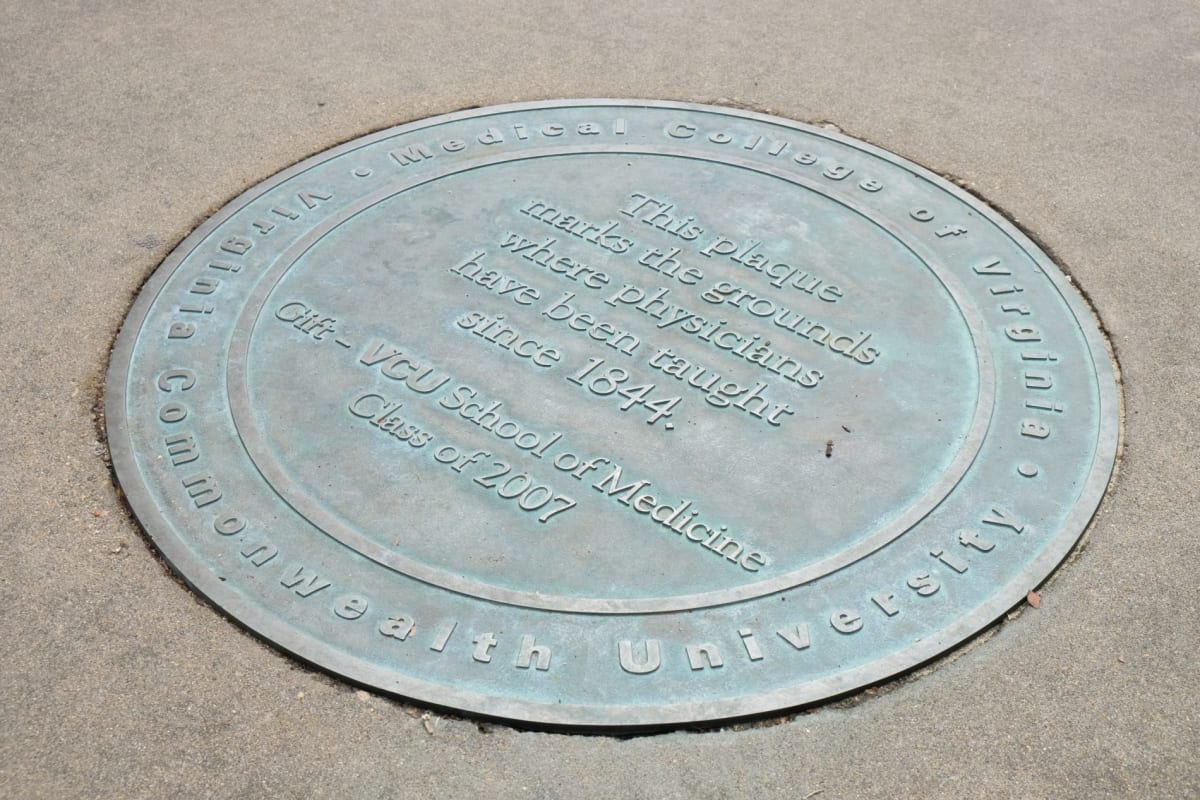
The bodies were used for medical training at what is now VCU School of Medicine. Faculty commonly raided Black cemeteries to obtain cadavers for study, a practice that was widespread but devastating to families and communities.
Now, the genetic analysis has revealed ancestral information and physical descriptions for most of the victims. Researchers successfully reassociated the remains of 33 individuals and identified details about their growth, development, and physical characteristics.
Ambassador Kandeh Free Bangura, founder of Untold RVA, sees enormous potential in the project. She believes connecting the DNA to broader databases could help living descendants find their ancestors, understand migration patterns, and restore family histories that were violently disrupted.
"It could be a huge opportunity to allow people to understand the migration patterns and what happened to their ancestors, place them within the context of who they belong to," Bangura said. She works with VCU's medical school teaching first year students about cultural humility and respecting both living patients and the deceased.
The Ripple Effect
The East Marshall Street Well Project represents more than scientific discovery. It's part of VCU's broader effort to address its historic ties to slavery and honor the people who built Richmond's infrastructure as enslaved laborers.
Richmond was once the center of the American slave trade, and the city's foundation rests on that painful history. By studying these remains respectfully and planning proper memorials, VCU is helping ensure these individuals are finally honored.
Stephanie Rizzi, director of Project Gabriel, says some community members and family representatives believe it's time to inter the remains and create a lasting memorial. The project was created in 2023 to address the university's connection to slavery and ensure appropriate study, memorialization, and reburial.
Stephen Davenport, a planning committee member, emphasizes the importance of elevating local voices, conducting responsible research, and engaging with the community throughout the process.
After being stolen from their graves and hidden in darkness for over a century, these 53 souls are finally being seen, honored, and prepared for the dignity of a proper burial.
Based on reporting by Google News - Researchers Find
This story was written by BrightWire based on verified news reports.
Spread the positivity!
Share this good news with someone who needs it

%2Fhttps%3A%2F%2Ftf-cmsv2-smithsonianmag-media.s3.amazonaws.com%2Ffiler_public%2F34%2Fe8%2F34e8ec6a-e29c-44fc-bd4b-046753d01071%2Fupdated_illustration_marohn-scaled.jpg)