Vermont Startup Takes Solar Tech to Space
A solar panel company is ditching rooftops for rockets after discovering a massive new market among satellites and orbital data centers. Their lightweight panels could power everything from megaconstellations to lunar bases.
Verde Technologies just made a surprising pivot that could change how we power space.
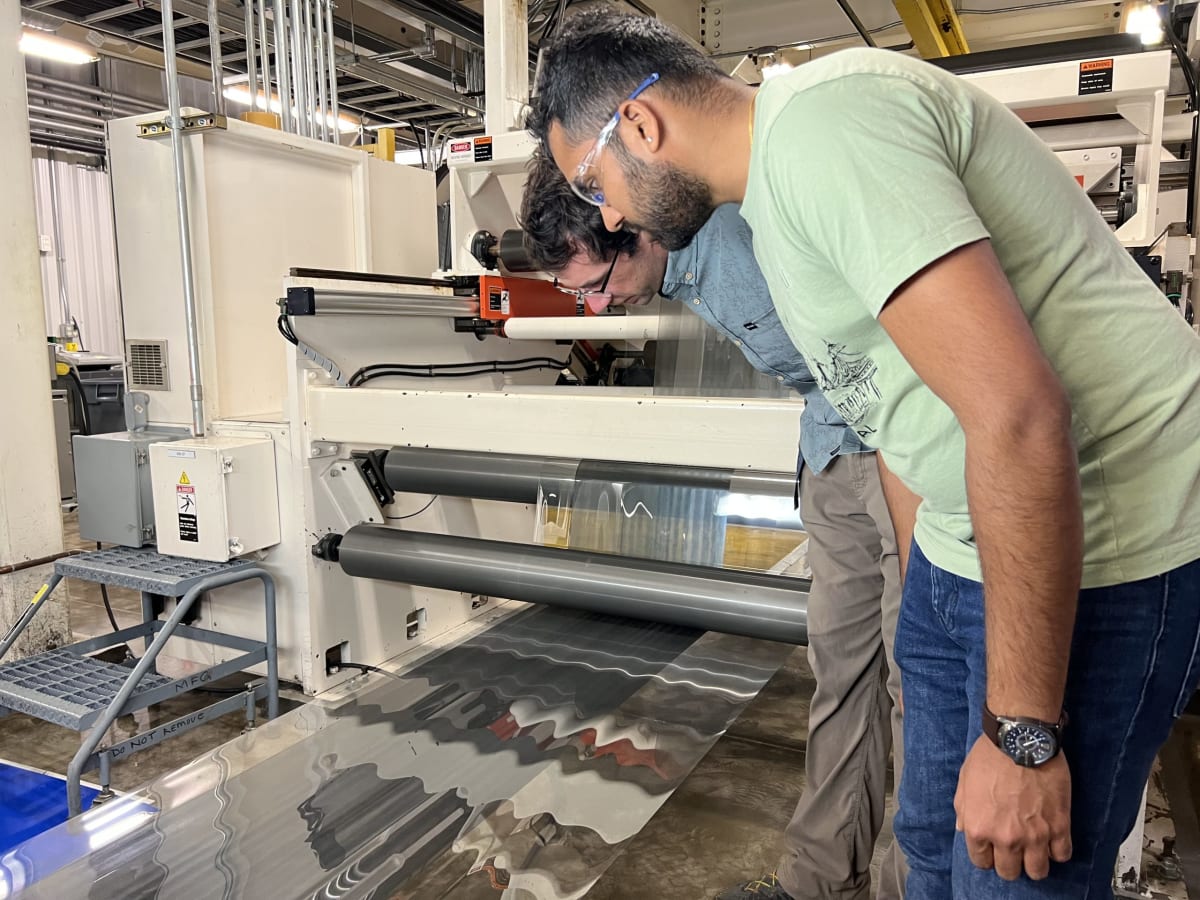
The Burlington, Vermont startup spent three years perfecting ultra-light, flexible solar panels for Earth. They completed successful trials on commercial rooftops and won Defense Department funding. But now they're aiming much higher.
The company is shifting focus to space after realizing the satellite industry needs exactly what they've built. Their perovskite-based panels weigh far less than traditional solar technology and can bend to fit curved spacecraft surfaces.
Former Honeywell executive Jean-Noël Poirier joins as CEO in July to lead the space push. Cofounder Chad Miller will shift to chief technology officer to focus on the technical challenges ahead.
The timing makes sense. SpaceX's Starlink demonstrated that massive satellite constellations work, and now dozens of companies want to launch their own networks. Others are planning orbital data centers and lunar bases that will need reliable power.
Verde's technology solves a key problem for these ambitious projects. Traditional space solar panels use expensive gallium arsenide materials that add significant weight to spacecraft. Verde's panels deliver 50 times better power per pound than silicon alternatives at a fraction of the cost.
The space environment actually plays to perovskite's strengths. While rooftop panels need to last 30 years, many satellites only operate for five years. The material also handles radiation better than silicon, staying efficient even after exposure to harsh cosmic rays.
The Ripple Effect
Verde's shift reveals an unexpected environmental benefit of space infrastructure. By moving power-hungry data centers into orbit, we could reduce pressure on Earth's resources.
Ground-based data centers consume enormous amounts of water for cooling and strain local power grids. Space-based versions eliminate these problems entirely. Constant sunlight in certain orbits means no batteries needed, saving raw materials and manufacturing emissions.
The company already has customer projects underway after completing an undisclosed funding round earlier this year. Investment came from venture funds and industry veterans including Steve Bolze, former CEO of what's now GE Vernova.
Chief Commercial Officer Skylar Bagdon says Verde expects space to become a major business segment within five years. Long term, he sees space and terrestrial applications growing together as the company scales production.
The breakthrough suggests clean energy innovation doesn't have to choose between Earth and space. Sometimes solving problems in orbit helps solve them down here too.
More Images


Based on reporting by SpaceNews
This story was written by BrightWire based on verified news reports.
Spread the positivity!
Share this good news with someone who needs it