US Proposes Quiet Supersonic Flights Over Cities Again
After 53 years, the FAA wants to lift the ban on supersonic flights over America if planes can fly quietly enough. New technology could bring back faster-than-sound travel without the disruptive sonic booms of the past.
The thunder of supersonic jets could return to American skies, but this time you might barely notice them passing overhead.
The Federal Aviation Administration just proposed ending a ban on supersonic flights over US cities that's been in place since 1973. The new rule would allow planes to break the sound barrier over land, but only if they can keep their sonic booms quieter than a soft rumble.
The original ban came after military tests in the 1960s rattled windows and nerves in cities like Oklahoma City and Chicago. Those tests convinced regulators that supersonic flight and populated areas didn't mix.
Now technology has changed the game. Colorado startup Boom Supersonic has shown its XB-1 aircraft can fly just past the speed of sound while keeping shockwaves from reaching the ground at all. By flying at specific altitudes and speeds, the plane's sound waves bend upward into the atmosphere instead of downward toward people's homes.
The proposed rule sets a limit of 0.11 pounds per square foot of pressure at ground level. For context, the famous Concorde jet that flew from 1976 to 2003 created booms 18 times more powerful than that threshold.
NASA is testing another approach with its X-59 aircraft, which has a special needle-nose design that turns booms into gentle thumps. The space agency says their plane sounds like a car door closing 20 feet away. They're planning flights over US towns to see how people actually react to the noise.
The change could slash cross-country flight times dramatically. Imagine getting from New York to Los Angeles in under three hours instead of six.
The Ripple Effect
Beyond convenience, the push for quieter supersonic flight has sparked innovation in aircraft design and atmospheric science. The technology being developed could influence how all planes are built in the future, making air travel quieter for everyone.
Congress is backing the change too, with the House already passing legislation supporting quiet supersonic flights. The bill now awaits a Senate vote.
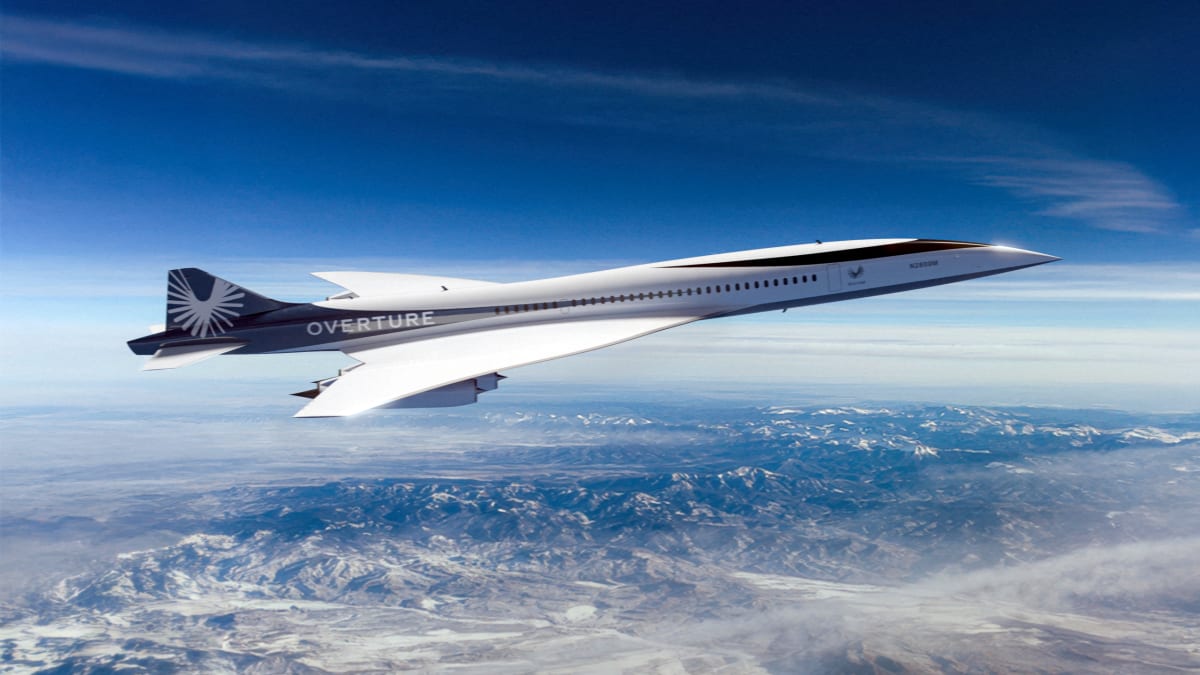
Airlines are paying attention. American Airlines, Japan Airlines, and United Airlines have all signed agreements to potentially buy Boom's upcoming Overture supersonic airliner, which the company aims to deliver by 2029.
The FAA plans to finalize these noise rules by mid-2027 and will propose separate standards for takeoff and landing sounds later this year. They're leaving room to adjust based on feedback and further testing.
Not everyone thinks the proposed standards go far enough. Some experts argue the pressure metric doesn't accurately measure how annoying the sound actually is to human ears. The FAA has time to refine the rules based on NASA's community feedback studies.
Success isn't guaranteed. The Concorde struggled financially despite cutting Atlantic crossings from seven hours to three, largely due to massive fuel costs. Modern supersonic planes will need to solve that challenge while staying quiet.
The sky might soon sound very different, proving that sometimes progress means moving faster while making less noise.
More Images



Based on reporting by Ars Technica
This story was written by BrightWire based on verified news reports.
Spread the positivity!
Share this good news with someone who needs it