Vermont Volunteers Map Butterflies for Conservation
Volunteers across Vermont are teaming up with scientists to create the state's second butterfly atlas, tracking how species have changed over 20 years. Their citizen science work is helping shape future conservation efforts while connecting communities to nature.
Volunteers armed with butterfly nets are fanning out across Vermont to help scientists answer a simple question: How are the state's butterflies doing after two decades?
The Vermont Center for Ecostudies is partnering with citizen naturalists to create the state's second butterfly atlas, mapping species and their health across 184 survey blocks. The project marks the first time Vermont has repeated this comprehensive butterfly census, making it likely the first state in the country to undertake a second atlas.
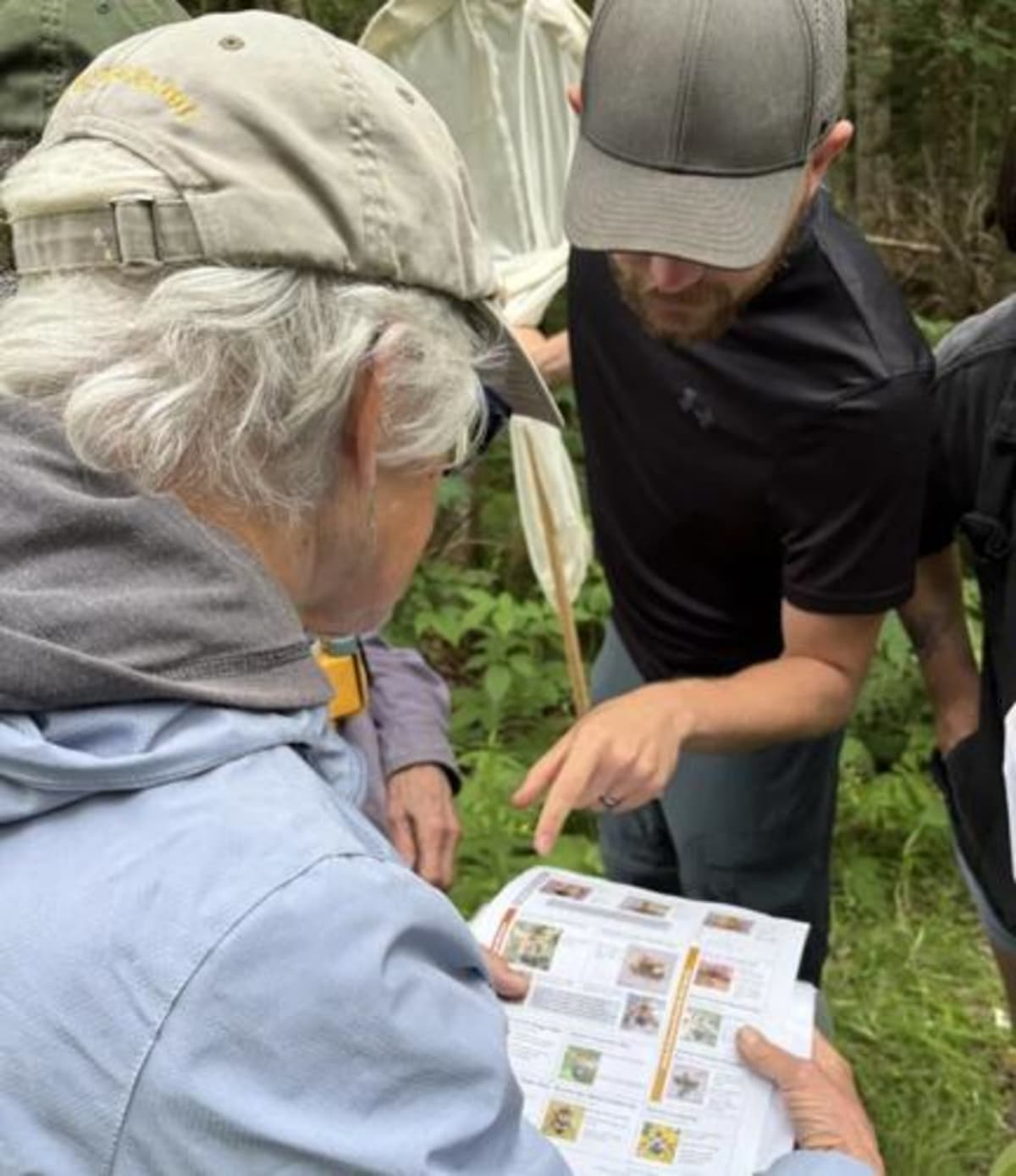
During organized "butterfly blitzes," volunteers and scientists spend hours searching 3-square-mile plots for butterflies in their favorite hangouts, like milkweed patches. Once spotted, the race begins to identify the species before it flutters away. After recording the sighting, each butterfly goes free.
The work isn't always glamorous. At one July blitz in Greensboro, a dozen volunteers braved chilly, misty weather and came up empty—butterflies prefer temps between 65 and 85 degrees. But community science coordinator Dana Williams saw value in the effort itself, noting that participating helps people understand real science and builds environmental stewardship.
The data collected reveals crucial trends that inform Vermont's Wildlife Action Plan, the state's blueprint for conservation. Kent McFarland, project director and co-founder of the ecostudies center, says comparing data from 2002-2007 to current surveys will show which species are thriving and which are struggling. For instance, the Milbert's tortoiseshell butterfly has already seen its Northeast population decline more than 96% over the past 20 years.
The Ripple Effect
The volunteer network is cutting data collection time in half while strengthening Vermont's butterfly-watching community. McFarland says the state is "blessed" to have so many people eager to help.
Staff biologist Amber Jones says volunteers don't need to wait for organized events. Anyone can "adopt" a priority block near their home and upload butterfly photos through apps like iNaturalist and eButterfly for expert verification. The data helps scientists protect species before they disappear.
Jones's advice for new butterfly watchers couldn't be simpler: "A lot of it really is just looking. That sounds really simple, but it's truly just taking the time to actually look."
Vermont's butterflies now have hundreds of eyes watching out for them, turning backyards into laboratories and neighbors into scientists working together to protect the natural world around them.
More Images


Based on reporting by Google: volunteers help
This story was written by BrightWire based on verified news reports.
Spread the positivity!
Share this good news with someone who needs it