Vertical Solar Panels Beat Traditional Ones in UK Study
Scientists just proved that standing solar panels upright instead of tilting them can generate more clean energy in cloudy Britain. The breakthrough could transform how homes and buildings capture solar power in northern climates.
A year-long study at the University of York has confirmed what sounds counterintuitive: solar panels standing straight up can outperform traditional tilted panels in the UK's famously cloudy weather.
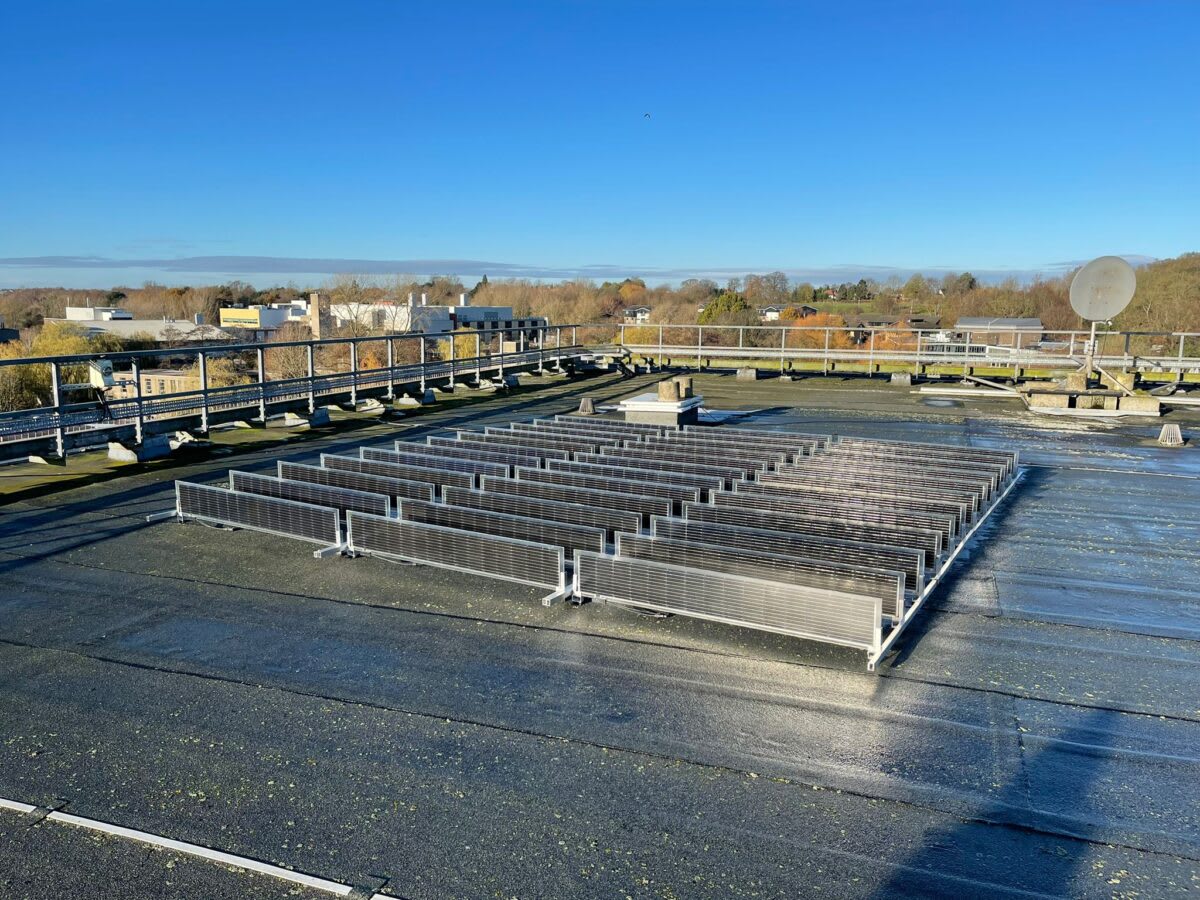
Researchers tested a vertical bifacial solar system from Over Easy Solar on the university's physics tower throughout 2023. These panels capture sunlight on both their front and back sides, with white gravel underneath bouncing extra light onto the rear surface.
The results surprised even the experts. The vertical system produced over 26% more energy during morning hours and nearly 23% more during evening hours compared to traditional tilted panels.
Here's why that matters: those morning and evening peaks align perfectly with when families actually need power most. People are cooking breakfast, heating homes, charging electric vehicles, and running appliances right when these vertical panels hit their stride.
Keelin Currivan from Over Easy Solar explained that traditional panels peak at midday when the grid is often saturated and electricity prices drop. The vertical design shifts production to high-demand, high-price hours instead.
The performance gap widened dramatically in winter, when Britain needs energy most. The vertical bifacial system generated 24.52% more power than tilted panels during winter months, compared to 14.77% more in summer.
The secret lies in Britain's low winter sun angle and frequent diffused light. Vertical panels catch those low rays more effectively than angled ones, while the bifacial design squeezes extra energy from reflections that traditional setups simply waste.
On May 7, the system's best day, the vertical panels produced nearly 4.92 kilowatt-hours of electricity, about 25% more than the tilted system across the entire day.
The higher upfront cost hasn't deterred interest. At roughly $1,630 per kilowatt installed versus $900 for traditional systems, the vertical panels cost more initially but pay back faster thanks to higher yields during expensive winter months.
Currivan estimates the increased output delivers an extra $2,000 annually in savings for typical UK households. The system also showed remarkable wind resistance at speeds up to 60 miles per hour, making it ideal for Britain's blustery coastal regions.
The Ripple Effect
This isn't just about individual rooftops generating more power. By shifting solar production to match when people actually need electricity, vertical panels could ease grid congestion and reduce the need for expensive battery storage systems.
The architectural benefits matter too. Vertical panels integrate more naturally into building designs and maximize limited rooftop space in crowded cities. Over Easy Solar has already begun expanding into UK and Irish markets based on these findings.
The research proves that solar technology designed for Norway's snowy conditions works brilliantly in milder but cloudier British weather, opening new possibilities for clean energy across northern Europe.
Clean energy just got smarter for millions living under gray skies.
More Images
Based on reporting by PV Magazine
This story was written by BrightWire based on verified news reports.
Spread the positivity!
Share this good news with someone who needs it