Vibrating Quantum Chips Store Data Like Guitar Strings
Scientists at ETH Zurich just cracked a major barrier in quantum computing by storing data as tiny vibrations instead of electromagnetic signals. The breakthrough could make quantum computers smaller, more powerful, and finally practical for everyday use.
Scientists just figured out how to store quantum data by making computer chips vibrate like guitar strings, and it could change everything about how we build the computers of tomorrow.
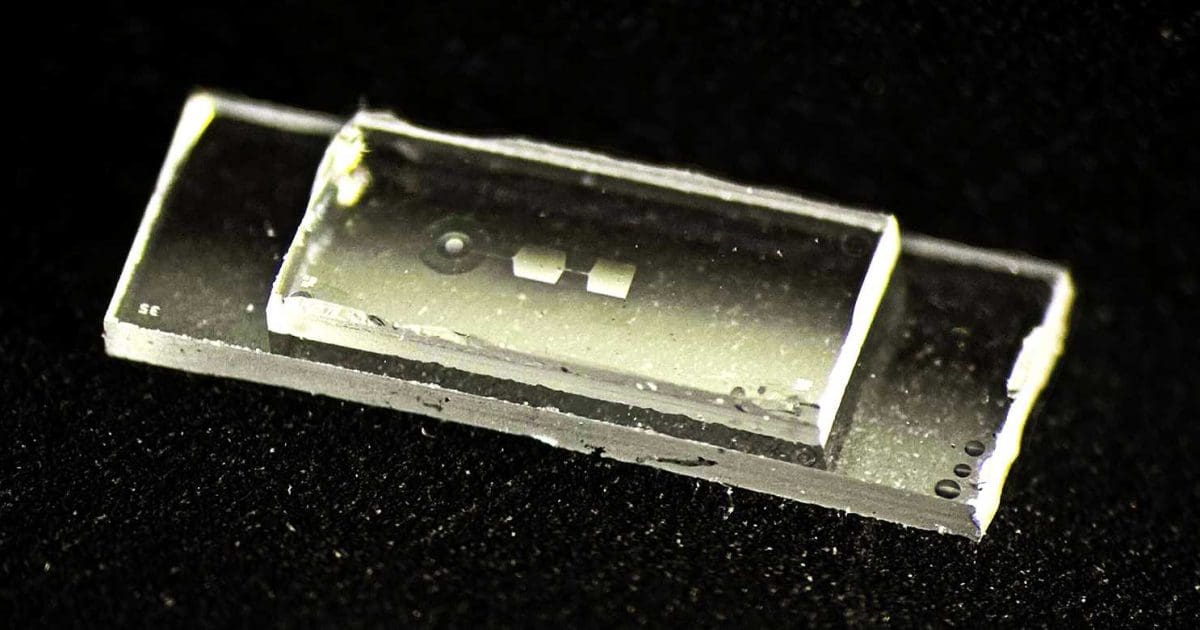
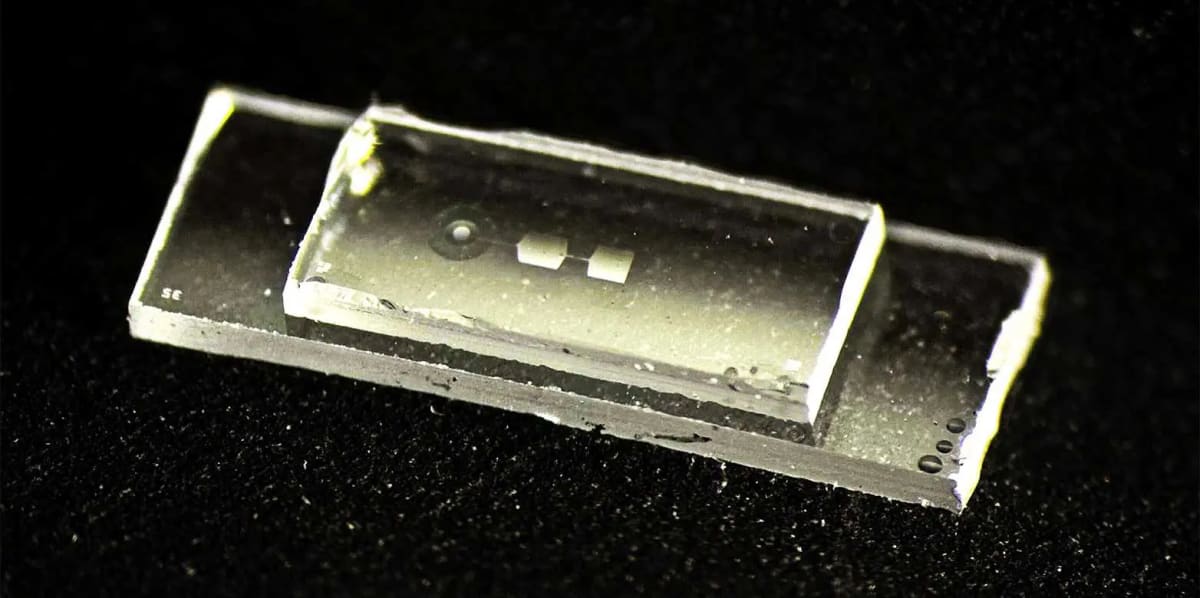
Researchers at ETH Zurich have created the first quantum computer that stores information as mechanical vibrations instead of electromagnetic signals. Professor Yiwen Chu and her team attached tiny vibrating components called mechanical resonators to superconducting qubits, creating a system that works more like your laptop than traditional quantum computers.
The innovation solves one of quantum computing's biggest headaches: cramming enough memory into a small space. These vibrating resonators are significantly smaller and more compact than electromagnetic memory, meaning scientists can pack more computing power into less space.
Here's the clever part. Just like a guitar string vibrates in different patterns to create different musical notes, these quantum resonators vibrate in multiple modes, with each mode representing a different memory slot. The difference is that these vibrations follow quantum mechanical rules, allowing them to exist in multiple states simultaneously, something impossible in classical physics.
The team deliberately designed their system to mirror how your regular computer works, separating the processor from the memory. The superconducting qubit acts like a CPU while the vibrating resonators serve as working memory. This separation makes the whole system more efficient and easier to scale up.
Why This Inspires
The mechanical resonators offer a double win. They not only take up less space but also hold onto quantum information longer than electromagnetic systems, reducing data loss. That's crucial for building quantum computers reliable enough for real world applications.
To prove their system works, Chu's team successfully ran both basic operations and advanced calculations, including the quantum Fourier transform and period finding algorithms. Doctoral student Igor Kladarić notes these tests demonstrate the system can theoretically perform any quantum computation, not just simple tasks.
"The interaction between the quantum processor and the quantum memory provides a crucial foundation for establishing quantum computers as a powerful and reliable way to perform computations that are not feasible with conventional computers," Chu explains.
Their findings, published in the journal Science, represent a fundamental shift in how we might build the quantum computers that could one day solve problems in medicine, climate science, and cryptography that today's supercomputers can't touch.
The future of computing might just be learning to play a very tiny, very quantum tune.
More Images
Based on reporting by Google News - Researchers Find
This story was written by BrightWire based on verified news reports.
Spread the positivity!
Share this good news with someone who needs it