Victoria Funds $2.25M for Safer Childhood Cancer Treatments
Four Victorian researchers just received $2.25 million to develop cancer treatments designed specifically for children's bodies, not adults'. The breakthrough could spare kids from lifelong side effects like infertility and memory loss.
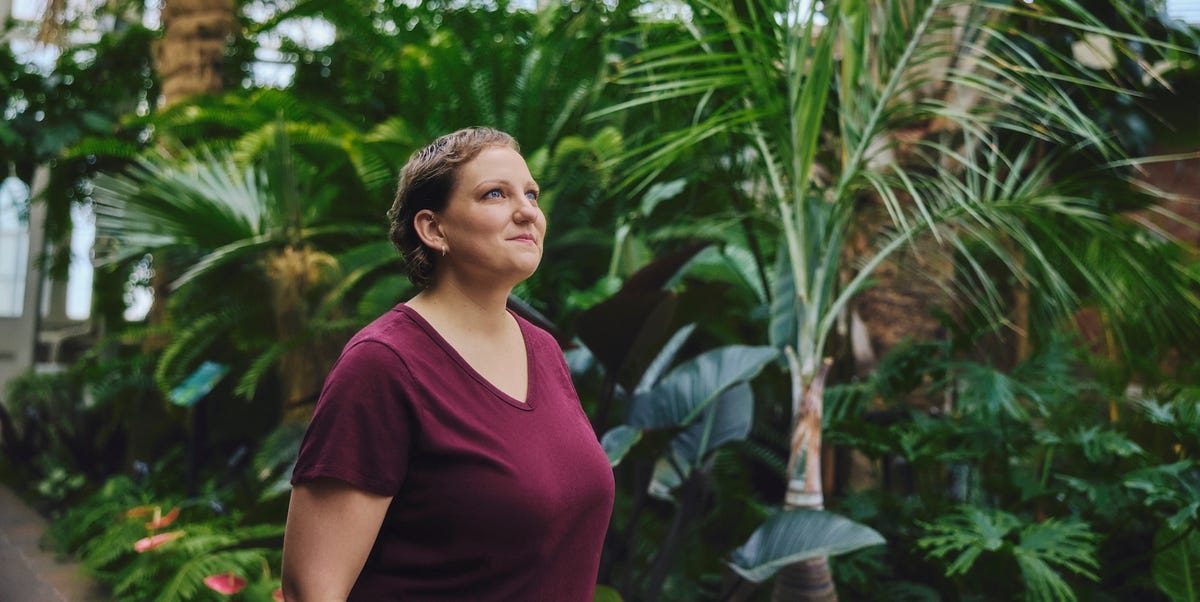
Lucy Fay Francazio was 11 when chemotherapy saved her life, but years later she learned it might have cost her the chance to have children. Now she's celebrating research funding that could spare other kids from that heartbreaking tradeoff.
The Victorian government just announced $2.25 million for four groundbreaking research projects through the Children's Cancer CoLab's Transformative Therapies Impact Program. Each project tackles a different challenge in making childhood cancer treatment safer and more effective.
Professor Vihandha Wickramasinghe from the Walter and Eliza Hall Institute will develop mRNA therapies that could one day let kids take cancer treatment at home instead of in hospitals. Professor Lee Wong at Monash University is working on ways to slow aggressive brain tumors called high-grade gliomas.
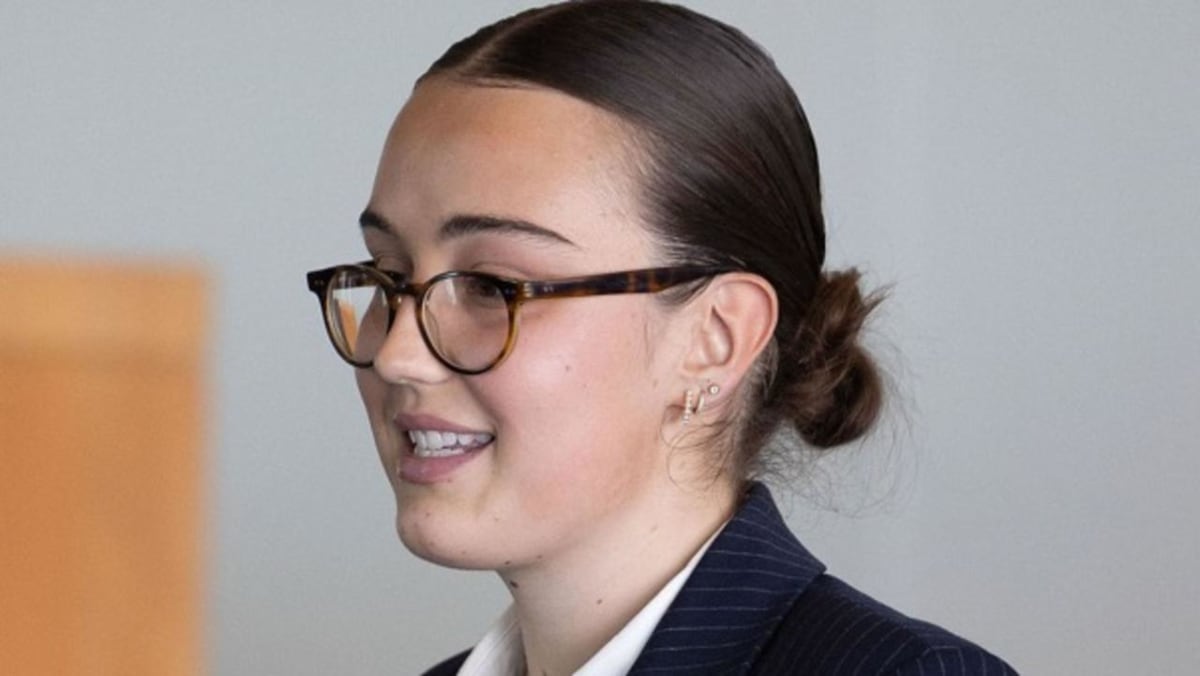
Dr. Deborah Meyran at Peter MacCallum Cancer Centre is investigating a new drug that helps children's immune systems fight tumors naturally. Professor Paul Monagle from the University of Melbourne is finding ways to reduce dangerous blood clots during leukemia treatment.
The projects share one crucial goal: creating treatments designed for children's growing bodies instead of adapting adult medications. Dr. Udani Reets, CEO of Children's Cancer CoLab, says too many Australian children receive therapies that weren't built for their unique needs.
Fay Francazio knows this reality intimately. At 21, she still battles neuropathy and "chemo brain," permanent memory problems from her childhood treatment. When she was just 16, her oncologist suggested freezing her eggs because the lifesaving chemotherapy might have damaged her fertility.
Why This Inspires
This isn't just research funding. It's a recognition that children deserve cancer treatments designed for the lives they're just beginning, not the decades adults have already lived.
Fay Francazio isn't bitter about her side effects. She's hopeful that sharing her story will accelerate treatments that don't force kids to choose between survival today and quality of life tomorrow.
These four research projects represent a shift in how we think about childhood cancer care. Scientists are finally asking not just "Will this save lives?" but "What kind of life will children have after we save them?"
The research spans from new drug development to smarter ways of using existing treatments. Each approach aims to reduce the lasting damage that can affect survivors for decades.
For every child who won't have to worry about fertility at 16, or struggle with permanent memory loss, or live with nerve damage, this funding represents hope made tangible. Science is finally catching up to what young survivors have always deserved: treatments built for their futures.
More Images



Based on reporting by Google News - Australia Breakthrough
This story was written by BrightWire based on verified news reports.
Spread the positivity!
Share this good news with someone who needs it