Video Gamers Power 110-MW Texas Solar Farm
Thousands of video game players just helped finance a massive solar project in Texas through a groundbreaking subscription model. The arrangement shows clean energy deals aren't just for tech giants anymore.
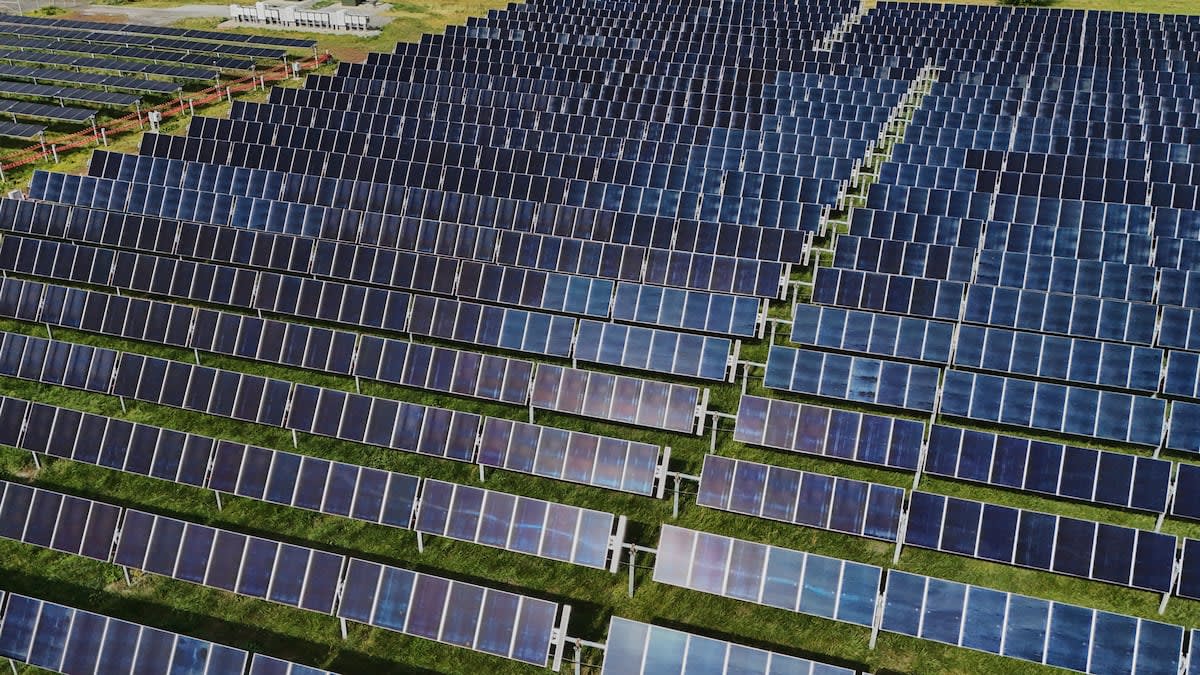
Players of NBA 2K26 and PGA Tour 2K25 just became unlikely heroes in the fight against climate change, helping power up a 110-megawatt solar farm south of Dallas.
The ThreeW solar project in Hill County, Texas, recently started generating enough clean electricity to offset 125 million hours of gaming each year. That's significant because modern gaming consoles and the cloud data centers running online games consume serious power.
Here's where it gets interesting. SuperPower, a California company, created a subscription service that let individual gamers back a virtual power purchase agreement for the project. Thousands signed up voluntarily, collectively claiming 10 megawatts of the facility's total capacity.
Traditional clean energy deals require deep pockets. Companies like Microsoft and Meta routinely buy hundreds of megawatts of solar or wind capacity all by themselves. Smaller buyers get left out.
Seattle-based Ever.green changed that equation by "fractionalizing" the deal into bite-sized pieces. They structured the ThreeW arrangement so individual gamers could participate alongside bigger buyers, each taking whatever amount made sense for them.
The model works because it solves real problems for solar developers. Virtual power purchase agreements shift energy price risk from project owners to buyers, providing predictable revenue upfront. In Texas's volatile energy market, that financial certainty helps projects get built.
The Ripple Effect
The gaming industry's energy footprint has grown massive as millions play online daily. But that same scale means collective action can drive real change.
Ever.green has already applied this fractionalized approach elsewhere. They helped nearly double capacity at a West Texas wind farm, with some buyers committing to as little as 1,000 megawatt-hours annually. They've structured deals for a Wells Fargo-backed solar farm in South Carolina and helped a West Virginia school district go solar.
The ThreeW facility will produce 280,000 megawatt-hours of clean electricity each year. That's enough to power tens of thousands of homes while cutting carbon emissions.
Cris Eugster, Ever.green's founder and former Texas utility executive, sees this as just the beginning. Most companies don't need hundreds of megawatts of capacity, but they do want to support clean energy. Fractionalized deals give them that option.
The approach also helps developers adapt to fast-changing markets. Texas has added nearly 30 gigawatt-hours of battery storage recently, which has dampened price volatility but complicated project economics. With contracted revenue secured upfront, developers gain flexibility to phase their projects smartly.
The gaming community just proved that climate action doesn't require being a tech giant or Fortune 500 company—just a willingness to be part of the solution.
More Images

Based on reporting by Google News - Clean Energy
This story was written by BrightWire based on verified news reports.
Spread the positivity!
Share this good news with someone who needs it