Vietnam and Philippines Rise to Upper-Middle Income Status
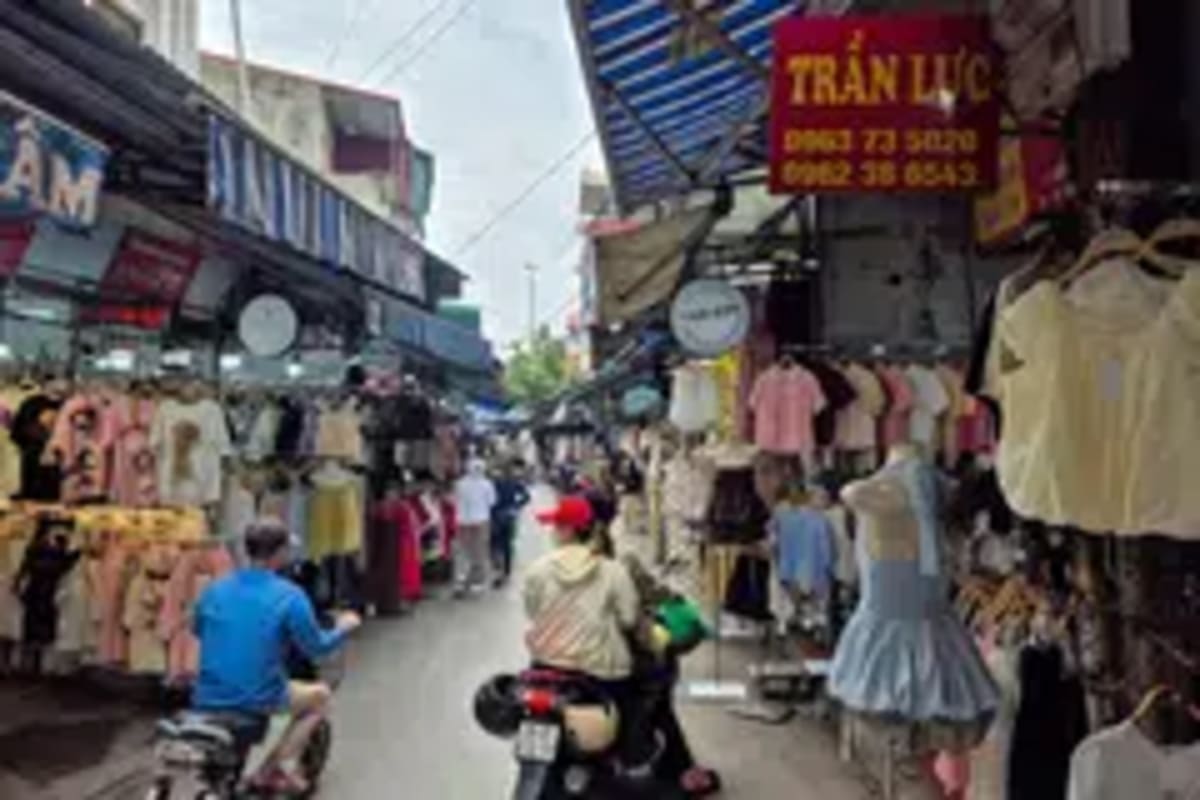
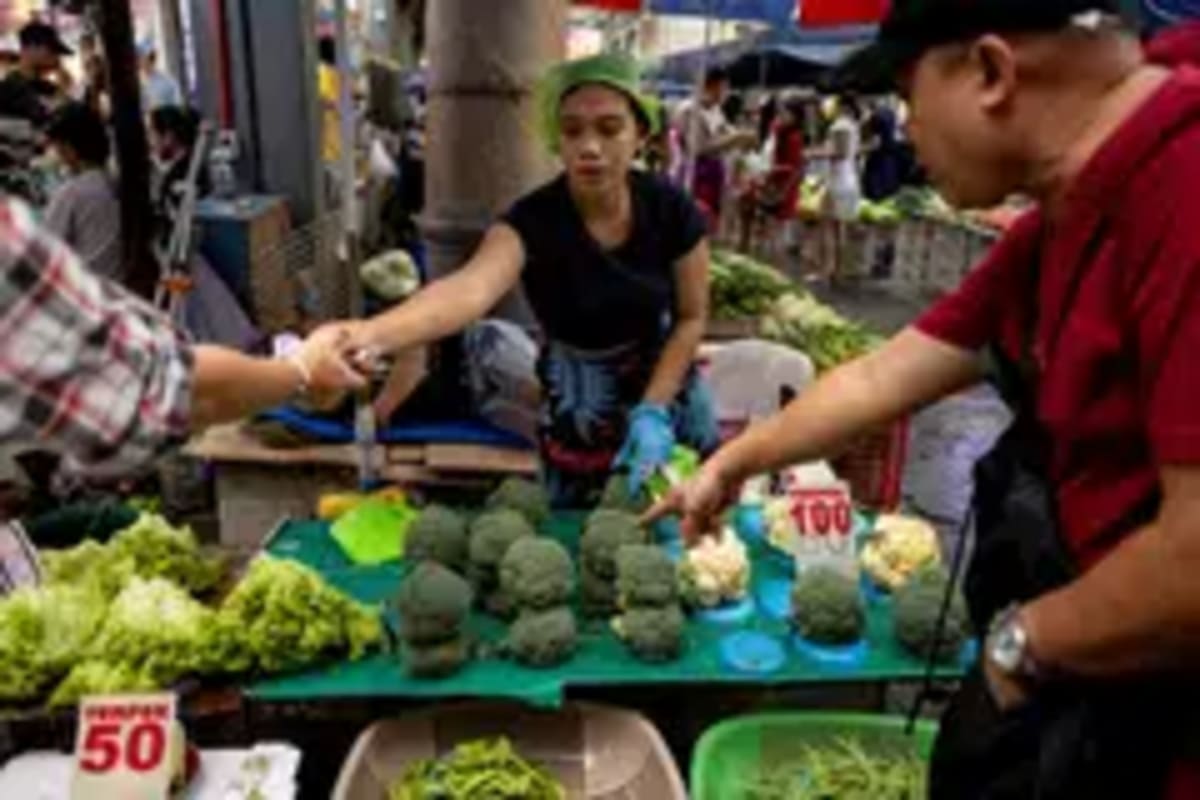
Two Southeast Asian nations just climbed the economic ladder after decades of steady growth. The World Bank's new classification puts Vietnam and the Philippines alongside the region's most prosperous economies.
Vietnam and the Philippines just achieved a major economic milestone that took decades of determined progress to reach.
The World Bank elevated both nations to upper-middle income status on July 1, 2026, recognizing years of sustained economic expansion. Vietnam reached a gross national income per capita of $4,970 in 2025, while the Philippines hit $4,850, both surpassing the $4,636 threshold needed for the upgrade.
Vietnam had been classified as lower-middle income since 2009. The Philippines earned that same classification back in the late 1980s, making this promotion an especially long-awaited achievement.
The announcement means all five major Southeast Asian economies now rank at upper-middle income or higher, joining Singapore, Malaysia, and Thailand. It's a remarkable transformation for a region that has worked steadily to lift millions out of poverty.
Vietnam's success comes from its export-driven economic model, while the Philippines showed strength across all major industries. "Despite global and domestic shocks, we have relentlessly pursued inclusive growth, strengthened fundamentals, and remained on track with our development agenda," said Philippine Economic Planning Secretary Arsenio Balisacan.
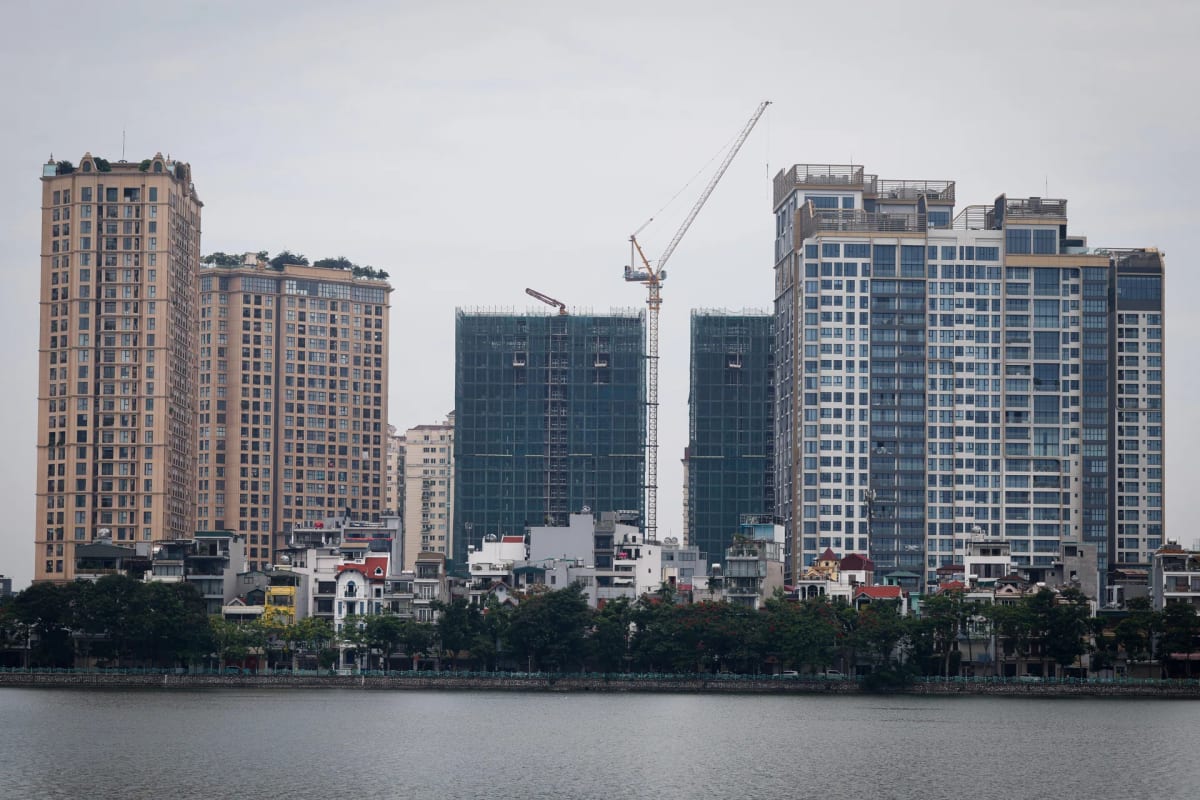
Vietnam is now targeting double-digit annual growth in 2026, powered by business-friendly reforms and massive infrastructure investments. One of Asia's fastest-growing economies, the nation continues to attract international investors seeking stable, growing markets.
The Ripple Effect
This reclassification signals stronger fundamentals that could unlock new investment opportunities. While upper-middle income nations receive less concessional development aid, they gain something more valuable: proof of economic resilience that attracts private investment and trade partnerships.
The upgrade affects more than just these two countries. Jordan, Micronesia, Sri Lanka, and Togo also moved up classifications, showing that economic progress remains possible even during global uncertainty.
Philippine economist Ruben Carlo Asuncion explained the silver lining: "The more you go up the ladder of their classification, the more you are self-sufficient and able to supply your own needs and resources as a nation."
Both governments acknowledge challenges remain, with income inequality and poverty still affecting many citizens. But this milestone proves that consistent economic policies and broad-based growth can transform entire nations over time.
The World Bank notes that only 11 percent of economies now classify as low income, down from 30 percent in 1987, showing steady global progress toward prosperity.
More Images

Based on reporting by Google News - Vietnam Growth
This story was written by BrightWire based on verified news reports.
Spread the positivity!
Share this good news with someone who needs it