Vietnam Brewery Grows 50% While Cutting Water and Energy Use
Carlsberg's largest Asian brewery in Vietnam just proved industrial growth doesn't require environmental cost. The expanded facility produces more beer while using 20% less water and 15% less energy than before.
A brewery in Vietnam just cracked the code on growing bigger while leaving a smaller environmental footprint.
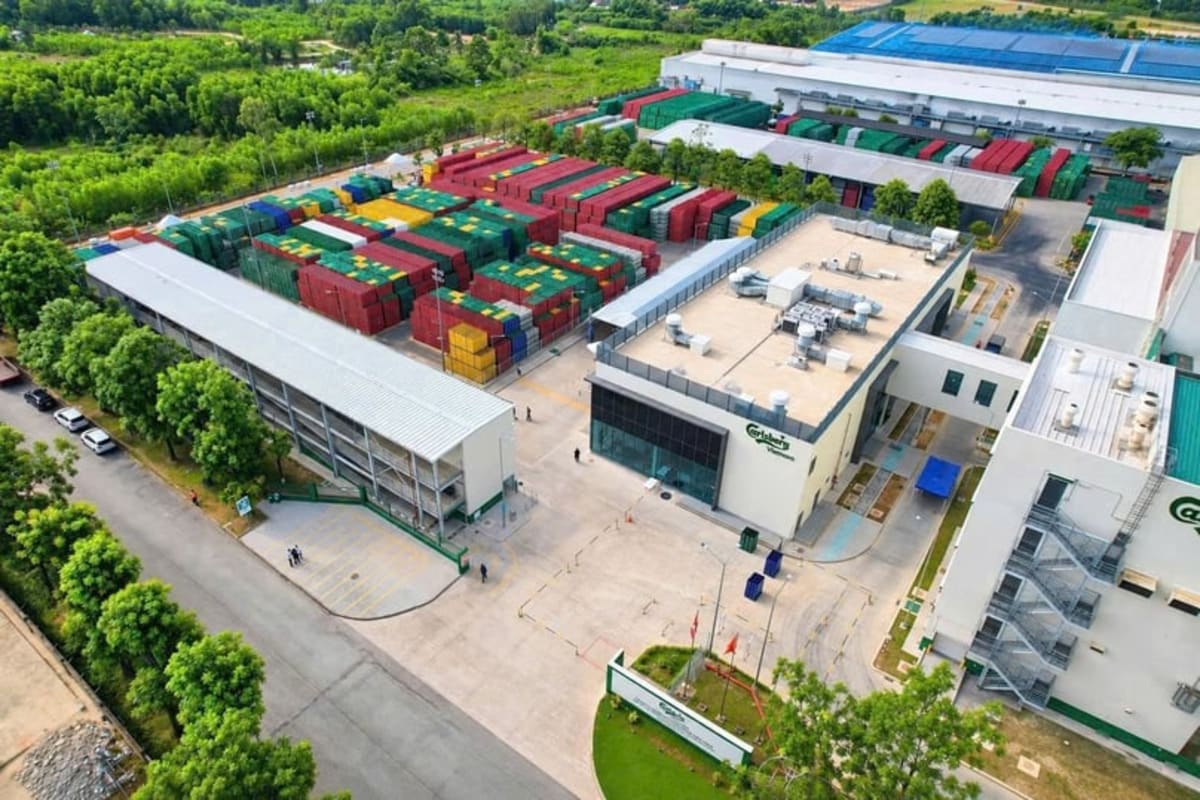
Carlsberg Vietnam's Phu Bai Brewery in Hue recently completed a $90 million expansion that boosted its production capacity by more than 50%. The surprise? Its new brewing line uses 20% less water and 15% less energy per unit than the equipment it replaced.
The facility now stands as Carlsberg's largest beer production site in Asia. Yet it consumes just 2.1 hectoliters of water per hectoliter of beer produced, making it one of the company's most water-efficient breweries across the continent.
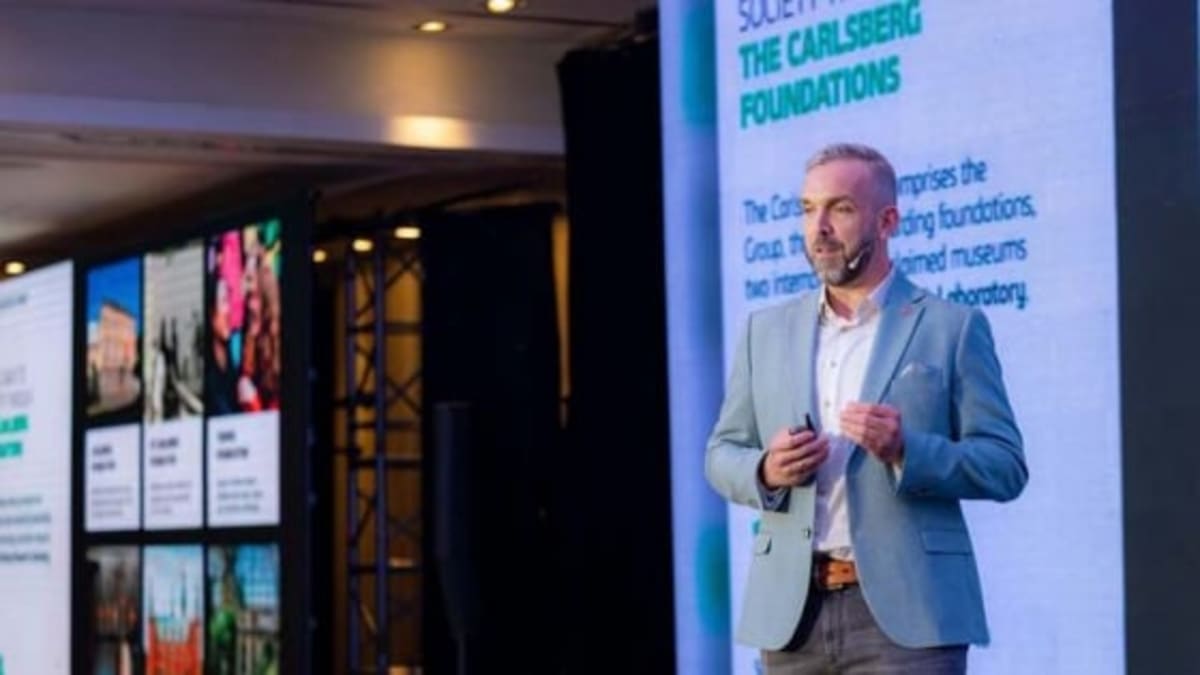
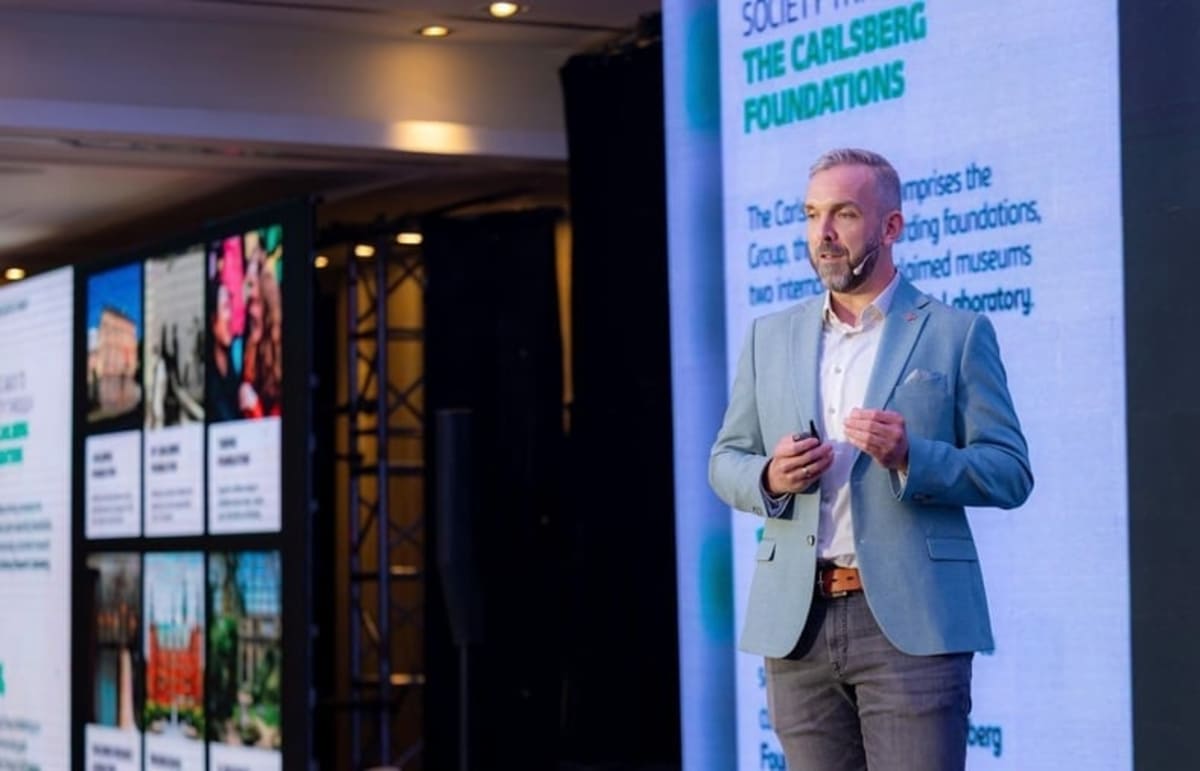
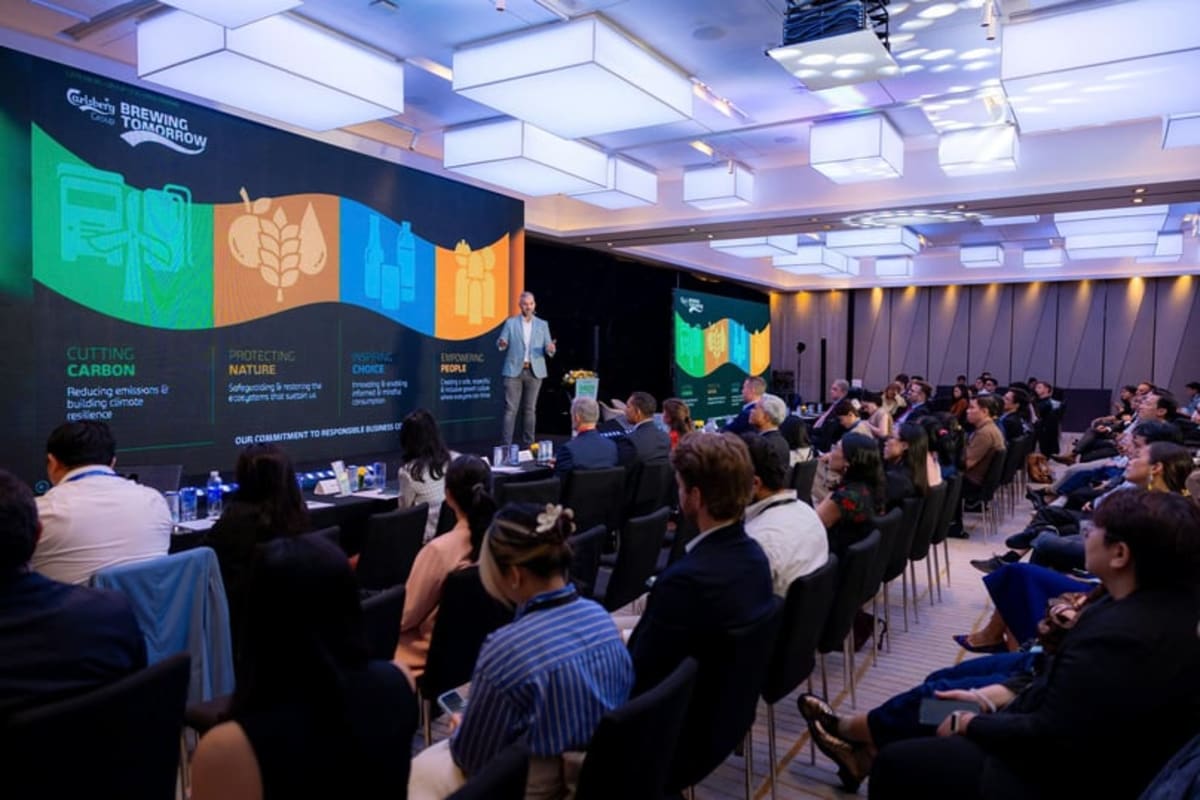
Peter Wachenschwanz, senior director of Integrated Supply Chain at Carlsberg Vietnam, shared the approach at the Green Industries Summit 2026 in Ho Chi Minh City. The event brought together over 200 business leaders and policymakers to explore sustainable industrial growth.
"Green transformation begins inside the brewery, with the discipline to use less water, less energy and fewer materials for every unit we produce," Wachenschwanz explained. The key lies in embedding efficiency into expansion rather than treating sustainability as an afterthought.
The brewery also captures and reuses 100% of the carbon dioxide generated during fermentation. A rooftop solar project now supplies up to 10% of the facility's electricity needs.
The Ripple Effect
Carlsberg Vietnam's progress extends beyond its brewery walls. Since early 2026, all its brewing operations have achieved Zero Waste to Landfill status through better waste prevention and on-site sorting.
The company reports a 98.5% collection and reuse rate for returnable glass bottles. Its plastic crates are made entirely from recycled material, keeping waste out of landfills and oceans.
These efforts align with Carlsberg Group's larger Brewing Tomorrow program, which aims for 90% emissions reduction in operations and 100% renewable electricity by 2032. The ultimate goal is a net-zero value chain by 2040.
The Vietnam operation demonstrates how factories can scale up production while simultaneously reducing their resource demands. As Vietnam works toward its net-zero commitment by 2050, this model offers a practical blueprint for industrial growth that creates economic value without environmental trade-offs.
Companies across Vietnam's industrial sector are now watching to see if this efficiency-first approach can be replicated at scale.
More Images

Based on reporting by Google News - Vietnam Growth
This story was written by BrightWire based on verified news reports.
Spread the positivity!
Share this good news with someone who needs it