Vietnam Joins Global Push for Eco-Friendly Tourism
Vietnam has joined countries like New Zealand, Thailand, and Costa Rica in making sustainable tourism a national priority, protecting natural wonders while growing its economy. The nation aims to welcome 25 million international visitors in 2026 through eco-conscious travel policies that benefit local communities.
Vietnam is proving that protecting the planet and boosting tourism can go hand in hand, joining a growing list of nations choosing sustainability over short-term profits.
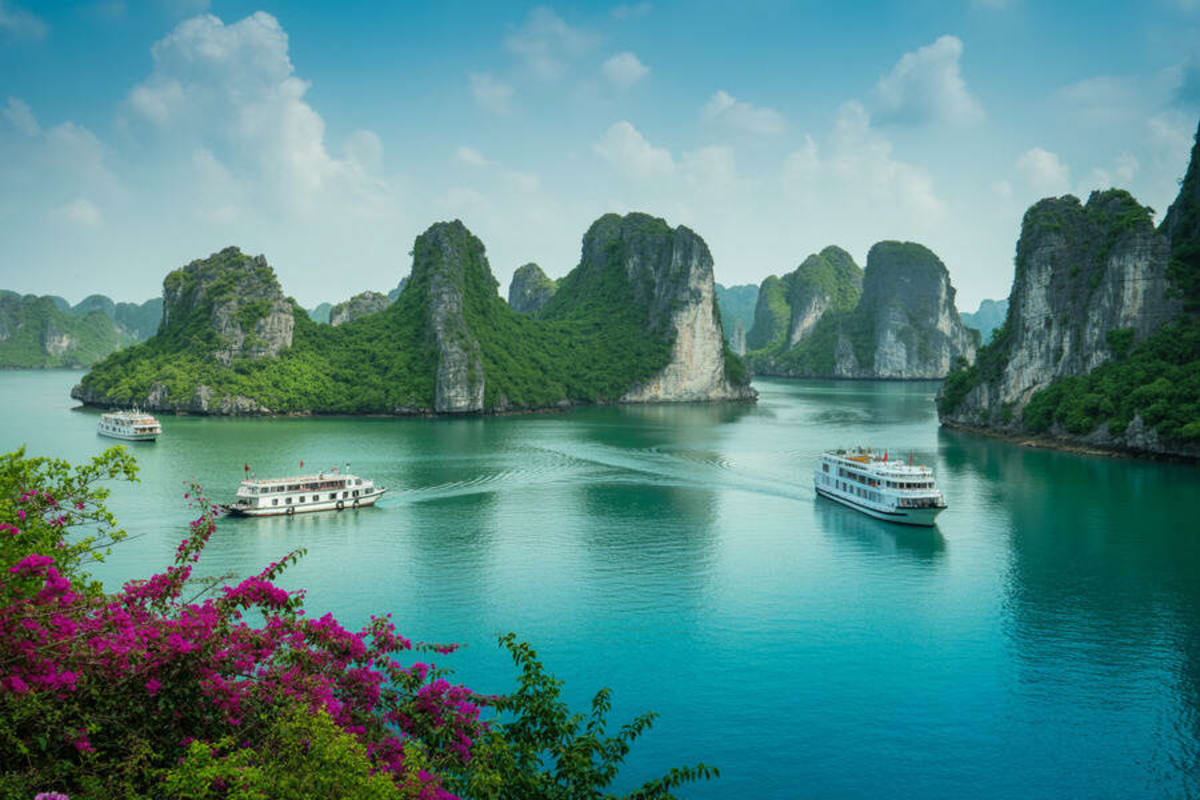
The Southeast Asian country has transformed iconic destinations like Ha Long Bay, the UNESCO World Heritage Site, by limiting visitor numbers and introducing eco-friendly cruise ships. These changes protect the bay's unique limestone karsts and emerald waters while still allowing travelers to experience one of the world's natural wonders.
In cities like Hanoi and Ho Chi Minh City, electric buses now carry tourists through bustling streets, cutting carbon emissions while offering authentic urban experiences. The government is investing heavily in solar and wind energy to power hotels, attractions, and transportation networks across the country.
Vietnam's approach extends beyond environmental protection to community empowerment. In mountain towns like Sapa and cave systems like Phong Nha, local families are becoming tourism operators themselves, sharing traditional cultures and crafts directly with visitors. This model keeps tourism dollars in local economies and preserves centuries-old ways of life that might otherwise disappear.
The country joins impressive company in this sustainable tourism movement. New Zealand's "100% Pure" campaign has made eco-conscious travel central to its national identity, while Costa Rica has long championed conservation alongside tourism growth. Thailand, South Korea, and Denmark have all woven sustainability into their national tourism policies, proving that responsible travel attracts more visitors, not fewer.
The Ripple Effect
Vietnam's sustainable tourism strategy creates wins across the board. International travelers increasingly seek authentic, eco-friendly experiences, making these policies smart economics. Local communities gain stable income sources that don't require abandoning traditional lifestyles. Natural treasures like Ha Long Bay remain protected for future generations to enjoy.
The government has streamlined visa policies to make visiting easier while launching campaigns to educate travelers about responsible tourism practices. With a goal of 25 million international visitors in 2026, Vietnam is showing that ambitious growth targets and environmental protection aren't opposing forces.
Other countries are watching closely. As global awareness of climate change grows, travelers are choosing destinations that align with their values. Nations that invest in sustainability today are building tourism industries that will thrive for decades to come.
Vietnam's transformation from a developing tourism market to a sustainable travel leader happened remarkably quickly, offering a blueprint for other nations hoping to protect their natural and cultural heritage while sharing it with the world.
Based on reporting by Regional: vietnam economic growth (VN)
This story was written by BrightWire based on verified news reports.
Spread the positivity!
Share this good news with someone who needs it