California Invests $80M in Salmon Recovery and Wildlife
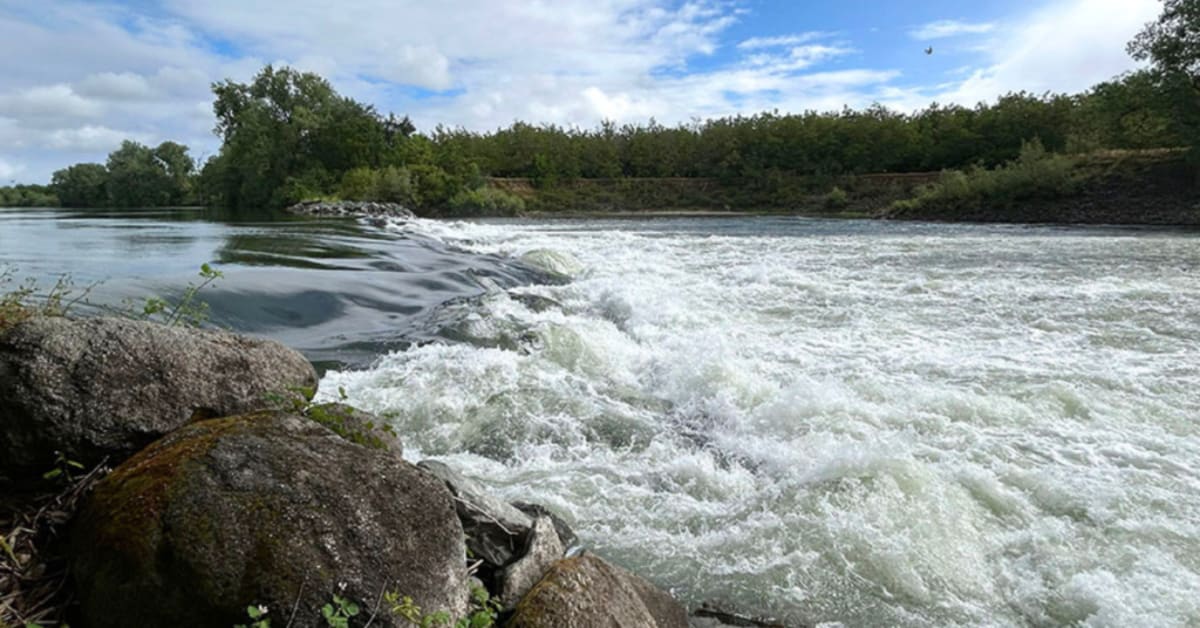
California just committed $80.4 million to wildlife connectivity and salmon recovery, with the biggest win happening on the Feather River where a decades-old barrier is finally coming down. For salmon fighting their way upstream to spawn, this funding means 28.5 miles of river are about to open up for the first time in generations.
California just committed $80.4 million to wildlife connectivity and salmon recovery, with the biggest win happening on the Feather River where a decades-old barrier is finally coming down. For salmon fighting their way upstream to spawn, this funding means 28.5 miles of river are about to open up for the first time in generations.
The Wildlife Conservation Board approved the funding package this week, greenlighting the removal of the Sunset Weir on the Feather River near Live Oak in Sutter County. The California Department of Fish and Wildlife and the Department of Water Resources are leading the project, which will give salmon and steelhead unobstructed access to spawning habitat that's been blocked for decades.
The project goes beyond just removing concrete. Workers will replace and upgrade the Sunset Pumps Station, install new fish screens on the pumps, and restore an eroded riverbank section downstream with native plants.
The timing couldn't be better. Salmon fishing just reopened on the Sacramento and Klamath rivers after three consecutive years of closures that devastated fishing communities and showed just how fragile these populations had become.
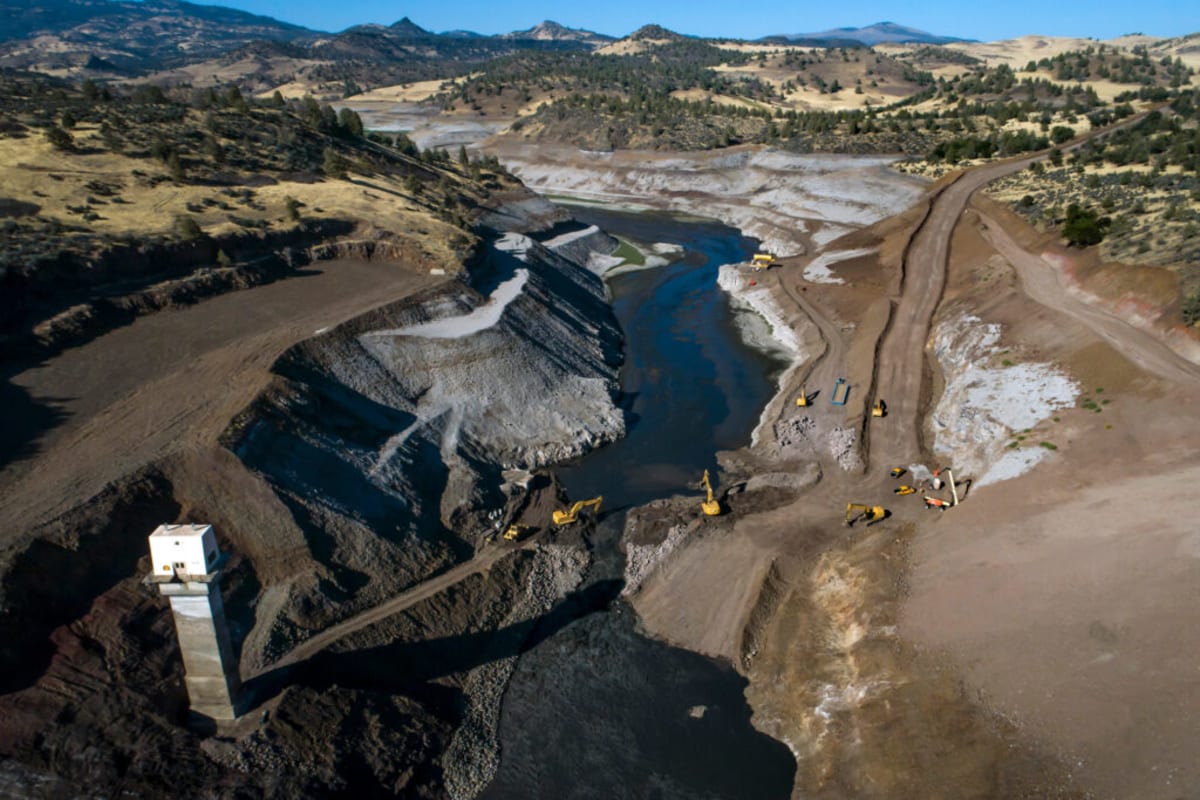
But the momentum is building. Hatchery production has ramped up across the state. Dam removal on the Klamath is opening hundreds of miles of new habitat. Spring-run Chinook are back in the North Yuba River for the first time in a century.
The $80.4 million package spans projects across multiple counties, investing in wildlife corridors, biodiversity protection, habitat restoration and public access to nature. Several projects advance the California Salmon Strategy for a Hotter, Drier Future, which coordinates the state's response to declining salmon populations as climate change makes rivers warmer and drier.
The Ripple Effect
Every barrier that comes down creates a chain reaction of life. When salmon can reach their spawning grounds, they lay eggs that become the next generation. Those young fish head to the ocean, feed whales and seabirds, then return as adults carrying ocean nutrients back upstream. When they spawn and die, their bodies fertilize riverside forests and feed bears, eagles, and countless other species.
The fishing communities that depend on healthy salmon runs get another chance too. Commercial fishers, recreational anglers, tribal communities, and riverside towns all benefit when these runs bounce back.
This isn't just about saving fish. It's about restoring the entire ecosystem that depends on them, from the microscopic insects in the gravel where salmon lay their eggs to the orcas hunting them in the Pacific.
Every mile of habitat restored is another step toward making sure the fishery stays open and these ancient migration routes keep flowing.
More Images
Based on reporting by Google News - Wildlife Recovery
This story was written by BrightWire based on verified news reports.
Spread the positivity!
Share this good news with someone who needs it