Vietnam Pays Families to Protect Wildlife Corridors
Families living in Vietnam's mountain biodiversity corridors now earn more income than their neighbors, thanks to conservation payments that protect rare wildlife. The program proves protecting nature and supporting communities can go hand in hand.
Families protecting wildlife corridors in Vietnam's Annamite mountains are earning more money than those living outside them, solving a problem that has plagued conservation efforts worldwide.
A recent study interviewed 120 families in four villages across Quang Nam and Thua Thien provinces. Researchers wanted to understand how financial incentives for conservation affected people's daily lives.
The results were striking. Households inside the biodiversity corridors earned substantially more income, primarily from conservation payments and related activities. Those outside the corridors relied more on plantations and forest harvesting, which brought in less money overall.
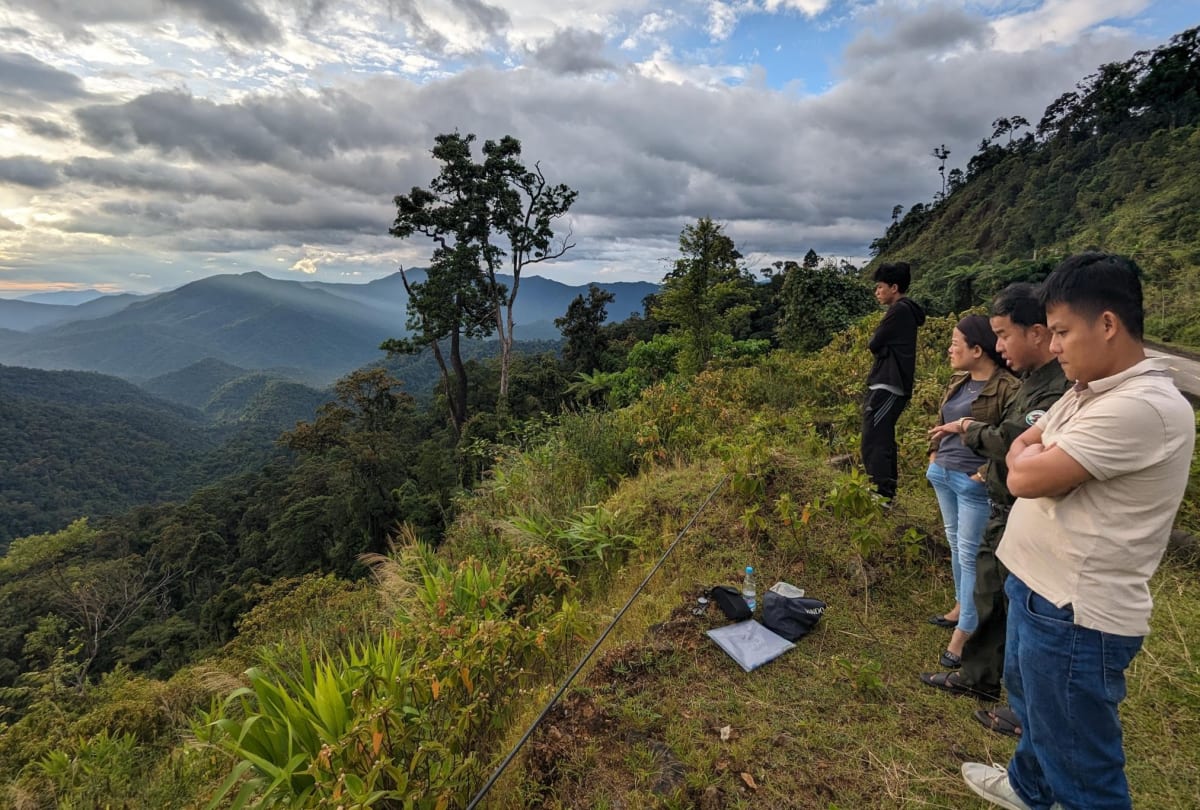
The two corridors, established in 2018, cover nearly 2,000 square kilometers of watershed forests and valleys. They connect several protected areas, including Quang Nam Saola Nature Reserve and Song Thanh National Park.
These connected forests provide crucial habitat for some of the world's rarest animals. The saola ox, discovered only in 1992, remains so elusive that scientists rarely observe it in the wild. The large-antlered muntjac and critically endangered red-shanked douc langur also depend on these vast, unbroken forests for survival.
Under Vietnam's Payment for Forest Ecosystem Services program, families receive regular payments for protecting the land. They agree to preserve natural forest cover, avoid clearing land for plantations, and limit harvesting of resources like honey and medicinal plants.
The money comes from companies that benefit from healthy forests, including hydropower and water supply firms. These businesses recognize that intact watersheds provide clean water and other services worth protecting.
Lead author Nguyen Van Tri Tin emphasizes that long-term conservation success requires giving communities real financial alternatives. "By providing regular financial benefits from forest protection, programs like PFES create incentives for communities to maintain forest cover and reduce pressures on critical habitats," he said.
The Ripple Effect
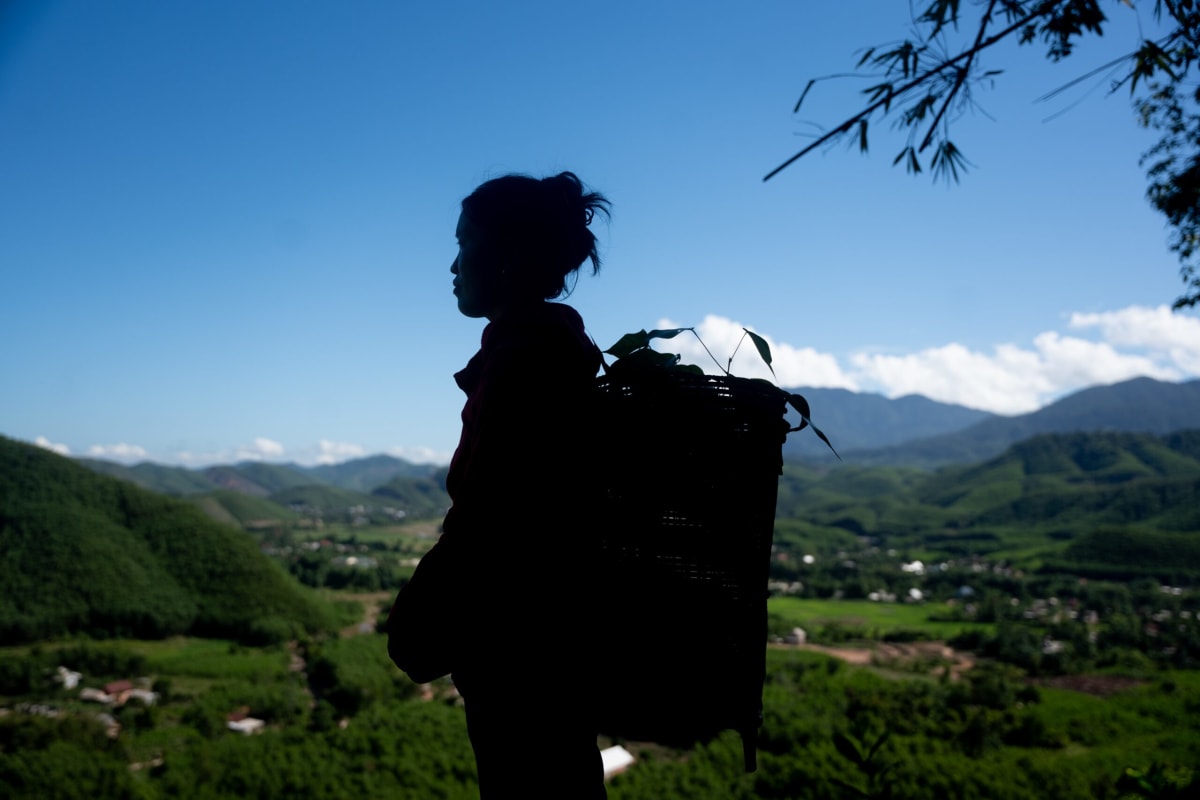
Beyond direct payments, families benefit from healthier forests in other ways. Clean water flows more reliably from protected watersheds. Pollinator populations thrive, helping nearby crops. Conservation jobs provide stable employment that doesn't deplete natural resources.
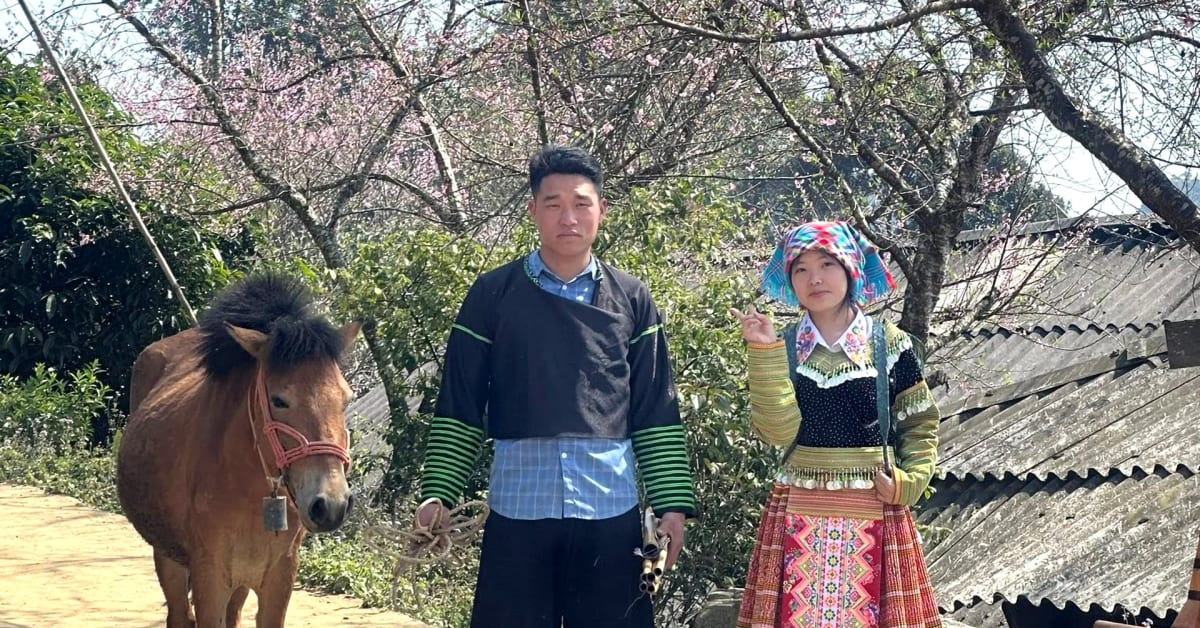
The program also supports 11 distinct Indigenous groups and other landowners who call these mountains home. Rather than forcing people to choose between their livelihoods and conservation, the corridors demonstrate both goals can advance together.
Senior connectivity specialist Cody Aylward says thinking long-term about landscape recovery requires systems that help wide-ranging species survive. The corridors provide exactly that framework.
The success in Vietnam's Annamites offers a practical model other regions could follow, proving conservation can improve lives while protecting irreplaceable biodiversity.
More Images


Based on reporting by Mongabay
This story was written by BrightWire based on verified news reports.
Spread the positivity!
Share this good news with someone who needs it