Vietnam Pivots to Green Ocean Economy for Growth
Vietnam is shifting its marine economy strategy from raw extraction to sustainable practices, focusing on industrial aquaculture and eco-tourism. The transformation aims to unlock the ocean's economic potential while protecting coastal ecosystems for future generations.
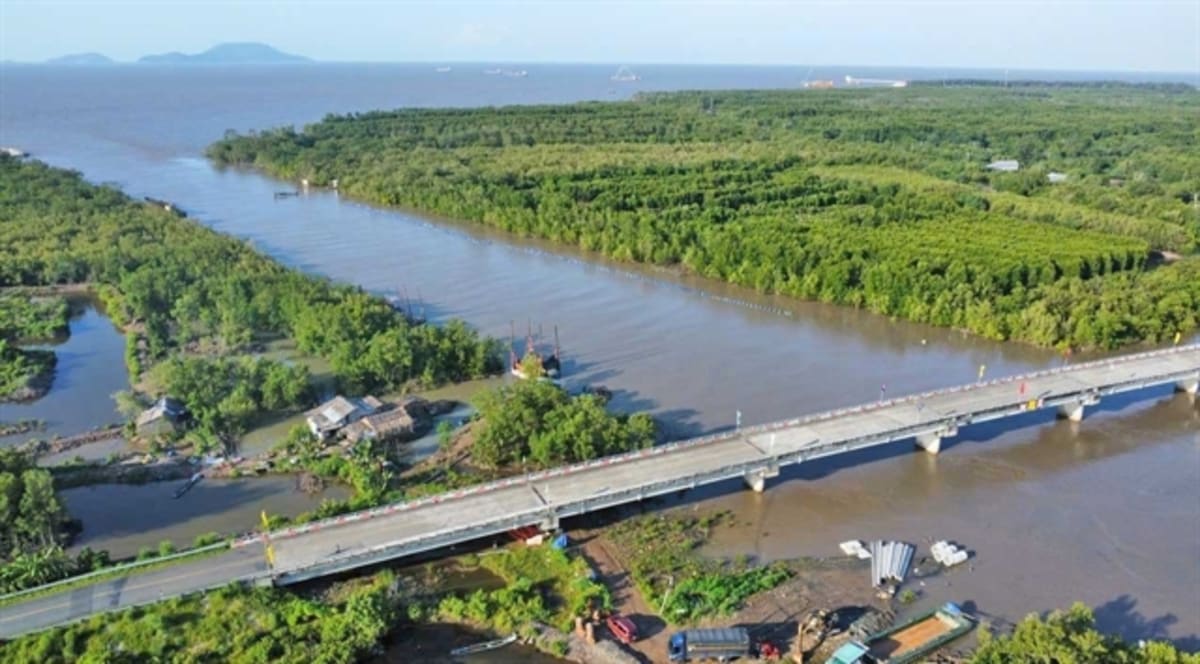
Vietnam is reimagining how it uses its 2,000 miles of coastline, choosing conservation over extraction as the path to economic prosperity.
Experts recently called for sweeping reforms to transform the country's marine economy from a reliance on wild fishing and raw material harvesting into a sustainable growth engine. The new vision centers on two pillars: scaling up industrial aquaculture and developing high-quality eco-tourism tied directly to ocean conservation.
The shift comes as Vietnam experiences remarkable economic momentum. The country attracted $6.6 billion in tech investment to Ho Chi Minh City alone, with heavy focus on AI and semiconductors. Vietnam now aims to build five technology companies each earning $1 billion in overseas revenue by 2030.
But the marine economy represents untapped potential that could rival tech growth. Instead of depleting wild fish stocks, the strategy calls for gradually transitioning fisheries to industrial-scale farming operations. This approach promises more predictable yields while allowing ocean ecosystems to recover.
Marine tourism will follow a similar quality-over-quantity model. Rather than mass tourism that strains coastal areas, Vietnam plans to attract visitors seeking premium eco-resorts and conservation experiences. The approach mirrors successful models in countries where protecting natural beauty became the business model itself.
The Ripple Effect
The transformation signals a broader pattern across Southeast Asia. Vietnam is simultaneously working with Cambodia and Laos to improve border trade connectivity and promote regional agricultural products through joint trade fairs.
This collaborative approach extends to its marine strategy. A recent trade fair in An Giang Province featured 260 stalls from Vietnamese, Cambodian and Laotian businesses, showing how shared prosperity can strengthen entire regions.
The World Bank praised Vietnam's strategic thinking. Lead economist Tehmina Khan emphasized that quality implementation will be key to achieving double-digit growth targets amid global economic uncertainty.
For fishing communities, the transition offers stability. Industrial aquaculture provides year-round employment and reduces the dangerous unpredictability of wild catch fishing. Coastal towns can build tourism infrastructure that creates jobs in hospitality, guiding and conservation work.
Vietnam's willingness to choose long-term sustainability over short-term extraction shows how environmental protection and economic growth can move in the same direction.
More Images



Based on reporting by Regional: vietnam economic growth (VN)
This story was written by BrightWire based on verified news reports.
Spread the positivity!
Share this good news with someone who needs it