Vietnam Plants 15,000 Trees After Typhoon Yagi Damage
After Super Typhoon Yagi stripped hillsides bare in northern Vietnam, ten families turned disaster into hope by planting 15,000 trees with a 95% survival rate. The project links climate recovery with long-term income through future carbon credits.
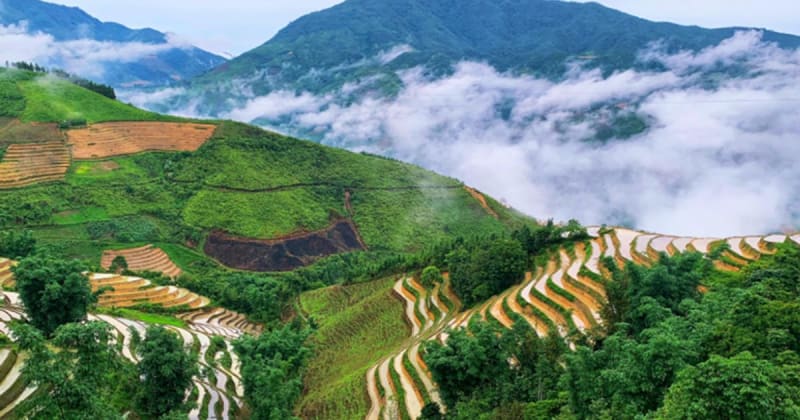
The slopes above Lào Cai Province stood naked and vulnerable after Super Typhoon Yagi tore through in 2024, leaving families worried about landslides and lost livelihoods on mountains they'd called home for generations.
But by August 2025, something remarkable happened. Ten ethnic minority families planted 15,000 native tree seedlings across 10 hectares of bare hillsides, transforming post-disaster recovery into a 20-year commitment to restore their forests and secure their futures.
The families, from Tày, Dao, H'Mông, and Nùng communities, faced an impossible choice after the typhoon. They knew replanting was urgent, but rebuilding after disaster left no money for reforestation. The exposed mountains meant continued danger from erosion and landslides.
The Netherlands government stepped in with funding through Vietnam's Ministry of Agriculture, launching a program that goes beyond simple tree planting. The Center for Rural Economy Development coordinated the technical details, ensuring proper soil preparation and species selection for each location.
Despite rainy season roads that became impassable and challenging weather, the villagers showed up daily to plant Canarium, Michelia, Pinus kesiya, Tectona, and Chukrasia seedlings. After two months, over 95% of the trees survived, a success rate that impressed forestry experts.
"This program is truly meaningful for us," said Vàng Thị Vấn from Pác Kẹ village. "It helps green the hills, prevent landslides, and creates savings for our future."
The Ripple Effect
The initiative creates value that extends far beyond the hillsides. As the forests mature over 20 years, participating families will earn income from voluntary carbon markets, turning environmental stewardship into sustainable livelihood.
Water sources are already recovering in the area. Soil stability is improving with each passing season. The model proves that climate adaptation and economic opportunity can grow from the same roots.
The program links local knowledge with international support and technical expertise, creating a template other communities can follow. What started as post-disaster recovery is becoming a roadmap for green growth across northern Vietnam's vulnerable uplands.
Today, slopes that stood bare and brown are turning green again, and ten families are watching their investment in the future take root one seedling at a time.
Based on reporting by Google News - Reforestation
This story was written by BrightWire based on verified news reports.
Spread the positivity!
Share this good news with someone who needs it