Vietnam Seizes 1.2 Tons of Ivory in Major Wildlife Bust
Vietnamese authorities intercepted over a ton of elephant ivory and big cat bones hidden in timber shipments, marking a significant blow to illegal wildlife trafficking networks. The discovery shows growing enforcement strength in a region that's been a hotspot for smuggling endangered animal parts.
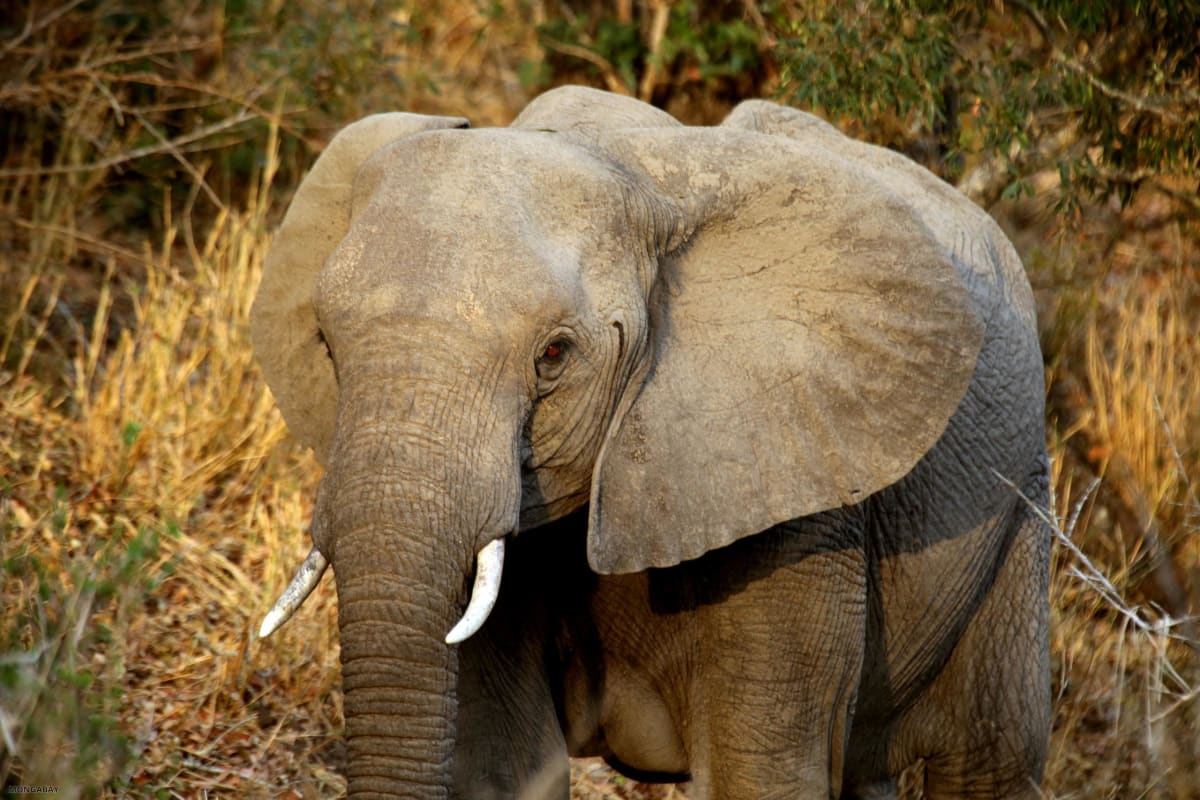
Vietnamese authorities just pulled off one of the biggest wildlife trafficking busts in the country's history, seizing 1.2 tons of elephant ivory and 175 pounds of big cat bones hidden in fake timber crates.
The massive haul arrived at Quy Nhon Port in July from the Republic of Congo, packed inside 165 wooden crates labeled as ordinary African timber. Investigators got suspicious and used specialized scanning equipment to uncover the truth.
Inside 12 of those crates, traffickers had carved out secret compartments and packed them with ivory and bones sealed in wax. They'd covered everything with wood panels to make the shipments look completely normal.
The Vietnam Academy of Science and Technology tested the contraband and confirmed it came from elephants and big cats. Police have already detained several suspects connected to the smuggling operation and launched criminal proceedings.
The Bright Side
This seizure represents real progress in Vietnam's fight against organized wildlife crime. The country has emerged as a major trafficking hub over the past two decades, but enforcement actions like this show governments are building stronger defenses.
Chris Shepherd from the Center for Biological Diversity noted that while demand for illegal wildlife products persists, Vietnam's willingness to take on criminal syndicates marks "a very positive step in the right direction." The fact that investigators used advanced scanning technology and followed through with arrests shows growing capacity and commitment.
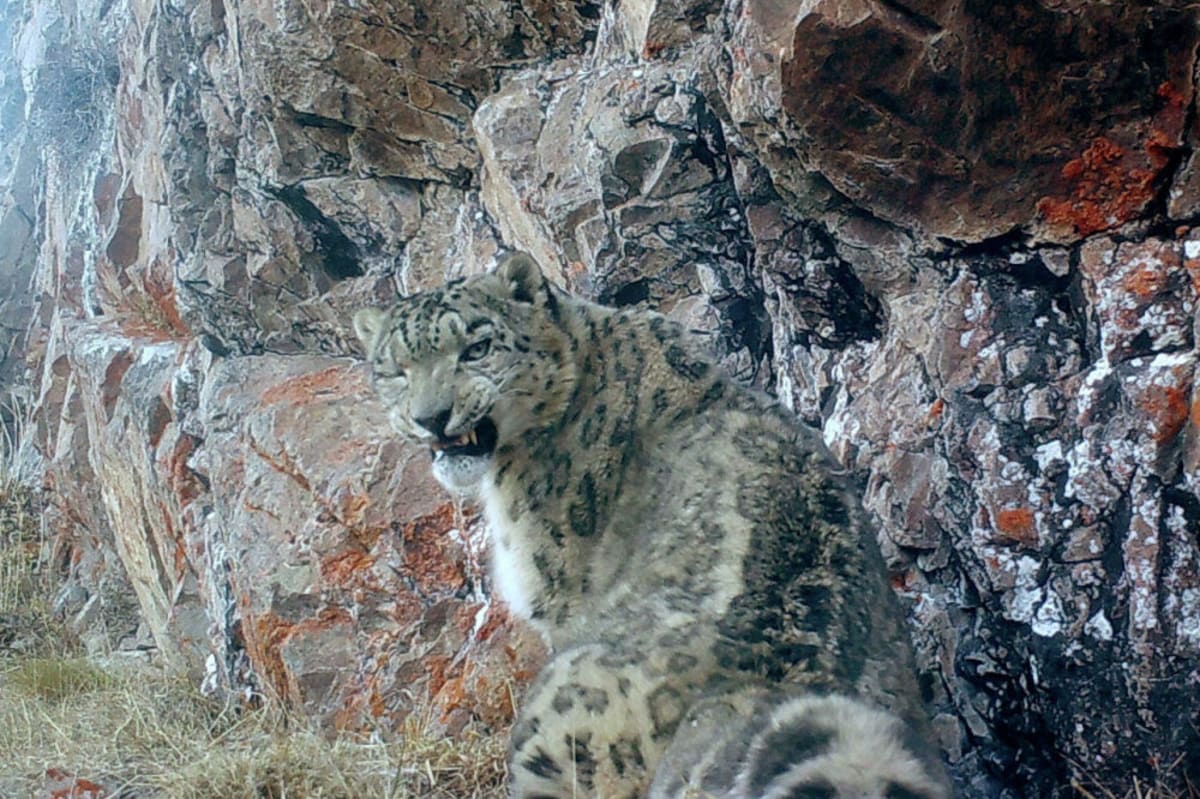
The discovery also highlights an important shift in trafficking patterns. As Southeast Asian tigers and leopards become scarce, smugglers are sourcing parts from African lions to meet traditional medicine demand, revealing how enforcement pressure changes criminal behavior.
Gia Lai provincial authorities say this is the first seizure of this scale at their regional port. That milestone suggests detection methods are improving and traffickers can no longer count on certain routes staying under the radar.
While corruption still undermines conservation efforts in many regions, successful operations like this demonstrate that investment in enforcement pays off. Every intercepted shipment means hundreds of animals that won't be killed to supply illegal markets.
Vietnam's actions send a clear message to trafficking networks: the risk is rising and the doors are closing.
More Images

Based on reporting by Mongabay
This story was written by BrightWire based on verified news reports.
Spread the positivity!
Share this good news with someone who needs it

%2Fhttps%3A%2F%2Ftf-cmsv2-smithsonianmag-media.s3.amazonaws.com%2Ffiler_public%2F8b%2Fdd%2F8bdd6baa-d5eb-4361-b11d-74f651c75216%2Fmarmot_dandelion_3b531fc2-0a2c-43dd-8549-971ae73358af-prv.jpg)