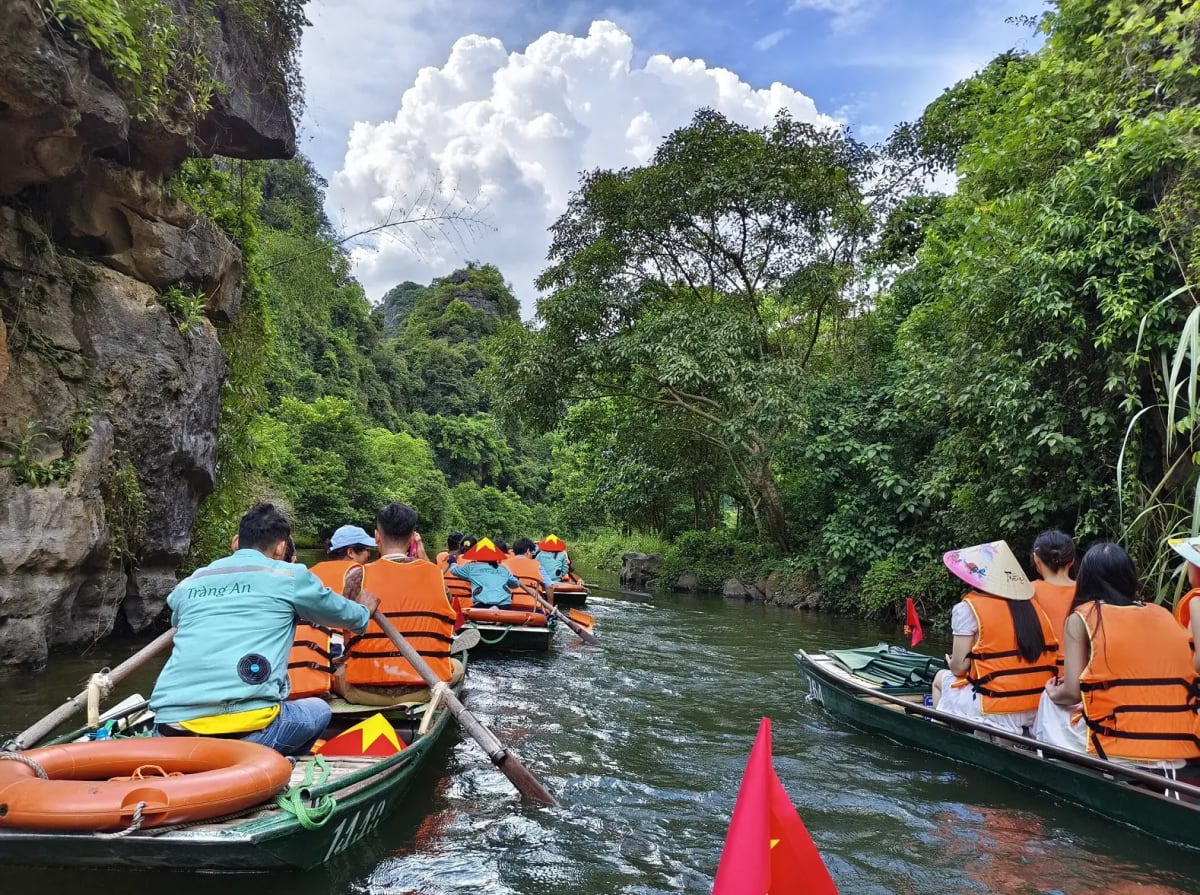
Vietnam Turns Tourism Into Force for Environmental Healing
Vietnam is pioneering circular tourism, a model where every vacation actively restores nature and cultures instead of just reducing harm. The Southeast Asian nation aims to transform its travel industry into an engine for ecological recovery by 2050.
Vietnam is rewriting the rules of how tourism should work, moving beyond sustainability to a model where every traveler actually helps heal the planet.
The country has launched an ambitious shift to circular tourism, a regenerative approach where vacations contribute to restoring ecosystems, preserving cultural traditions, and strengthening local communities. Unlike traditional sustainable tourism that focuses on doing less harm, this model aims to leave destinations better than visitors found them.
The Vietnam National Authority of Tourism is building the transformation on three foundations: green infrastructure design, financially viable business models for sustainable practices, and active community participation. Deputy Director Nguyen Thi Hoa Mai emphasized that local communities must become partners, not just passive recipients, in tourism development.
The practical changes are already taking shape across the country. Hotels and resorts will source food directly from local farmers and traditional craft villages. Destinations will implement waste separation, composting, and water recycling systems powered by solar and biomass energy.
Tourism hotspots with strong potential for island, eco, and agricultural tourism will pilot the circular model first. These locations will operate with zero plastic waste and closed-loop water systems.
The Ripple Effect
The shift promises benefits far beyond environmental protection. Local farmers gain reliable income through direct partnerships with tourism businesses. Traditional craft villages find new markets for their products. Communities develop stronger resilience while maintaining cultural identity.
Travelers themselves will play an active role in the transformation. Vacations can include activities like tree planting, coral reef restoration, and community conservation projects. These experiences create deeper connections between visitors and destinations while making tangible positive impacts.
Vietnam has embedded these principles into national policy through its Tourism Law and Tourism Development Strategy to 2030. The government is improving infrastructure, expanding vocational training, and promoting entrepreneurship in rural and ethnic minority communities.
The country is also building a national database of successful circular economy initiatives to help other destinations adopt proven models. Green finance programs will support tourism businesses making the transition.
By 2050, Vietnam aims to reach net-zero emissions while establishing circular practices as a defining feature of its tourism identity. The transformation positions the country as an attractive destination for travelers seeking meaningful experiences that contribute to global environmental recovery.
What began as a national tourism policy could become a blueprint for how the world travels in the future.
More Images



Based on reporting by Google News - Vietnam Growth
This story was written by BrightWire based on verified news reports.
Spread the positivity!
Share this good news with someone who needs it