Vietnam's $48B Textile Industry Goes Green and High-Tech
Vietnam's textile sector is trading volume for value, embracing sustainable materials and advanced technology to meet global demand. A major trade fair in February 2027 will connect the entire supply chain under one roof.
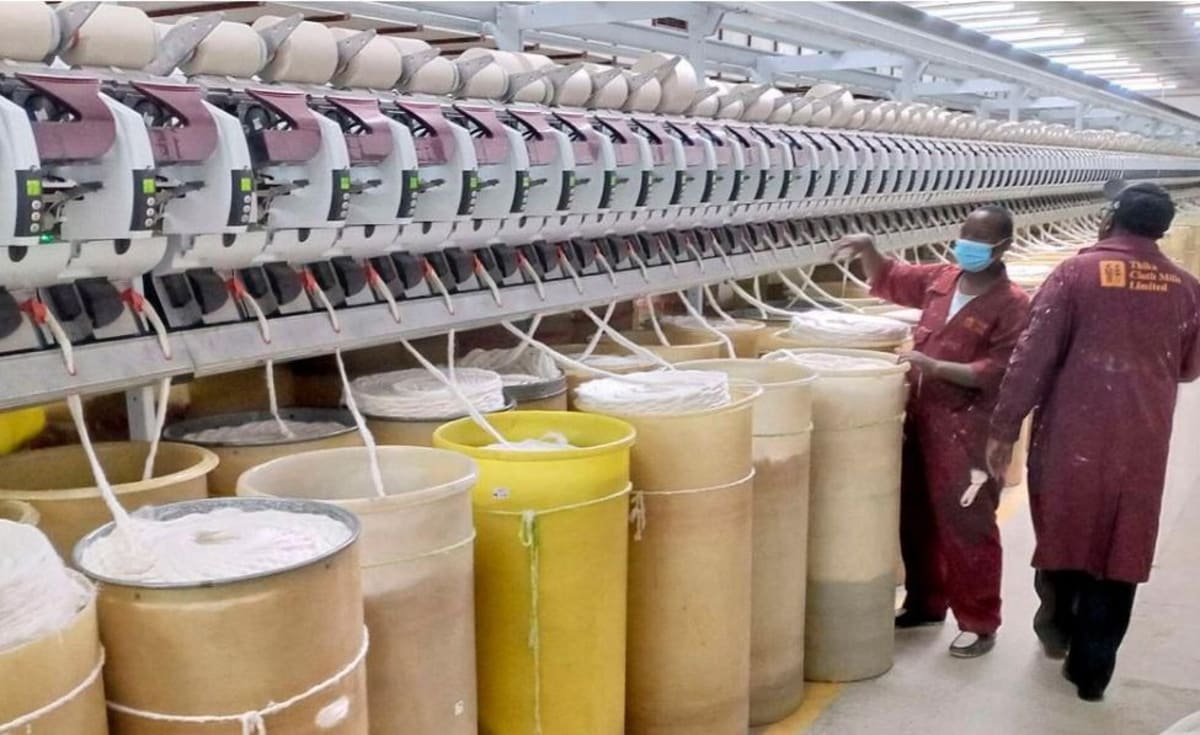
Vietnam's $48 billion textile industry is choosing quality over quantity in a transformation that could reshape how clothes reach closets worldwide.
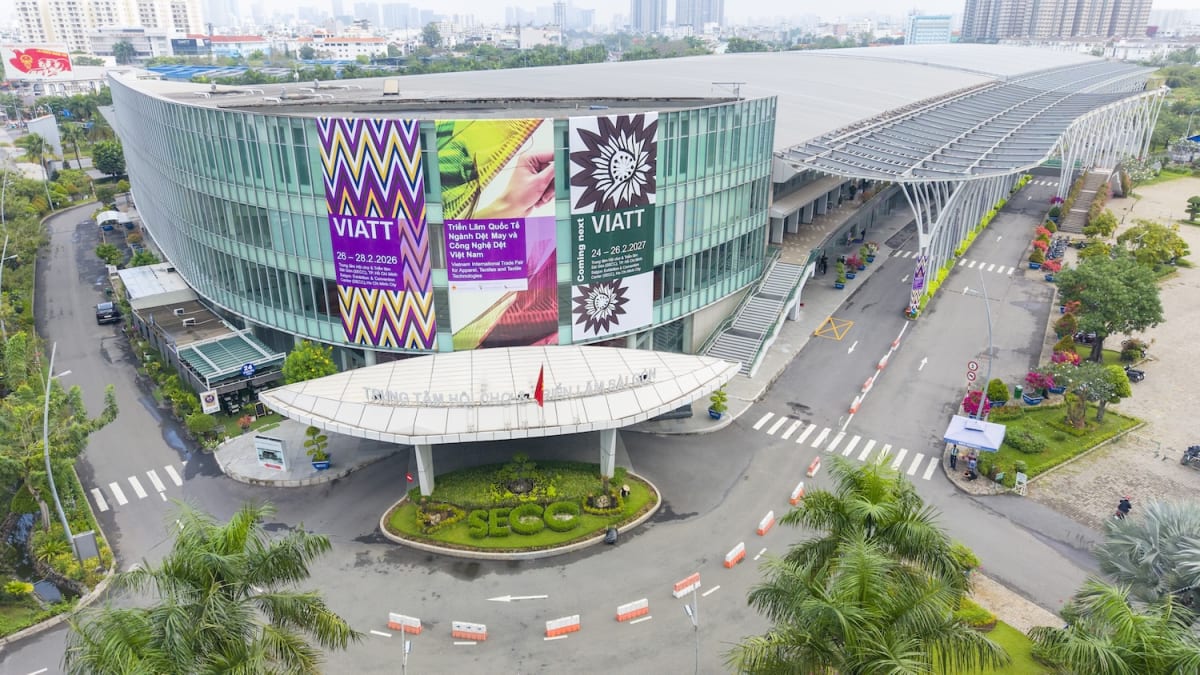
The Vietnam International Trade Fair for Apparel, Textiles and Textile Technologies returns to Ho Chi Minh City from February 24 to 26, 2027. The event brings together raw materials, fabrics, garments, and manufacturing technology in one place.
This shift comes as Vietnam's textile sector generated more than $22 billion in exports during the first half of 2026 alone. But industry leaders say future success depends less on making more and more on making better.
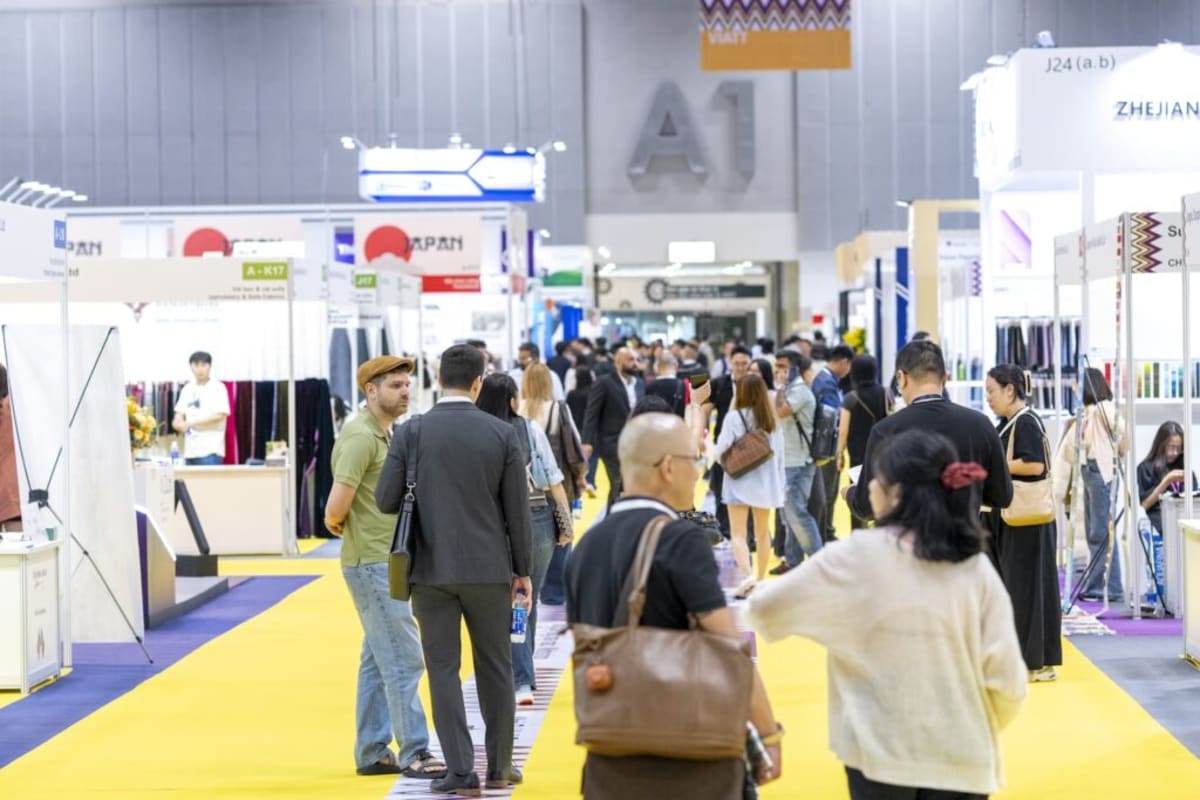
The 2026 fair attracted nearly 460 exhibitors from 21 countries and recorded over 17,000 visits from buyers representing 54 markets. More than 350 business meetings connected sellers with international buyers on the spot.
"Vietnam's textile industry is at a turning point," said Wilmet Shea of Messe Frankfurt, the event organizer. Companies are moving toward value creation, technology adoption, and supply chain transparency as global environmental standards tighten.
Right now, Vietnam imports more than 60 percent of its production materials. Increasing domestic sourcing and regional partnerships tops the priority list for textile manufacturers looking to build resilient supply chains.
The fair addresses this challenge by connecting yarn suppliers, fabric makers, garment producers, and technology companies. Visitors can source sustainable materials, explore new manufacturing tools, and develop networks spanning multiple continents.
The Ripple Effect
This transformation extends far beyond factory floors. When textile companies adopt cleaner production methods and transparent supply chains, workers benefit from safer conditions and international buyers gain confidence in their purchases.
The fair's Econogy Hub showcases certified sustainable fibers, recycled materials, and traceability systems. These tools help manufacturers meet stricter environmental and social requirements in Europe and North America, opening doors to premium markets.
"For many brands, it is essential to look at the entire value chain," said William Yip of Canadian outdoor retailer Mountain Equipment Company. "From a traceability perspective, it is invaluable to have insight into your yarn supplier, the yarns used in your fabrics and ultimately your garment suppliers."
Indonesian exhibitor PT Kary Indomas Elok found success targeting buyers across clothing, stuffed toys, and home furniture categories. The integrated format helped the company expand its reach into US and European markets.
Vietnam's textile workers and businesses are proving that sustainable growth and economic success can go hand in hand.
More Images

Based on reporting by Google News - Vietnam Growth
This story was written by BrightWire based on verified news reports.
Spread the positivity!
Share this good news with someone who needs it