Villages in India Ban Hunting to Save Rare Marbled Cats
Communities in northeast India are creating their own protected areas and banning hunting to save the elusive marbled cat, one of Asia's least-studied wild cats. Local hunters are now leading conservation efforts and planning eco-tourism to protect the species.
In the remote forests of northeast India, villages are doing what years of traditional conservation couldn't: protecting one of Asia's rarest cats by choice, not by force.
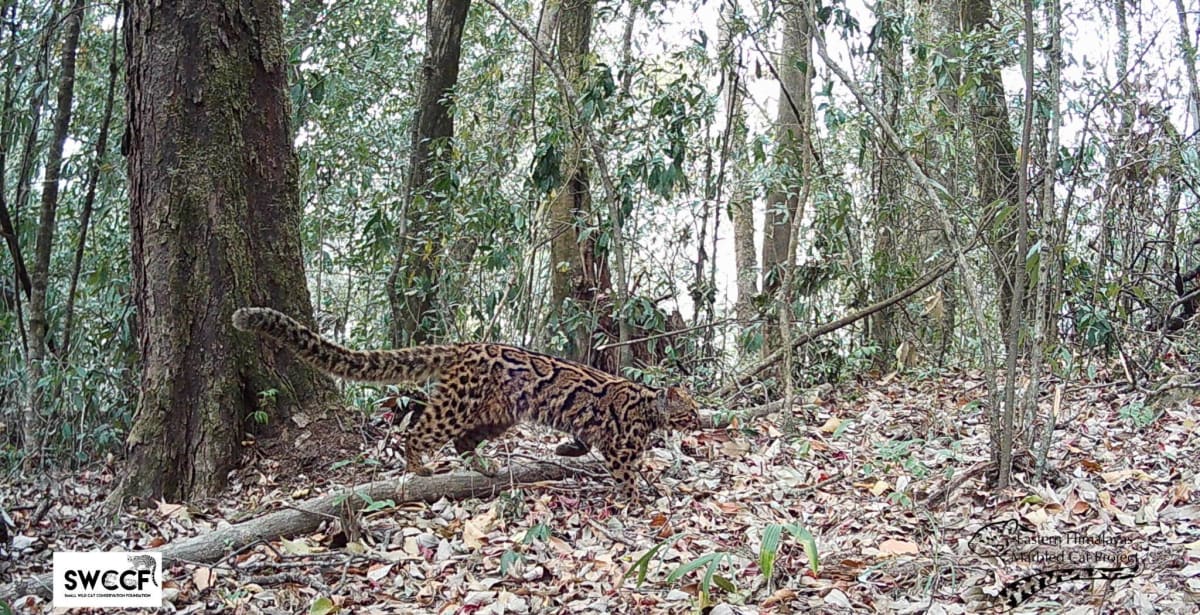
The marbled cat is a mystery wrapped in beautiful spotted fur. Scientists know almost nothing about this small wild feline because it lives high in forest canopies and rarely appears on camera traps. What researchers recently discovered, though, changed everything: most marbled cats live outside protected areas, in forests where local communities hunt and gather.
That's when conservationists tried something different. The Eastern Himalayas Marbled Cat Project didn't just study the cats. They invited local hunters to help set up camera traps and showed villagers footage of the rare animals living in their backyards.
"The challenge is visibility. If people don't know about a species, it's difficult to build conservation around it," said Giridhar Malla, who founded the project.
The response surprised everyone. In October 2025, Lokpeng village in Arunachal Pradesh declared their community forest as India's first community-conserved area specifically for marbled cats. Hunting the cats and other wildlife is now completely banned there.
Nearby Hebamlo village in Nagaland passed their own resolution protecting marbled cats and other small wild cats. They even established anti-poaching camps run by locals.
This matters because national hunting bans don't always work in these states. Arunachal Pradesh and Nagaland operate largely under local customary laws, meaning communities decide their own rules. When villages choose conservation themselves, it sticks.
"While I respect local traditions, it's equally important to recognize the need to protect every species in our forests and reduce hunting," said Anand Goi, a member of the Lokpeng Welfare Society.
The Ripple Effect
The conservation movement is creating new opportunities beyond protecting cats. Villages in the Siang region are planning homestays to attract wildlife enthusiasts who want to see marbled cats in the wild. The same hunters who once tracked animals for bushmeat are becoming wildlife guides, creating income that doesn't require taking a single life.
Conservationists believe this community-led, low-impact ecotourism model could work across Asia. When local people benefit directly from protecting wildlife, conservation becomes personal, not just policy.
These mountain communities are proving that the best guardians of rare species aren't always scientists or park rangers but the people who share the forest with them every day.
More Images


Based on reporting by Mongabay
This story was written by BrightWire based on verified news reports.
Spread the positivity!
Share this good news with someone who needs it