Yellowstone Wolves: From Extinct to Star Attraction
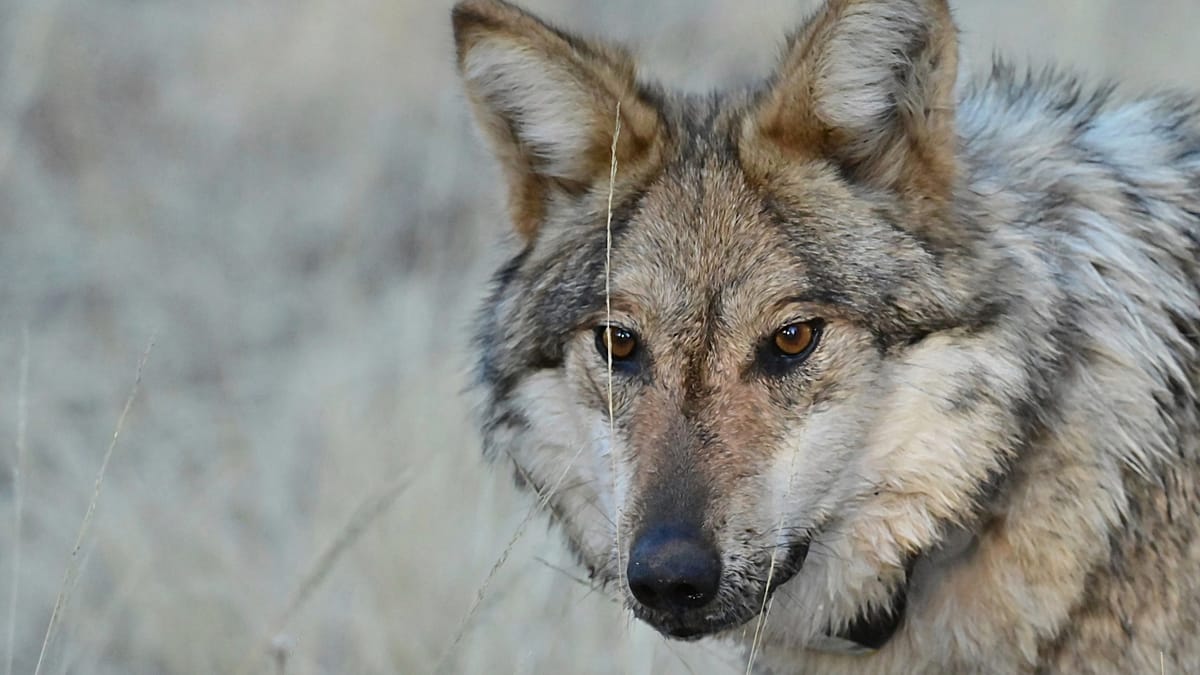
Once poisoned to extinction in Yellowstone, gray wolves now thrive as the park's biggest draw after one of conservation's greatest comebacks. Their return transformed an entire ecosystem and proved nature can heal when we give it a chance.
The last wolf in Yellowstone National Park was killed in 1926, poisoned as part of a nationwide campaign to eliminate predators. Today, hundreds of thousands of visitors flock to the park each year just to glimpse these once-hated animals in the wild.
The transformation didn't happen by accident. It took decades of scientific understanding and a bold decision to bring wolves back to a place where they'd lived for thousands of years.
Gray wolves once roamed across North America in massive numbers. Indigenous communities like the Nez Perce Tribe lived alongside them for millennia, weaving wolves into their oral histories and cultural identity. "We've seen and experienced wolves from before the last ice age," said James Holt, a Nez Perce environmentalist.
But as settlers spread westward in the 1800s, conflict erupted. Wolves occasionally preyed on livestock, and humans responded with extreme measures. The government backed trapping, shooting, and widespread poisoning campaigns that nearly wiped wolves from the lower 48 states entirely.
Yellowstone's managers considered wolves "public enemy number one." Between 1914 and 1926, park officials killed at least 136 wolves using strychnine-laced carcasses. The poison caused convulsions and extreme suffering, and wolves couldn't avoid it the way they learned to evade traps.
Without wolves and other top predators, elk populations exploded. They overgrazed vegetation across the park, throwing the ecosystem off balance. Park staff tried managing elk numbers through culling, but it was an uphill battle against nature.
Then came the reintroduction. Starting in the 1990s, wolves returned to Yellowstone in a carefully planned conservation project. Scientists wanted to restore a top predator and see what would happen when nature regained its natural checks and balances.
The Ripple Effect
The wolves didn't just survive. They thrived and changed everything around them.
Today, Yellowstone spans over 2.2 million acres across Wyoming, Montana, and Idaho. It's now the best place in America to see wild wolves in their natural habitat. The park functions as a "wolf fortress" where hunting is illegal and wolves can live protected.
Visitors book hours-long tours hoping for just a glimpse of these magnificent animals. What was once considered a pest has become one of the park's most beloved attractions, bringing tourism dollars and renewed appreciation for predators.
Writer Erica Berry notes that wolves teach us something unexpected. We often picture the "lone wolf" as independent and solitary, but real wolves show us the power of collaboration. They hunt together, raise families together, and survive through cooperation.
Even a lone wolf is simply searching for a new pack to join.
The Yellowstone wolf story proves a powerful truth: when humans nearly destroyed something, we also discovered we had the power to bring it back.
More Images
%2Fhttps%3A%2F%2Ftf-cmsv2-smithsonianmag-media.s3.amazonaws.com%2Ffiler_public%2F40%2Fc3%2F40c3d24d-cd70-43a5-9a1b-5f83f5ab7bd1%2F53470570715_873e9028fb_o.jpg)
%2Fhttps%3A%2F%2Ftf-cmsv2-smithsonianmag-media.s3.amazonaws.com%2Ffiler_public%2Fff%2F21%2Fff2127de-79ce-48d5-b5e0-aeea7e558ee6%2F18040d.jpg)
%2Fhttps%3A%2F%2Ftf-cmsv2-smithsonianmag-media.s3.amazonaws.com%2Ffiler_public%2F3f%2Fcc%2F3fcc8152-d4c6-455c-ad0b-3b5ed50a73dd%2F14768.jpg)
%2Fhttps%3A%2F%2Ftf-cmsv2-smithsonianmag-media.s3.amazonaws.com%2Ffiler_public%2Fc8%2Fe9%2Fc8e9c26c-786d-4acf-ae99-817bcc93d61b%2F35967460023_3341ddaa60_k.jpg)
Based on reporting by Smithsonian
This story was written by BrightWire based on verified news reports.
Spread the positivity!
Share this good news with someone who needs it