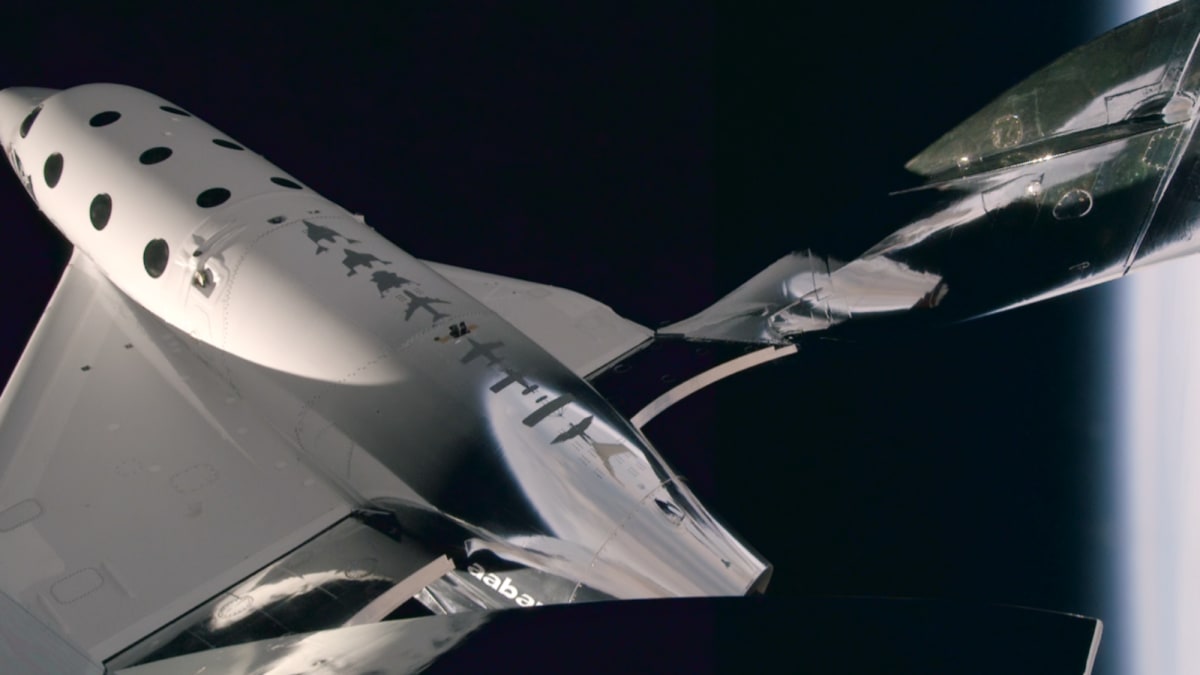
Virgin Galactic to Launch First Period-in-Space Study
A Gen-Z led nonprofit will fly researchers to space in 2027 to study menstruation in microgravity for the first time ever. The mission tackles a gap in space medicine that's existed since Sally Ride's historic flight 46 years ago.
When NASA engineers asked astronaut Sally Ride if 100 tampons was enough for her six-day spaceflight in 1978, it became a famous example of how little we understood about periods in space. Nearly five decades later, that gap in knowledge is finally about to close.
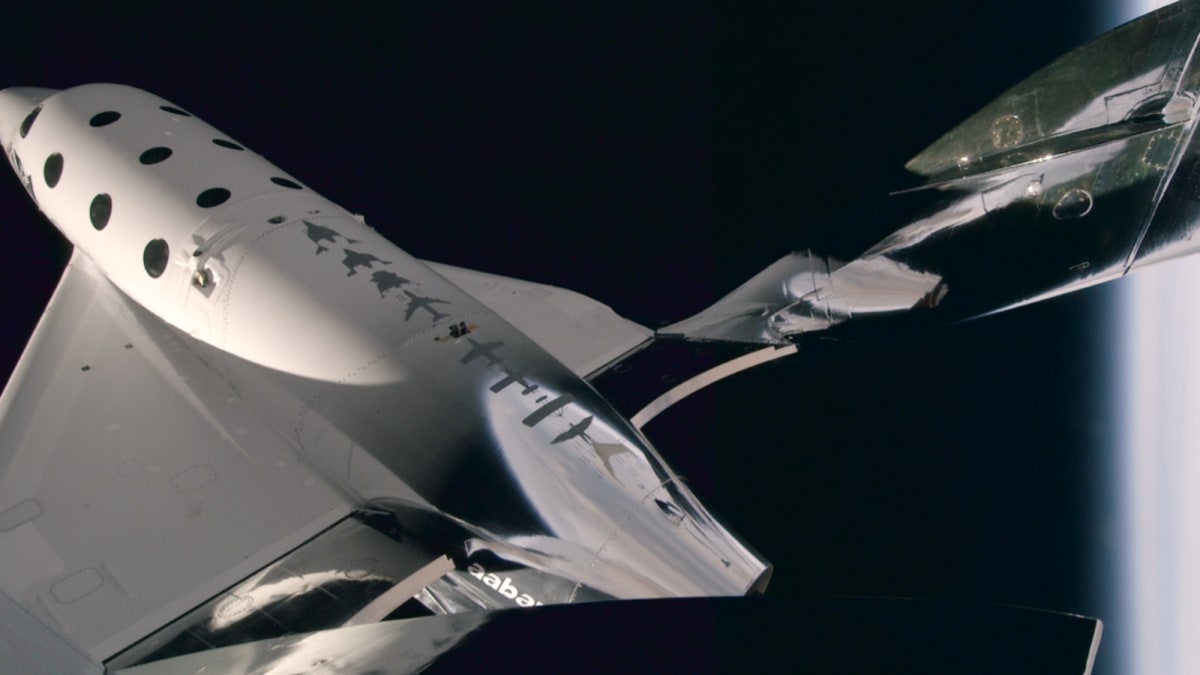
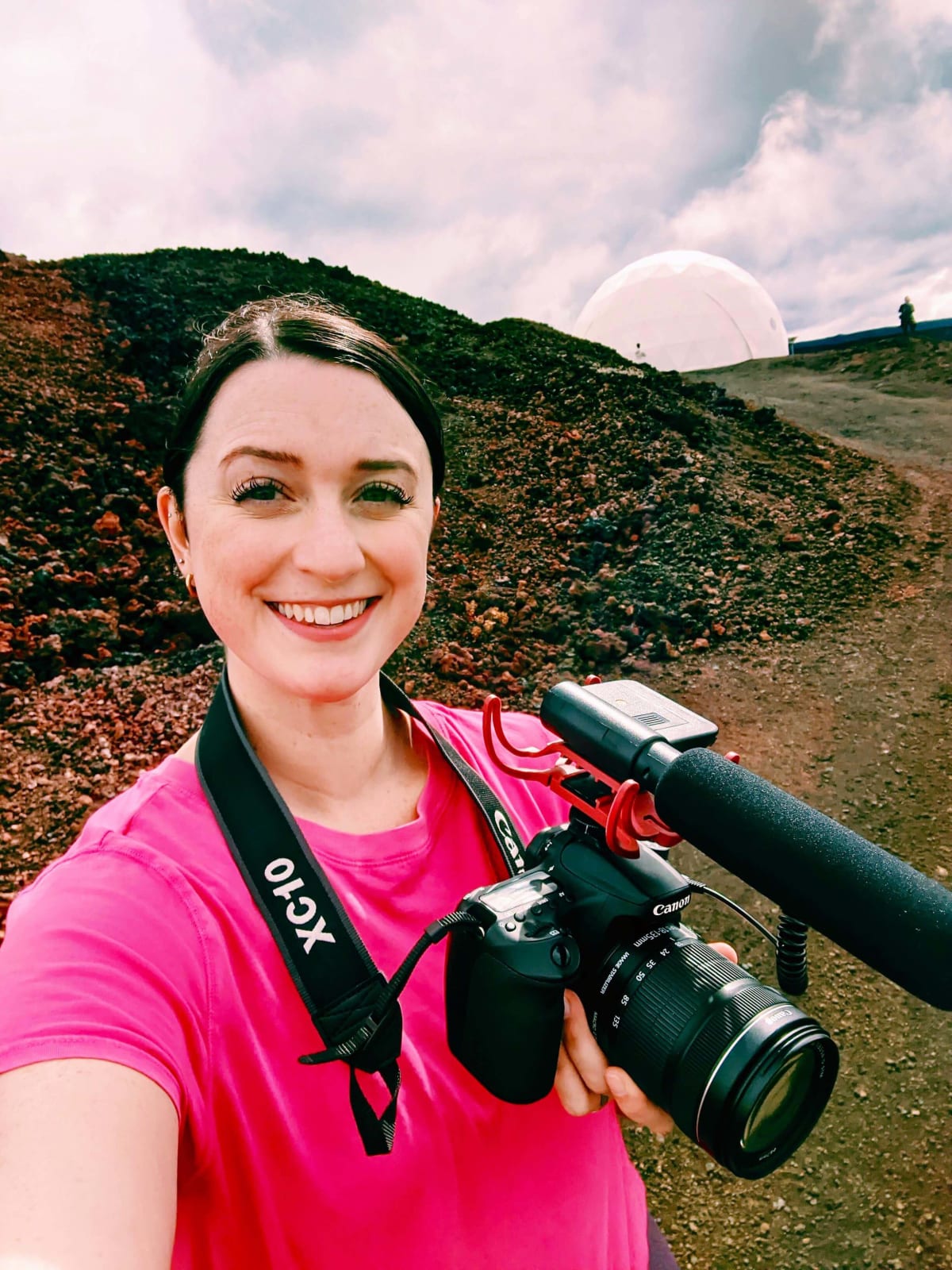
Operation Period, a nonprofit founded by Gen-Z researchers Manju Bangalore and Priya Abiram, will launch the first scientific study of menstruation in microgravity aboard Virgin Galactic in 2027. The two founders will conduct the research themselves during the suborbital flight, becoming some of the youngest South Asian women to travel to space.
The mission addresses a critical blind spot in space medicine. Currently, astronauts typically suppress their periods entirely during spaceflights using hormonal IUDs or birth control pills, but without data showing what menstruation is actually like in space, they're making that choice in the dark.
"I want all menstruators to be able to live life with their full dignity and reach their fullest potential, and that includes astronauts," Bangalore, who has a background in physics and astronomical engineering, told Space.com. She discovered the same gaps her organization tackles on Earth also exist in spaceflight medicine.
The timing matters more than ever. As space agencies plan longer missions and extended lunar stays, understanding how the human body functions in space becomes essential for keeping astronauts healthy and informed about their own bodies.
The Ripple Effect
This research extends far beyond the spacecraft. The data collected will help future astronauts make truly informed choices about their own bodies during missions, whether that means continuing to suppress periods or managing them in space.
Virgin Galactic sees the mission as opening doors to overlooked areas of human health research. "This is a powerful example of how Virgin Galactic can continue to support real-time, in-flight scientific investigation into long-overlooked areas of human health," said Amber Favaregh, the company's director of system analysis and research.
For Bangalore, the mission combines two passions she never expected would intersect. "I've always been fascinated by space and human space exploration," she said. "I didn't think those two missions would ever combine into this."
The research will deliver insights valuable both for space exploration and life on Earth, proving that sometimes the most important scientific questions are the ones we've been too embarrassed to ask.
More Images
Based on reporting by Space.com
This story was written by BrightWire based on verified news reports.
Spread the positivity!
Share this good news with someone who needs it