Virginia Center Masters Care for State's Only Wildcat
Two orphaned bobcat kittens are thriving at a Virginia wildlife center that's become the state's go-to expert for rehabilitating these rare wildcats. The rescue shows how dedicated care can help threatened species survive despite habitat loss.
Two tiny bobcat kittens are getting a second chance at life, thanks to a wildlife center that's perfected the delicate art of raising wild animals without taming them.
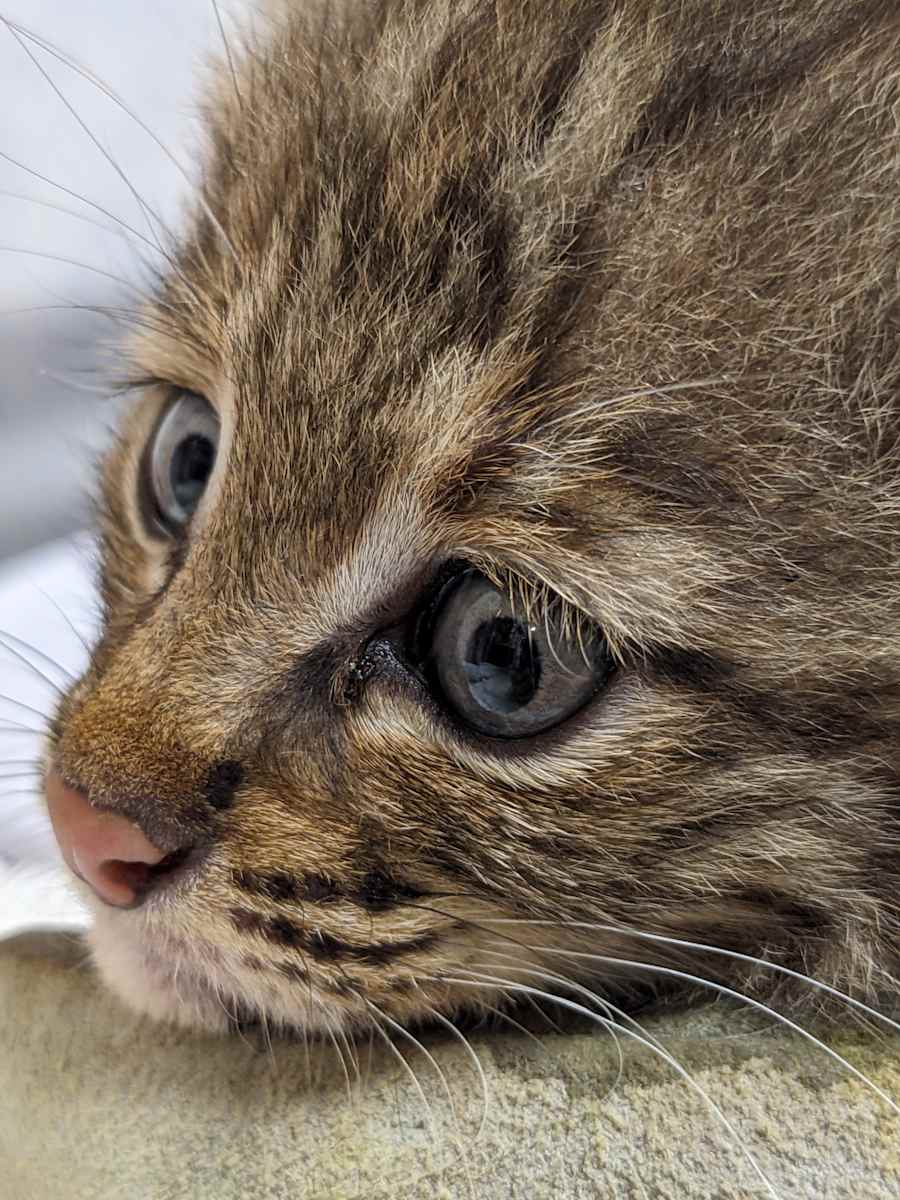
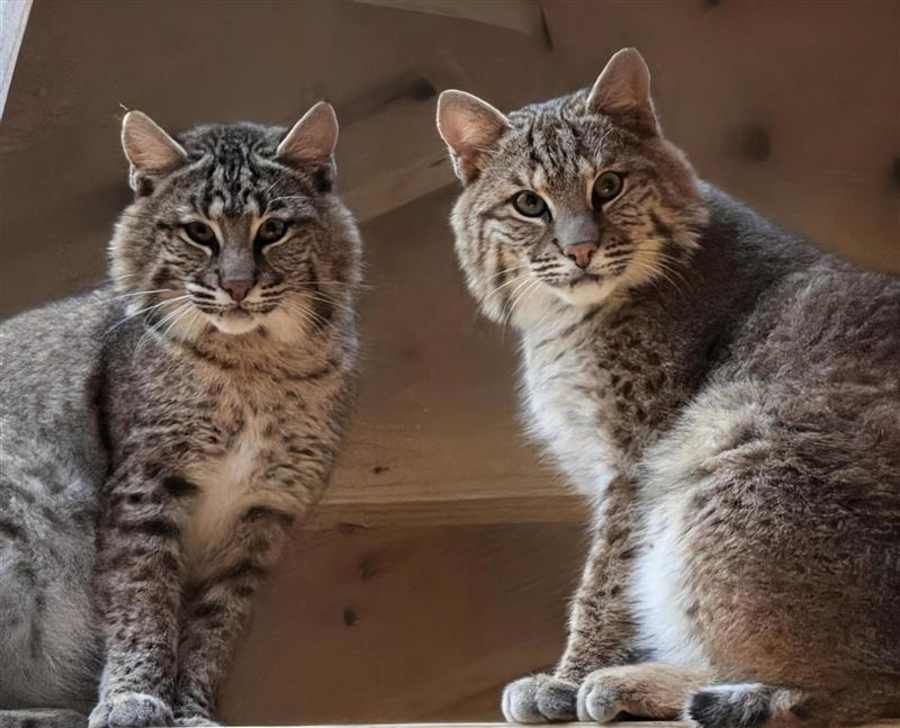
The Southwest Virginia Wildlife Center in Roanoke recently welcomed the orphaned kittens after their mother was likely killed by a car. At just five weeks old, the babies arrived underweight and dehydrated from Lee County, weighing barely over a pound each.
The good news? They're already thriving. Within three days, each kitten gained nearly a quarter pound, bringing them to healthy weights of 640 and 685 grams.
But raising bobcats requires an unusual approach. Virginia's only native wildcat needs to fear humans to survive in the wild, so staff follow strict rules when caring for the kittens.
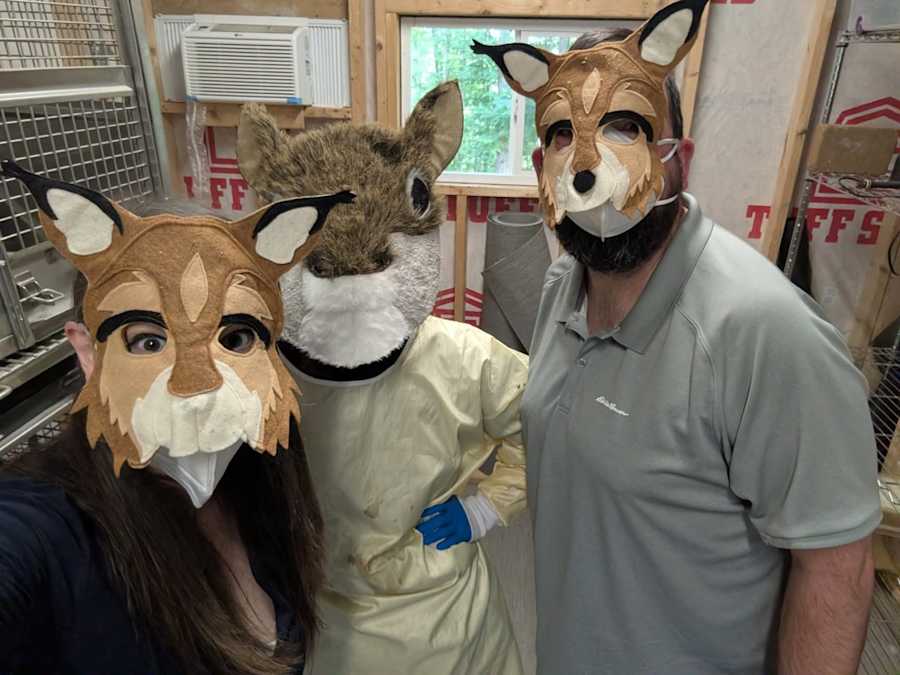
Anyone entering their space must wear masks and stay completely silent. Caregivers even wear bobcat masks to hide their faces, ensuring the kittens never associate people with food or comfort.
"We essentially don't want them to associate people with food," said Katherine McGrath, the center's director of operations. "They lose that fear that they have of us."
That fear is exactly what saved two adult bobcats the center released in Floyd County this April after nearly a year of rehabilitation. The center has become so skilled at bobcat care that they now receive these rare cases from across Virginia.
The current rescue won't be quick or cheap. The kittens will spend roughly 10 months at the center before release next spring, at a total cost exceeding $20,000.
As they grow, each bobcat will eat one whole chicken daily at $10 each. Later, staff will introduce natural prey like quail and rabbits costing $23 per large rabbit, with each kitten consuming at least one per day.
The Ripple Effect
The center's success matters beyond two kittens. Habitat loss and development are pushing bobcats into closer contact with people, making expert rehabilitation more critical than ever.
"As their population declines, as urbanization increases and their habitat declines in size, there's not really a lot of places where we can find these guys," McGrath explained. Receiving bobcat kittens in back-to-back years signals growing pressures on Virginia's wildlife.
What started as a small rescue operation has grown into a full wildlife veterinary hospital with statewide recognition. Executive Director Chester Leonard said the team has become genuine experts in bobcat care, turning what was once a challenge into a welcome tradition.
Right now, bright blue kitten eyes peek out from behind enclosure gates, but if everything goes as planned, those eyes will soon disappear back into Virginia's mountains where they belong.
More Images

Based on reporting by Google News - Wildlife Recovery
This story was written by BrightWire based on verified news reports.
Spread the positivity!
Share this good news with someone who needs it