Virginia Scientists Crack Black Bear Hibernation Mystery
Scientists discovered that black bears rely on both temperature and daylight to know when to hibernate, not just cold weather alone. This breakthrough could help wildlife experts protect bears as climate change disrupts nature's timing.
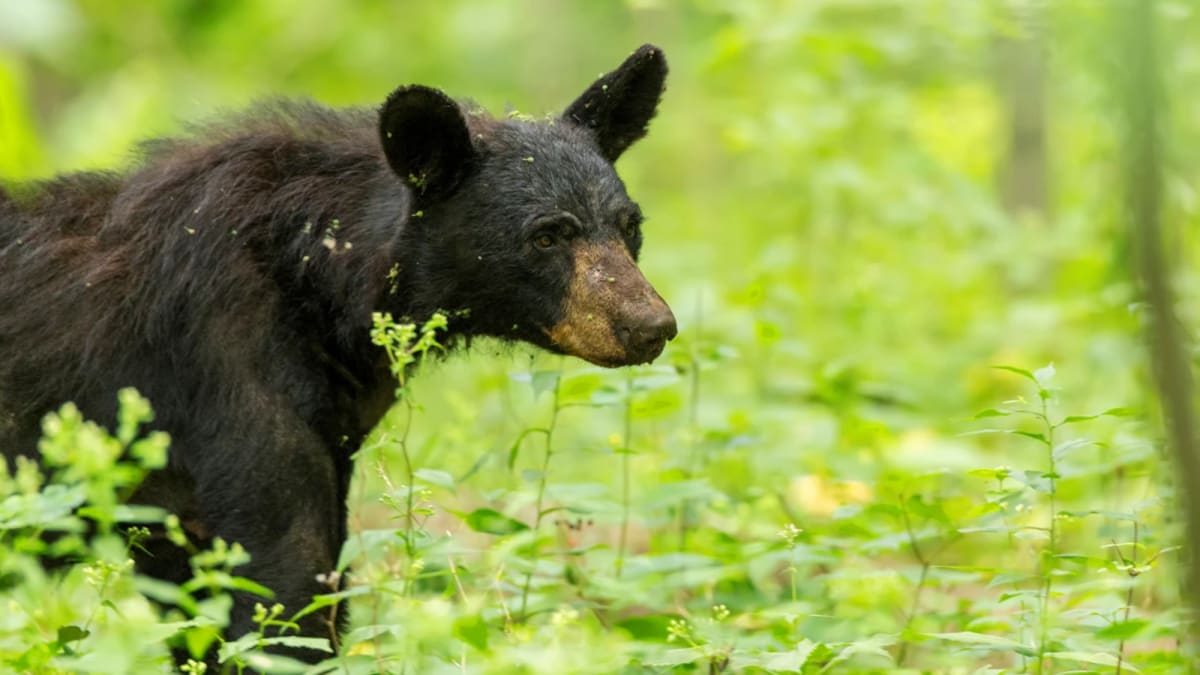
Scientists just solved a puzzle that's been hibernating in their minds for years: how do black bears really know when it's time to sleep through winter?
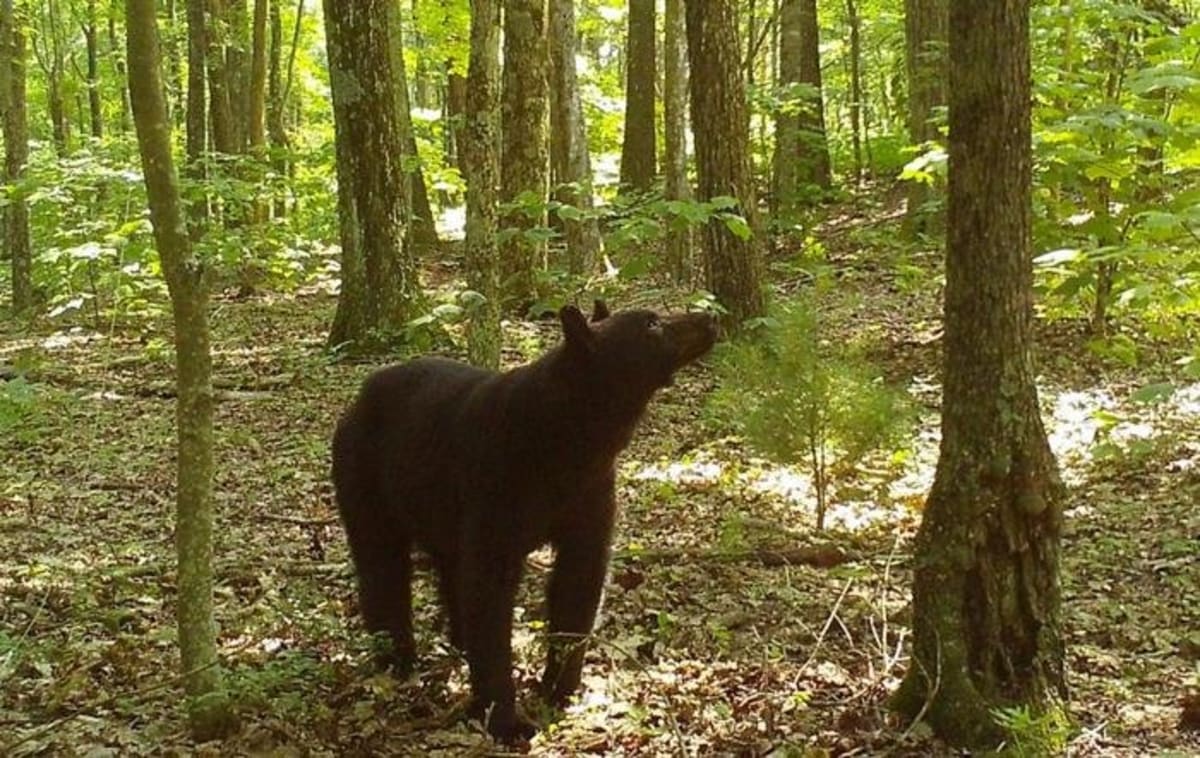
Researchers at Virginia Tech watched more than 22,000 hours of video footage tracking four pregnant female black bears in Virginia. What they found challenges what scientists have believed for decades.
It turns out black bears don't just wait for cold weather to start hibernating. They're reading two signals from nature at once: dropping temperatures and shorter days.
The team cataloged 45 different bear behaviors and matched them with environmental changes throughout the hibernation cycle. Early in the season, temperature alone drove the bears to prepare their dens. But during other critical phases like the big pre-hibernation feast and spring emergence, both temperature and daylight worked together to guide their behavior.
Graduate student Brogan Holcombe, who led the study published in Proceedings of the Royal Society B, calls it an important discovery. No previous research had investigated how these two environmental cues interact to control bear hibernation.
The Ripple Effect
This finding matters far beyond understanding bear behavior. Climate change is warming temperatures faster than daylight patterns can shift, since day length stays constant year after year.
When these natural signals get out of sync, bears might emerge from dens too early or too late. That could disrupt their breeding cycles, change when they interact with other species, and increase encounters with humans in neighborhoods and parks.
Wildlife managers can now use this knowledge to predict how bear populations will respond to warming temperatures in different regions. Better predictions mean better protection strategies for both bears and the communities that share their habitat.
The research team emphasizes that understanding the relationship between what a bear's body tells it and what the environment signals is crucial for preparing for climate impacts. As temperatures rise in bear country, mismatches between their internal clocks and external cues could become more common.
The more scientists understand about how animals navigate their world, the better equipped we are to help them thrive through changes ahead. This breakthrough gives conservationists a roadmap for supporting black bear populations as their environment shifts beneath their paws.
More Images

Based on reporting by Google News - Scientists Discover
This story was written by BrightWire based on verified news reports.
Spread the positivity!
Share this good news with someone who needs it