Virginia Tech Finds Genetic Detour for Brain Disorders
Scientists discovered a therapy that helps brain cells bypass genetic damage instead of fixing it, opening new hope for treating conditions like schizophrenia and autism. The approach works like taking a detour around fallen trees rather than clearing the original road.
Scientists at Virginia Tech just discovered that sometimes the best way to fix a genetic problem is to work around it entirely.
Researchers at the Fralin Biomedical Research Institute found that an antioxidant therapy helps brain cells overcome a genetic deletion linked to schizophrenia and autism. Instead of repairing the missing genes, the treatment activates different genes that guide neurons to develop normally anyway.
The study focused on 22q11.2 deletion syndrome, which affects one in every 2,000 to 4,000 births. It's the second most common genetic deletion disorder and one of the strongest known risk factors for schizophrenia in humans.
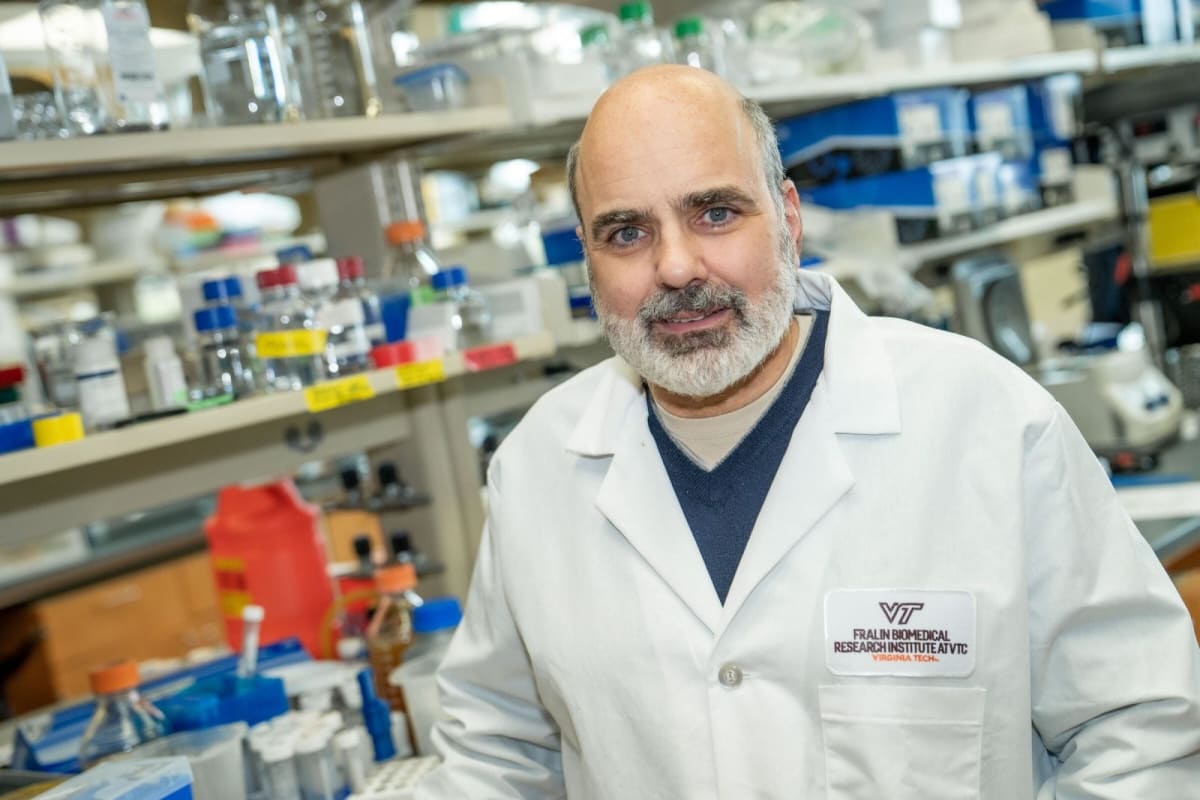
Professor Anthony LaMantia and his team used mice with the genetic deletion to test whether reducing oxidative stress could help brain development. They treated the mice with N-acetyl cysteine (NAC), an antioxidant that crosses into the brain easily.
The results surprised everyone. The therapy didn't restore the disrupted genes at all. Instead, it activated a completely different network of genes that helped neurons grow healthy connections.
"Think of it as a detour around a network of winding roads where several trees have fallen," LaMantia explained. "The detour still gets you to your destination even though the original route remains blocked."
The treatment strengthened the branch-like extensions on neurons that receive signals from other brain cells. It also improved mitochondria health and boosted connections between neurons. Mice that received the therapy performed better on learning tasks that depend on those brain circuits.
Why This Inspires
This discovery challenges how scientists think about treating genetic brain disorders. For years, researchers assumed they had to restore every disrupted gene to its normal state. This study proves there's another way.
Gene networks are remarkably flexible. When one route gets blocked, the brain can sometimes take an alternate path to reach the same destination. The key is finding therapies that engage that natural flexibility instead of fighting against the genetic damage.
The approach could help millions of people affected by genetic brain conditions. Rather than trying to correct specific genetic disruptions that might be impossible to fix directly, doctors may be able to help the brain compensate using its own backup systems.
While more research is needed before human trials can begin, the findings point toward treatments that work with the brain's natural resilience rather than against its limitations.
Sometimes the smartest solution isn't fixing what's broken but finding a better route forward.
More Images
Based on reporting by Google News - Researchers Find
This story was written by BrightWire based on verified news reports.
Spread the positivity!
Share this good news with someone who needs it