Visible Mending Movement Turns Worn Clothes Into Art
People are ditching fast fashion shame by showing off their clothing repairs with colorful stitching and decorative patches. This creative trend has racked up 56 million views on TikTok and could slash textile waste by extending garment lifespans.
Your favorite jeans just ripped at the knee, and instead of tossing them, you're about to turn that tear into a colorful work of art.
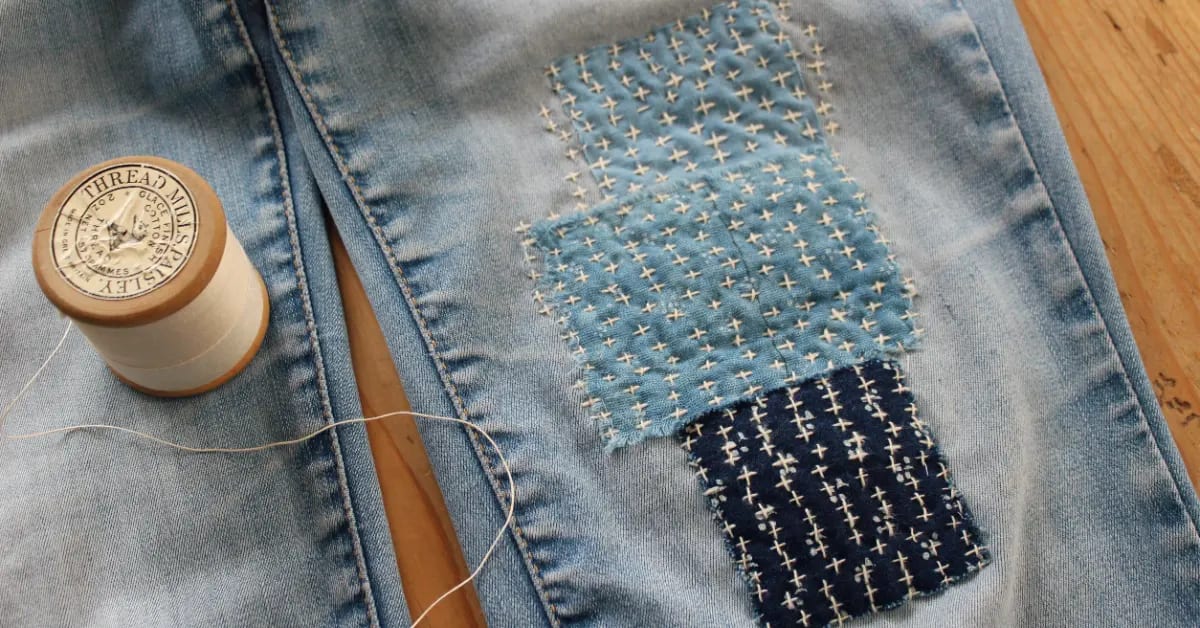
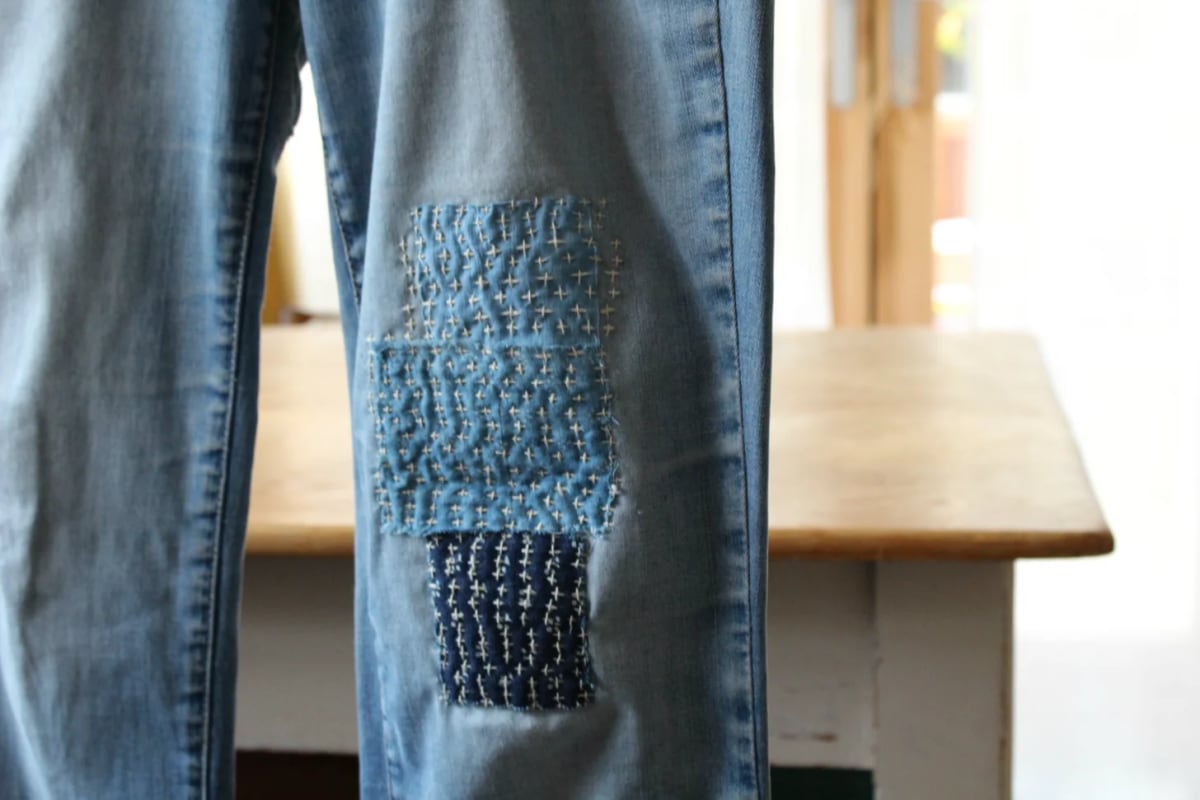
Welcome to visible mending, a movement transforming how we think about damaged clothing. People worldwide are repairing holes and worn patches with bright embroidery, decorative stitching, and eye-catching patches that celebrate the fix rather than hide it.
The numbers behind this shift are staggering. Most clothes get worn just seven to ten times before landing in the trash, contributing to 92 million tonnes of textile waste each year. But extending a garment's life by just nine months can reduce its carbon, water, and waste footprints by up to 20%.
For centuries, visible repairs carried stigma, marking wearers as poor or struggling. People darned socks out of wartime necessity and tried to make fixes invisible. Now, repair has become a badge of honor.
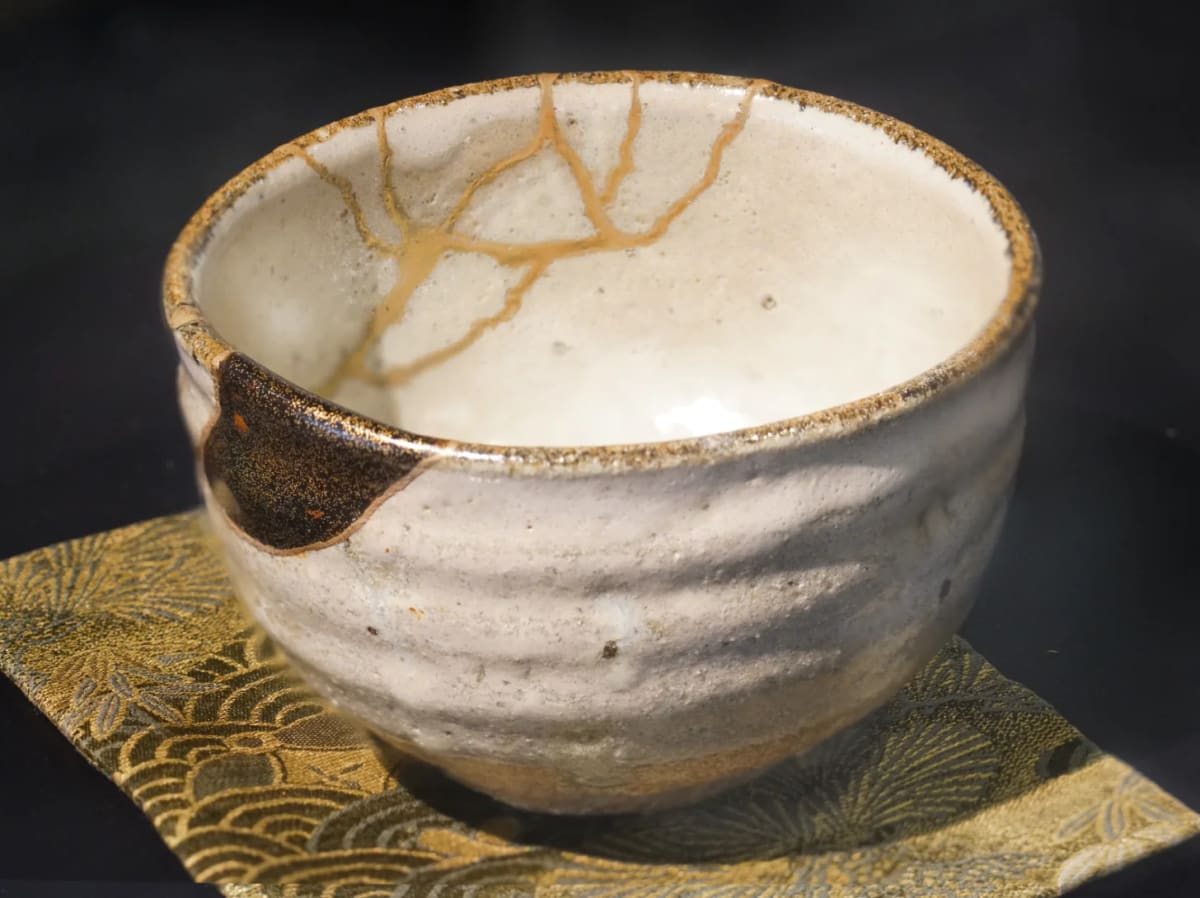
The movement draws inspiration from Japanese traditions like kintsugi, where broken pottery gets mended with gold-decorated lacquer that highlights the damage as part of the object's story. Similarly, sashiko embroidery uses running stitches to strengthen fabric while adding beautiful geometric patterns.
Social media has supercharged the trend. The hashtag VisibleMending boasts over 56 million TikTok views, with creators posting "mended haul" videos instead of the typical fast fashion shopping sprees.
Brands are catching on too. Second Cashmere in Glasgow sells mending kits and offers both visible and invisible repair services for cashmere headed to landfill. Patagonia provides repair kits, spare parts, and video tutorials through their Worn Wear program, encouraging customers to wear their patches with pride.
Why This Inspires
This isn't just about saving money or the planet. Visible mending transforms consumers from passive shoppers into active creators who extend the lives of their belongings. Each colorful stitch becomes a personal statement of creativity and values, turning what was once a mark of shame into something worth celebrating. Researchers note these repairs demonstrate character and resistance to throwaway culture while building deeper connections between people and their possessions.
A ripped shirt is no longer trash but a canvas waiting for its next chapter.
More Images


Based on reporting by Good Good Good
This story was written by BrightWire based on verified news reports.
Spread the positivity!
Share this good news with someone who needs it