Vision AI Makes Construction Robots Work Safely With Humans
Construction sites are getting robotic helpers, but keeping workers safe around autonomous machines requires a new kind of artificial intelligence that watches everything at once. Vision AI is becoming the invisible safety net that lets humans and robots build together without accidents.
📺 Watch the full story above
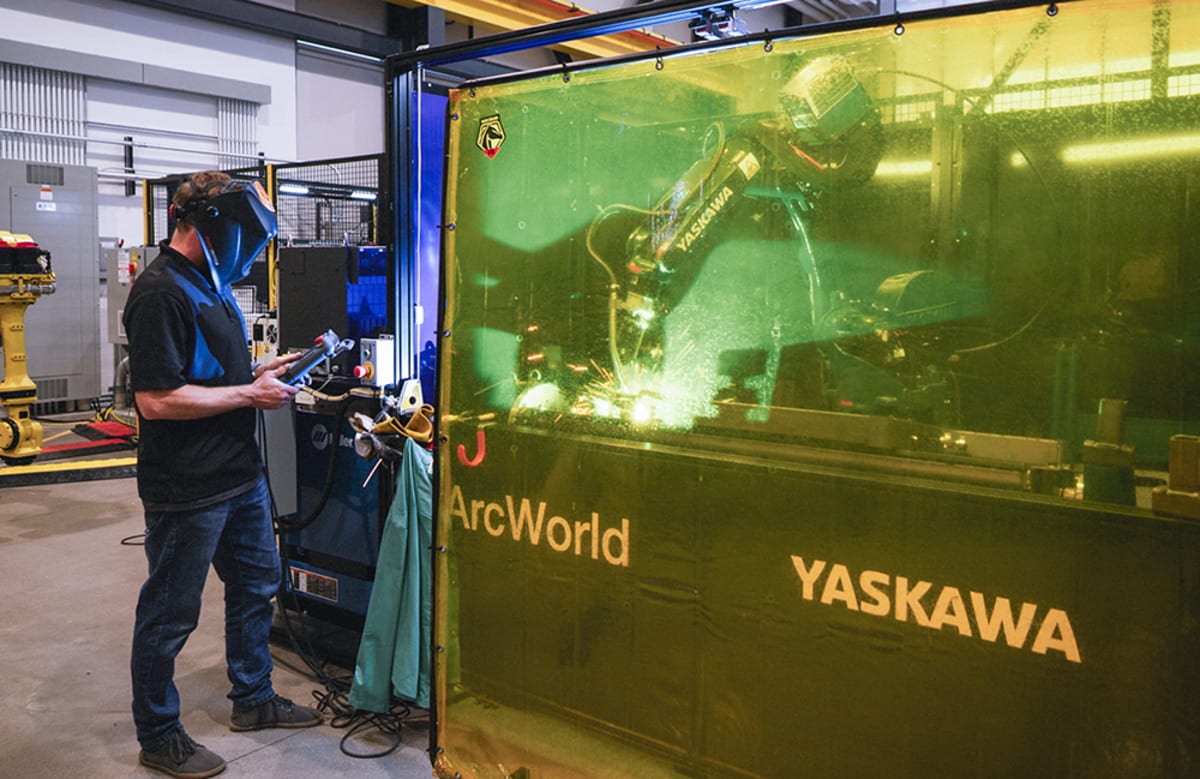
Construction robots are no longer science fiction. Autonomous compactors reshape ground, robotic systems measure with perfect precision, and drones inspect dangerous heights that used to require scaffolding and risk.
The global construction robotics market is racing toward $3.66 billion by 2030. But there's a catch that most people don't see coming.
The real challenge isn't making robots smarter. It's keeping workers alive while they share the same space with machines that never get tired, never look over their shoulder, and can't guess when someone's about to do something unpredictable.
Picture this: an autonomous compactor rolls along its programmed path while a worker dashes in to grab a dropped wrench. The robot hasn't malfunctioned. It's doing exactly what it was told to do. But in those three seconds, a routine workday could turn deadly.
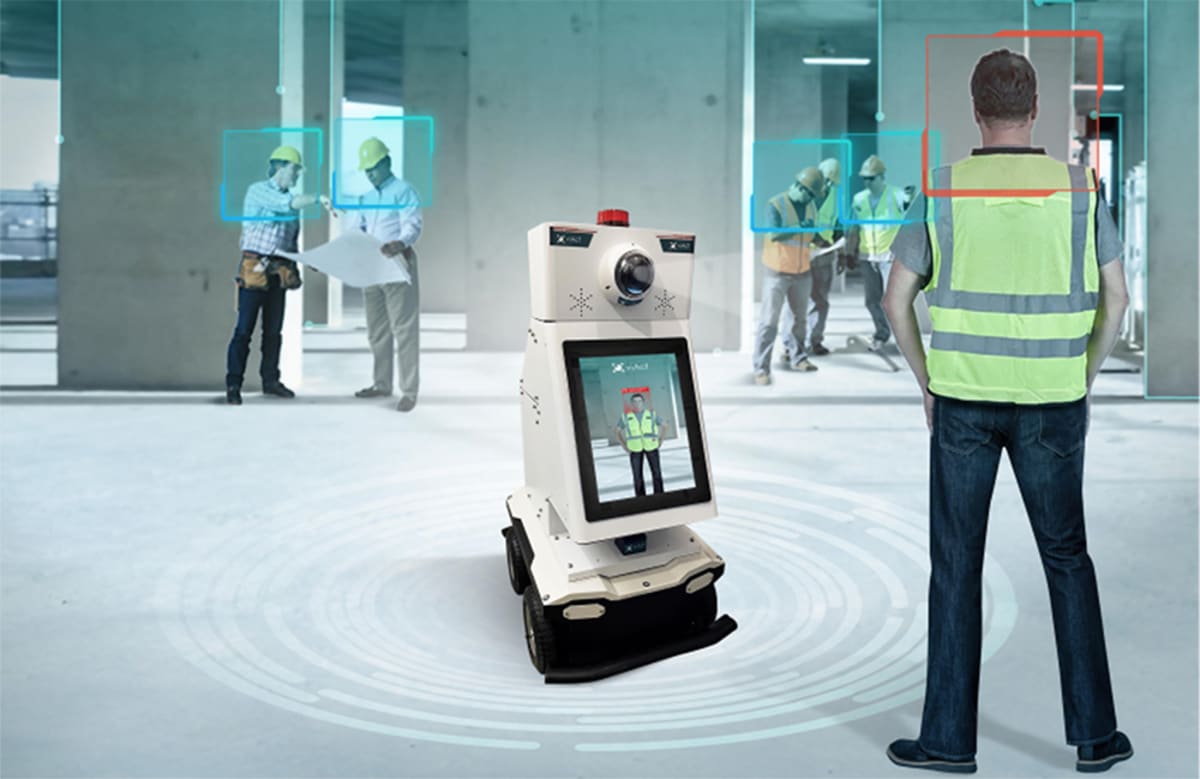
That's where vision AI changes everything. Unlike the sensors built into each robot, which only see what's directly around them, vision AI watches the entire construction site at once. It uses existing security cameras, drone footage, and even mobile patrol robots to understand how everyone and everything is moving together.
These aren't just cameras recording footage. They're analyzing in real time, understanding when a worker enters a danger zone, when equipment paths cross, or when conditions change faster than any human supervisor could track.
Consider that struck-by incidents kill over 100 U.S. construction workers every year, mostly involving vehicles and moving equipment. Autonomous robots won't get distracted or impatient like human operators, but they also lack the instinct to notice when someone stepped behind a pile of rebar.
The newest vision AI systems go even further. They combine multiple data sources, understand context, and can trigger safety responses within seconds without waiting for information to travel to distant servers and back.
A centralized dashboard gives supervisors one clear view of the entire site instead of dozens of separate camera feeds. They can see how workers, robots, vehicles, and equipment interact as it happens, not after someone reports a close call.
Why This Inspires
This technology represents something bigger than just safer construction sites. It's proof that we can welcome automation without sacrificing human safety.
The construction industry is solving one of the hardest puzzles in robotics: how to blend cutting-edge machines with unpredictable human workers in constantly changing environments. They're not choosing between progress and people. They're building systems that protect both.
As autonomous machines become normal across more industries, construction is showing everyone else how to do it right. The robots aren't replacing workers or putting them at risk. They're getting an AI guardian angel that never blinks, never takes a break, and never stops watching out for the humans who still do the real building.
More Images


Based on reporting by The Robot Report
This story was written by BrightWire based on verified news reports.
Spread the positivity!
Share this good news with someone who needs it