Vision-Restoring Chip Approved in Europe for the Blind
A tiny chip implanted in the eye is giving blind people their sight back, allowing them to read novels, draw pictures, and solve puzzles again. Europe just approved the device for sale, with U.S. approval potentially coming soon.
Imagine losing your ability to read, recognize loved ones' faces, or see the world clearly, then getting it all back through a chip smaller than a fingernail.
That's exactly what's happening for patients with age-related macular degeneration, thanks to a device called PRIMA from Science Corporation. Europe's medical regulator just approved the vision-restoring chip for sale, and the U.S. Food and Drug Administration has fast-tracked it for review.
Age-related macular degeneration affects millions worldwide by destroying light-sensitive cells at the back of the eye. The condition makes everyday tasks like reading and facial recognition nearly impossible.
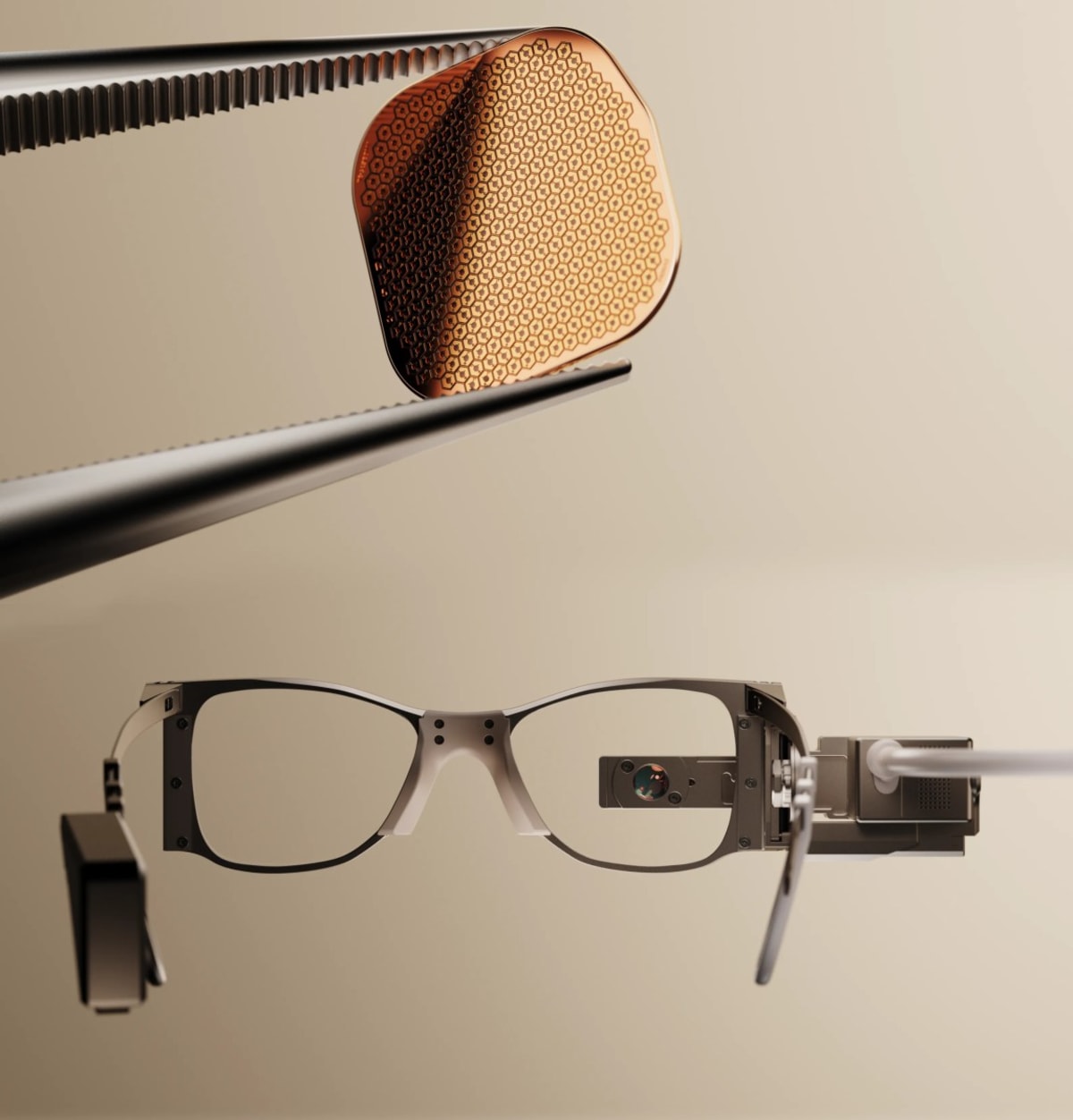
The PRIMA device works through a simple one-hour outpatient procedure. Doctors implant a tiny chip in the back of the patient's eye, and the person wears special camera-equipped glasses that beam images directly to the chip.
The results speak for themselves. One patient in France recently finished reading a 300-page novel and mailed the book to the company. Another drew a detailed sketch of the Sydney Opera House, now hanging on Science Corp.'s wall. Videos show patients filling out crossword puzzles and completing Sudoku grids.
"The product gives functional vision to people who have lost it," says Max Hodak, Science Corp.'s founder and CEO. Hodak previously co-founded Neuralink before leaving in 2021 to start Science Corporation.
The company acquired French firm Pixium in 2024 after determining they had developed the best technology for restoring vision. Science Corp. then refined the product and prepared it for regulatory approval.
The Ripple Effect
Germany will see the first PRIMA procedures as early as September, where clinical trials were originally held. Each device costs hundreds of thousands of dollars, and Science Corp. is working with European healthcare providers on reimbursement plans.
The company isn't stopping with current capabilities. They're developing an improved chip and sleeker glasses that won't require a separate battery pack. The goal is creating something similar to Meta's AR glasses, though PRIMA's power requirements are more demanding.
Science Corp. is also partnering with Yale Medical School to develop bio-hybrid brain sensors for future trials. But getting PRIMA to market remains the top priority, as revenue from the vision business will fund development of these advanced technologies.
For people who thought they'd never see clearly again, the future is literally looking brighter.
More Images


Based on reporting by TechCrunch
This story was written by BrightWire based on verified news reports.
Spread the positivity!
Share this good news with someone who needs it