Volcano Eruption Reveals New Way to Break Down Methane
The 2022 Tonga eruption accidentally destroyed a potent greenhouse gas through a chemical reaction never before seen in the stratosphere. Scientists can now track methane removal from space, opening doors for future climate solutions.
A massive volcanic eruption in 2022 didn't just reshape the stratosphere. It showed scientists an entirely new way to fight climate change.
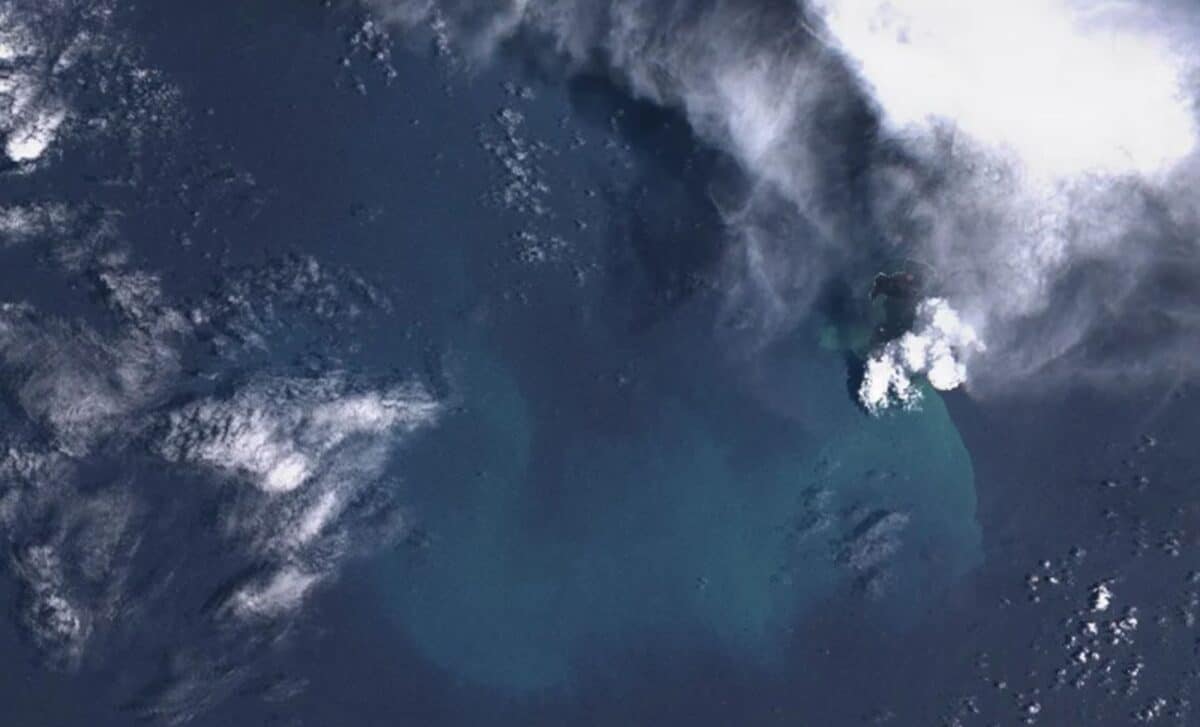
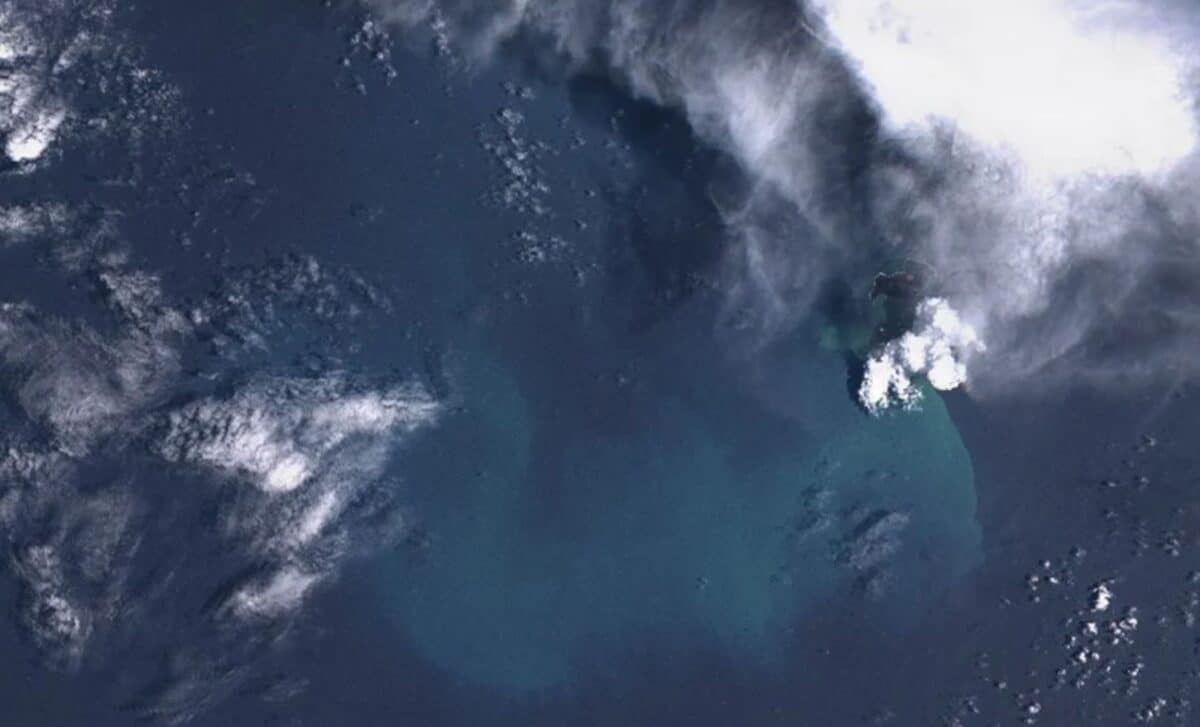
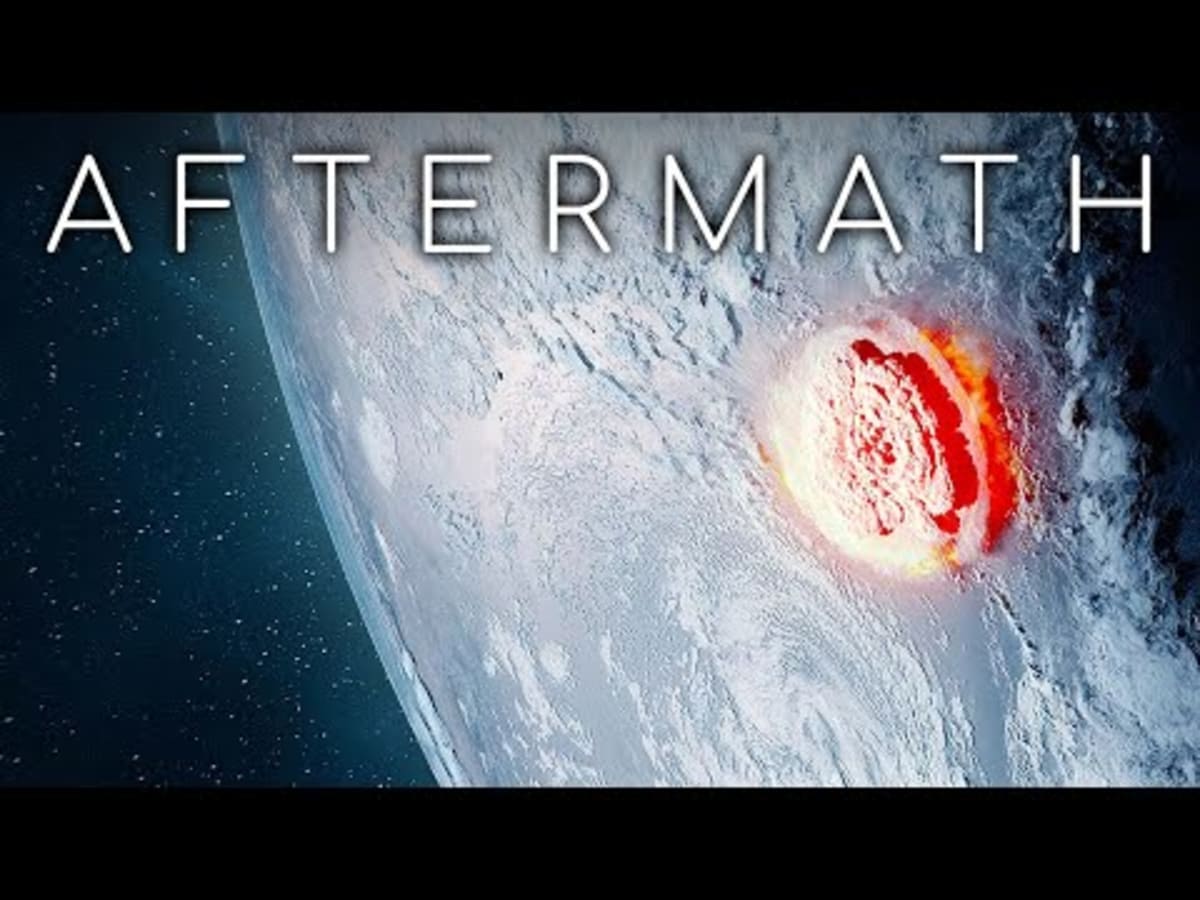
When Hunga Tonga-Hunga Ha'apai erupted beneath the South Pacific in January 2022, it blasted material 55 kilometers into the sky, creating one of the most powerful eruptions in modern history. Hidden within that chaos was a chemical surprise: the volcanic plume was actively destroying methane, a greenhouse gas 80 times more potent than carbon dioxide.
European researchers discovered the breakthrough by analyzing satellite data from the eruption cloud. They detected unusually high concentrations of formaldehyde, a telltale sign that methane molecules were breaking apart inside the plume.
The process involved an unexpected trio: iron-rich volcanic ash, seawater salt launched into the stratosphere, and ultraviolet sunlight. Together, these elements created reactive chlorine particles that attacked and dismantled methane molecules floating in the atmosphere.
Scientists had seen similar chemistry happen closer to Earth's surface, where Saharan dust mixes with ocean spray over the North Atlantic. But nobody expected it to work in the stratosphere, where temperature, pressure, and chemical conditions are completely different.
"What is new and completely surprising is that the same mechanism appears to occur in a volcanic plume high up in the stratosphere, where the physical conditions are entirely different," said Professor Matthew Johnson of the University of Copenhagen.
The formaldehyde signal lasted at least ten days and traveled as far as South America. Because formaldehyde normally breaks down within hours, its persistence proved that methane destruction was happening continuously, not just once.
The volcanic plume destroyed about 900 metric tons of methane per day. That sounds impressive, but the eruption itself released at least 330,000 metric tons of methane into the upper atmosphere, so the volcano didn't come close to cleaning up after itself.
Why This Inspires
The real breakthrough isn't about volcanoes saving the planet. It's about proving that large-scale methane removal can be detected and measured from orbit.
"How do you prove that methane has been removed from the atmosphere? How do you know your method works?" said Dr. Jos de Laat of the Royal Netherlands Meteorological Institute. "Here we address that problem by showing that methane breakdown can in fact be observed using satellites."
This satellite detection method could verify future efforts to deliberately remove methane from the atmosphere. Companies and researchers exploring methane reduction technologies have struggled with one fundamental question: how do you prove it's actually working at a global scale?
The discovery also means scientists need to update how they calculate Earth's methane budget, the accounting system that tracks how much methane enters and leaves the atmosphere each year. Iron-bearing dust particles haven't been included in those calculations before, which means previous estimates might be off.
Whether this chemical process could ever be replicated safely and deliberately remains an open question requiring much more research. But for the first time, we have a proven way to watch methane disappear from our atmosphere in real time.
More Images

Based on reporting by Google News - Science
This story was written by BrightWire based on verified news reports.
Spread the positivity!
Share this good news with someone who needs it