Volunteers Build Beaver Dams to Restore Rio Grande Flow
Twenty volunteers trekked into New Mexico's Jemez Mountains to build artificial beaver dams that could help keep the Rio Grande flowing year-round. After the river ran dry in Albuquerque from June through September, this grassroots effort aims to change the future.
The Rio Grande through Albuquerque has been bone dry since June, but a group of determined volunteers thinks they've found a solution inspired by nature's best engineers.
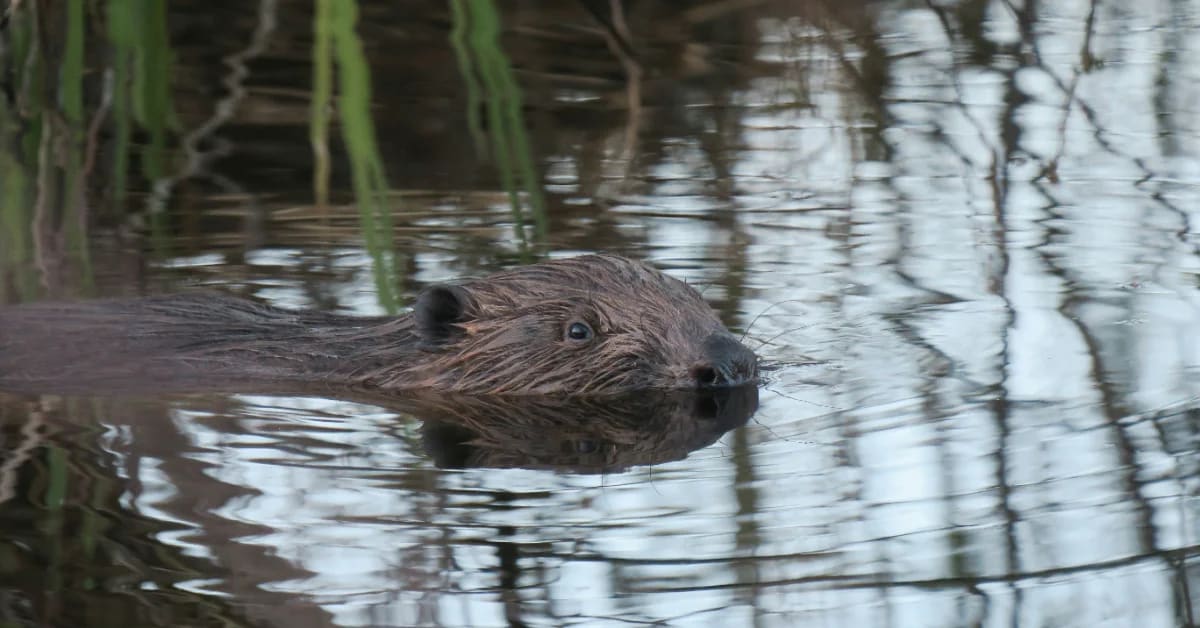
Last week, Rio Grande Return brought 20 volunteers to the Rio Cebolla in the Jemez Mountains to build beaver dam analogs. These human-made structures mimic real beaver dams, designed to hold water in mountain streams longer and send a steady trickle downstream to the Rio Grande.
The nonprofit hopes these simple wooden structures will have an outsized impact. By slowing water as it flows through mountain tributaries, the dams allow more moisture to soak into the ground instead of rushing away during spring runoff.
"This work benefits people all the way down in Southern New Mexico, because everything is connected," volunteer Susan Harrelson said. She's right. The Rio Grande flows 1,900 miles from Colorado to the Gulf of Mexico, and when upstream tributaries dry up, communities downstream feel the impact.
The timing couldn't be more critical. The Rio Grande only flowed through Albuquerque for a few days in early September after being completely dry since June. That's becoming the new normal as climate change and increased water demand strain Western rivers.
Beaver dam analogs work by forcing water to slow down and spread out. This creates wetlands that store water like a natural sponge, releasing it gradually throughout the year instead of all at once. Real beavers do this naturally, but in areas where beaver populations have declined or can't establish themselves, humans can step in.
The Ripple Effect
These volunteers weren't just thinking about keeping the river flowing. Organizers say the increased moisture retention could also help future wildfire response efforts in the area. Wetter landscapes are more resilient to fire, and having water stored in the watershed gives firefighters more resources during emergencies.
The beauty of this solution is its simplicity. Using readily available materials like logs, rocks, and wooden posts, volunteers can build structures that work with nature rather than against it. It's the kind of hands-on conservation work that creates immediate results while building long-term resilience.
Twenty people spent one day building dams that could benefit millions downstream. That's the power of community action meeting smart environmental strategy.
More Images


Based on reporting by Google: volunteers help
This story was written by BrightWire based on verified news reports.
Spread the positivity!
Share this good news with someone who needs it