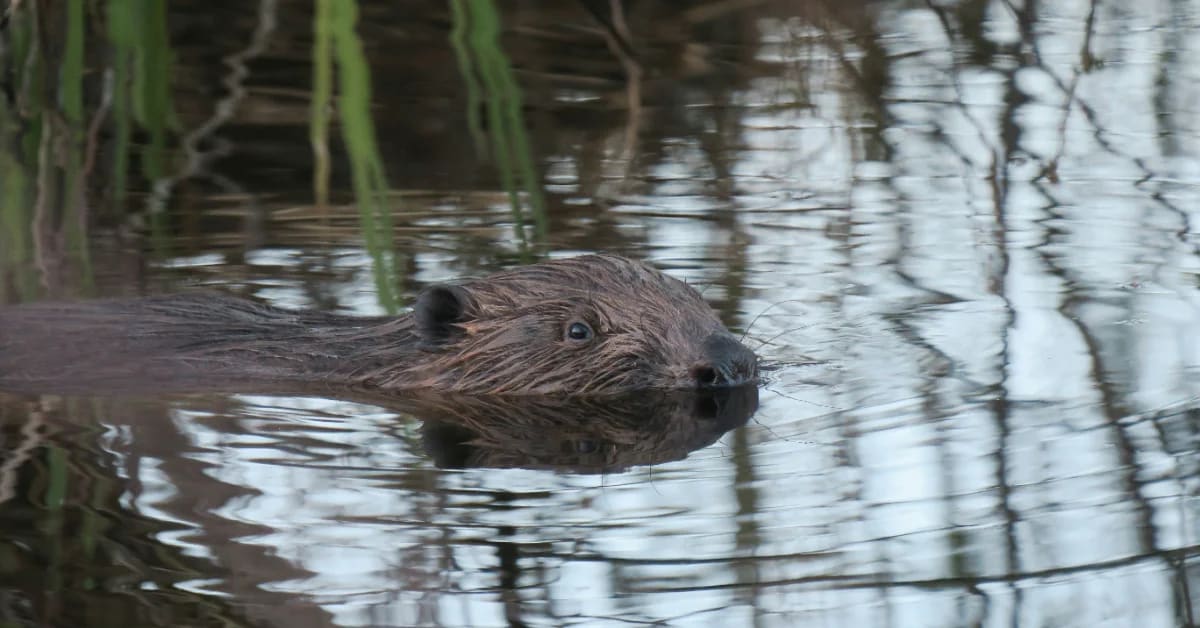
Beavers Store 6 Million Gallons in Devon Wetlands
Six years after being reintroduced to Britain, beavers are creating natural water storage systems that could help prevent droughts. Their dams and wetlands are keeping landscapes green while surrounding areas turn brown and dry.
While most of Somerset turned brown and dusty last summer, one corner of the Holnicote estate stayed bright green. The secret? Beavers that were reintroduced just six years ago have transformed a small stream into a thriving wet meadow.
These furry engineers are making a comeback after being hunted to extinction in Britain 500 years ago. Now they're showing us how nature can help solve modern water problems.
Beavers don't just build dams for fun. They fell small trees, dig channels, and reshape entire valleys. Water backs up behind their structures, spills across the land, and soaks deep into the soil. The result is a network of ponds, channels, and marshes that act like a giant sponge.
A 2008 Canadian study tracked one landscape for 54 years after beavers returned. During the driest year studied, areas with beavers had nine times more open water than those without them.
British research tells the same hopeful story. In Devon, researchers found that just 13 beaver dams stored around 264,000 gallons of additional water. More recent work across four beaver territories discovered wetlands holding over 6 million gallons.
These aren't just pretty ponds. The stored water keeps vegetation green and healthy during dry spells. That matters more than ever as wildfires become a growing concern in Britain.
A 2020 study of five western U.S. wildfires found something remarkable. Streamside vegetation in beaver areas was three times less affected by fire than comparable spots without beavers. Wet, green plants simply don't burn as easily.
The Ripple Effect
Norfolk just welcomed its first beaver kits in over 500 years. Two wild beavers mysteriously appeared on the River Wensum and started a family. While some suspect an illegal release, the moment highlights growing momentum for proper beaver reintroduction programs.
England now requires licenses and management plans for any wild beaver releases. That's important because beaver engineering can sometimes flood farmland or block culverts. The goal isn't to put beavers everywhere, but to place them strategically where they can help most.
Scientists envision a "welly belt" across Britain. That's a connected network of wetland areas where needing waterproof boots is seen as a feature, not a problem. Beaver wetlands could form the backbone of this system, working alongside restored peatlands, ponds, and marshes.
We've spent centuries draining Britain's landscape. Now these industrious rodents are showing us how to put that water back and keep it where we need it most.
More Images


Based on reporting by Good Good Good
This story was written by BrightWire based on verified news reports.
Spread the positivity!
Share this good news with someone who needs it