Volunteers Drive 5,000 Miles to Save Injured Birds
Faith Davis keeps towels and containers in her car, ready to rescue injured birds at a moment's notice. She's one of 100 volunteers who form an emergency response network, giving thousands of injured birds a fighting chance at recovery.
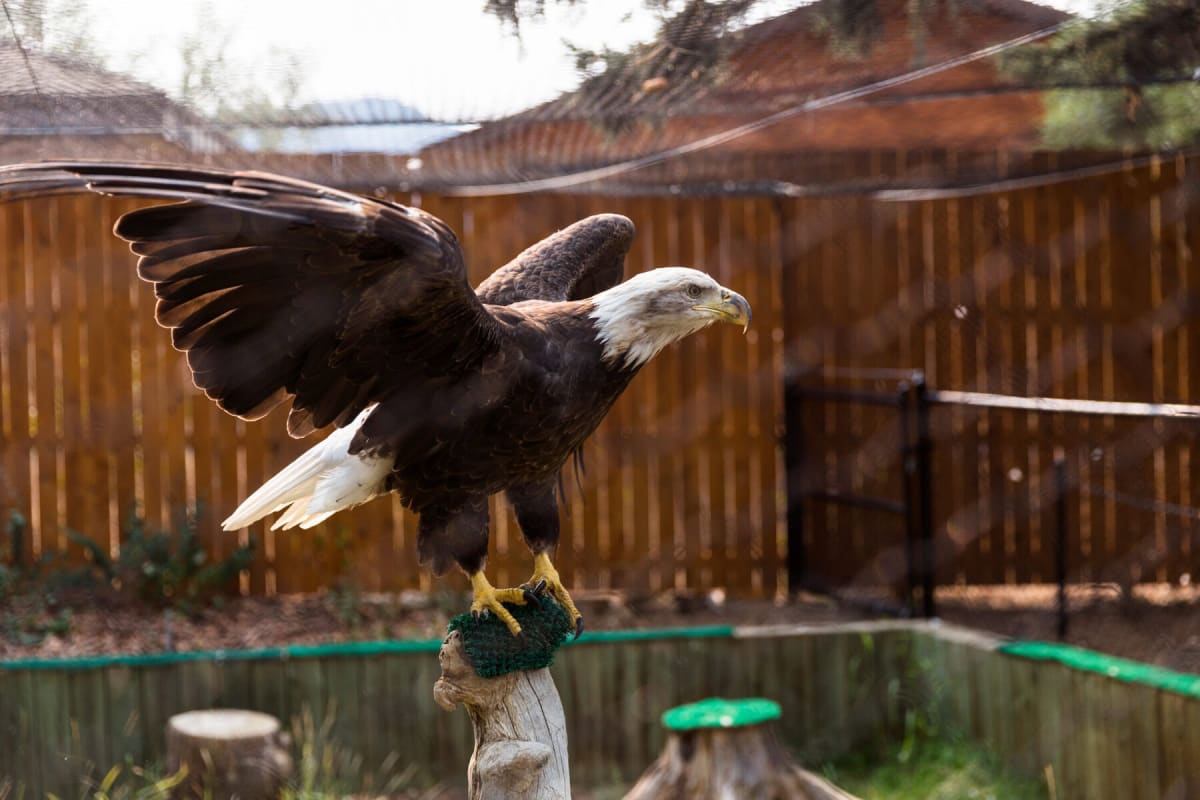
When Faith Davis heard a persistent thump-thump-thump from her trunk, she knew her passenger had woken up. Inside a container with air holes, a juvenile bald eagle was recovering consciousness after being electrocuted on a power line.
Davis is part of something special: a nationwide network of trained volunteers who drop everything to rescue injured birds. These avian emergency responders drive hours to collect eagles, owls, songbirds, and hummingbirds, then transport them safely to rehabilitation centers.
The need is urgent. More than a billion birds die each year in North America from collisions with buildings alone. Habitat loss, car strikes, and even house cat attacks add to the toll.
Wildlife rehabilitation centers like Vermont Institute of Natural Science face a major challenge: getting injured birds into care quickly enough to save them. That's where volunteers like Davis make all the difference.
VINS manages a roster of about 100 trained transporters across Vermont, New Hampshire, and eastern New York. When someone reports an injured bird hours away from the clinic, rehabilitators call nearby volunteers who can respond.
"If we didn't have volunteers, it would be very, very difficult to actually get that bird care," says VINS avian rehabilitator Celia Reinhardt. The center treats more than 1,000 wild birds each year.
Similar networks operate across the country, from Minnesota to Alabama to Hawaii. In Washington state, Spokane Audubon's volunteers drove 5,000 miles in 2023 alone, responding to 249 bird emergencies.
The work requires specific skills. Volunteers learn to throw sheets over birds to capture them safely, wear protective gear against talons and beaks, and keep birds in dark, quiet containers to minimize fatal stress.
Davis keeps her rescue kit ready: old towels, sheets, and containers in various sizes. Four years ago, she decided to volunteer after visiting VINS with her granddaughter. The flexible schedule fit perfectly around her IT job.
Sunny's Take
What makes this story shine is the quiet dedication of people like Davis, who rearrange their days to give injured birds a second chance. They're not professional wildlife experts. They're IT workers, retirees, and bird lovers who simply refuse to look away when nature needs help.
That eagle Davis transported? It arrived at the clinic agitated but alive, burn marks already healing. Thanks to one volunteer's willingness to drive an hour and a half, it got the care it needed to recover and return to the wild.
More Images




Based on reporting by Reasons to be Cheerful
This story was written by BrightWire based on verified news reports.
Spread the positivity!
Share this good news with someone who needs it