Volunteers Preserve Women's History by Decoding Cursive
As cursive fades from classrooms, AmeriCorps volunteers at Bowling Green State University are racing to decode handwritten letters and diaries before future historians lose the ability to read them. Their work transforms forgotten women's stories into searchable digital archives.
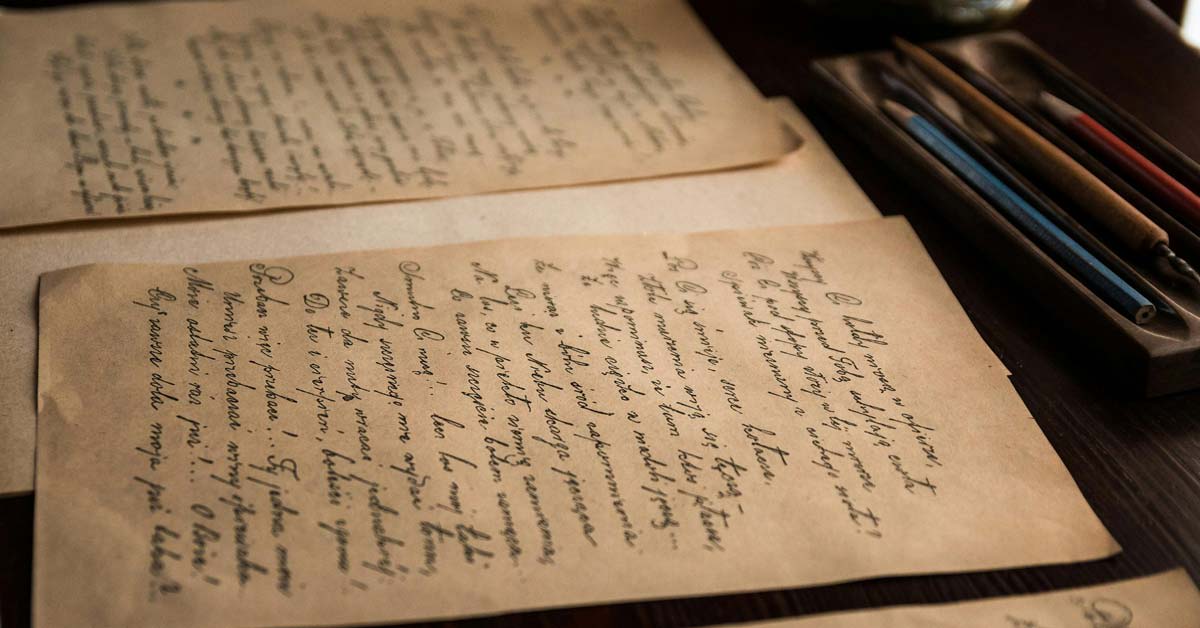
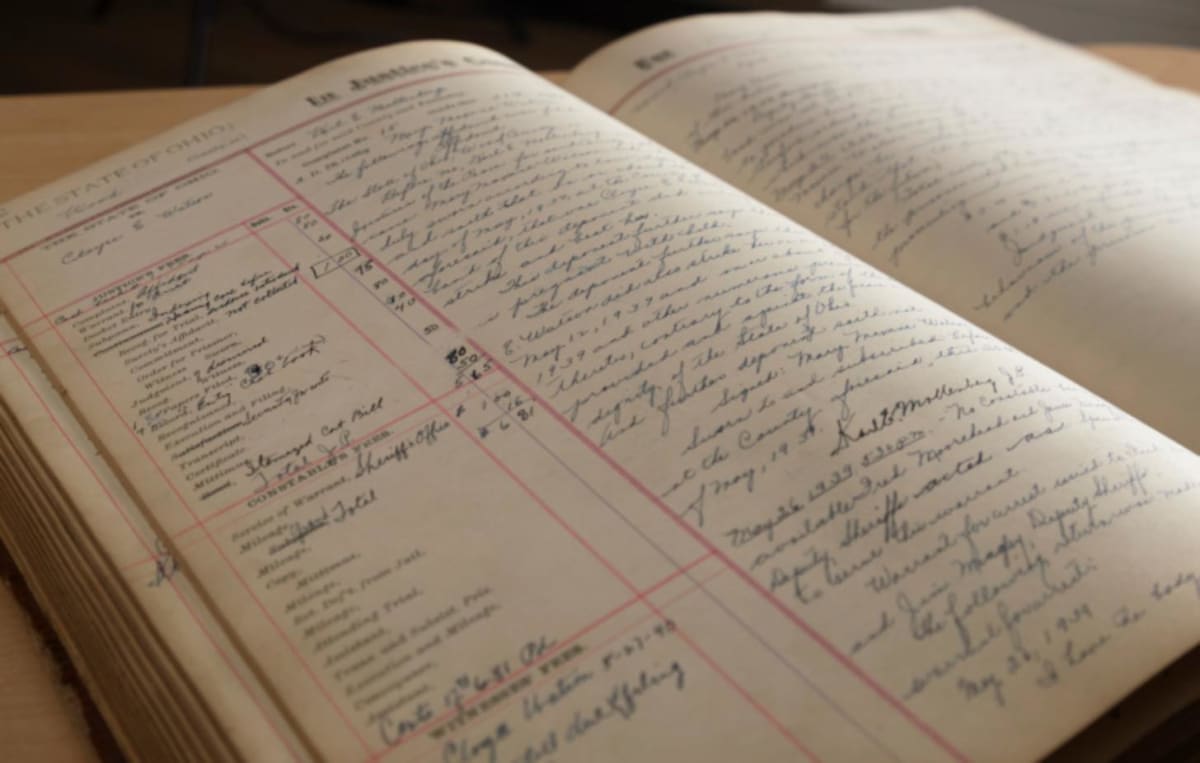
Hundreds of handwritten letters, diaries, and journals sit in university archives across America, holding intimate glimpses into women's lives from decades past. But there's a problem: fewer people can read them.
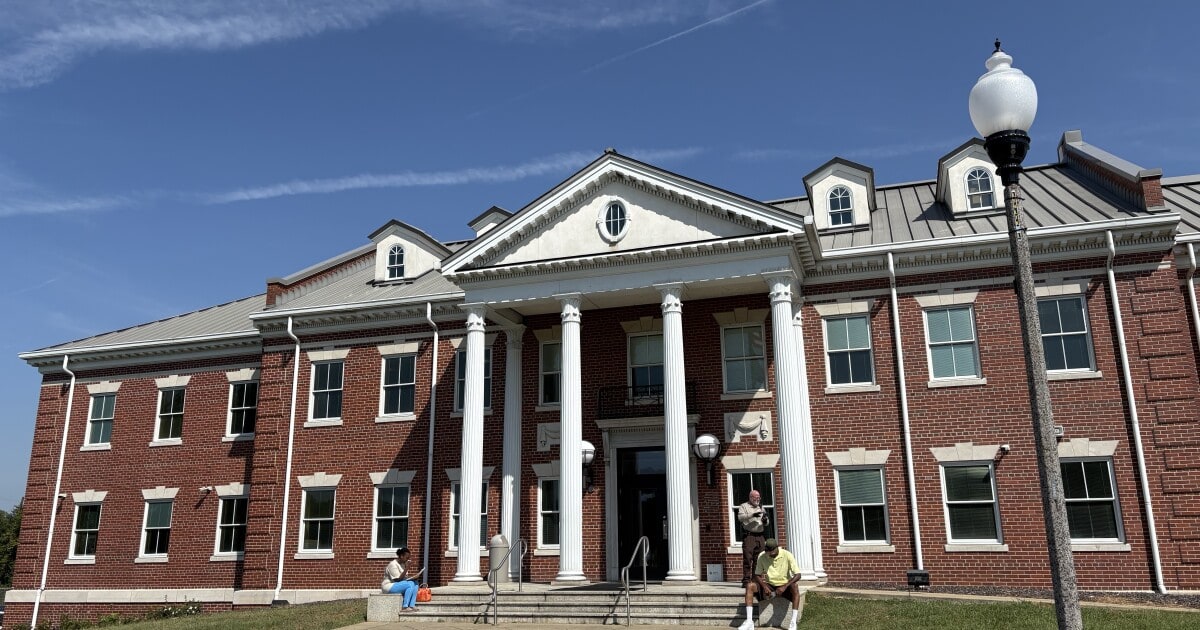
AmeriCorps volunteers at Bowling Green State University have launched "Cursive for a Cause" to solve this challenge. They gather regularly to translate cursive handwriting from historical documents into typed text, preserving stories that might otherwise be lost to time.
The documents reveal everyday moments that textbooks often miss. Some contain heartfelt letters between mothers and children. Others hold recipes passed down through generations or financial records showing how women managed households.
"That's another aspect of history that shouldn't be forgotten," volunteer Cecilia Seibert told BG Independent News. As cursive disappears from school curriculums nationwide, the ability to decode these handwritten treasures becomes increasingly rare.
The work isn't always simple. Some handwriting is messy, punctuation is missing, and old ink has faded. But volunteers arrive with laptops ready and reading glasses on, determined to bridge the gap between past and future.
The Ripple Effect
The project does more than preserve individual stories. By creating digital transcripts, volunteers make these documents searchable online for the first time. Researchers who once struggled with hard-to-read cursive can now access these materials instantly.
"I think it's important to digitize these things to make them accessible to everyone," volunteer Rob Snyder explained. The transcripts support public history projects and help communities connect with their roots.
The initiative shines a light on voices often overlooked in traditional historical records. Women's everyday experiences, captured in their own handwriting, now have a chance to inform future generations about real life in earlier eras.
One small effort to decode old handwriting is opening doors to stories we almost forgot to save.
More Images

Based on reporting by Good Good Good
This story was written by BrightWire based on verified news reports.
Spread the positivity!
Share this good news with someone who needs it