Wales Gets Two Floating Wind Farms to Test New Tech
Two demonstration wind farms off the Welsh coast just secured official lease agreements, each testing cutting-edge floating technology that could unlock clean energy in deeper waters worldwide. These 100-megawatt projects represent a major step toward making floating offshore wind commercially viable.
Wales is about to become a testing ground for the future of offshore wind energy, and the technology proven here could power coastal cities around the world.
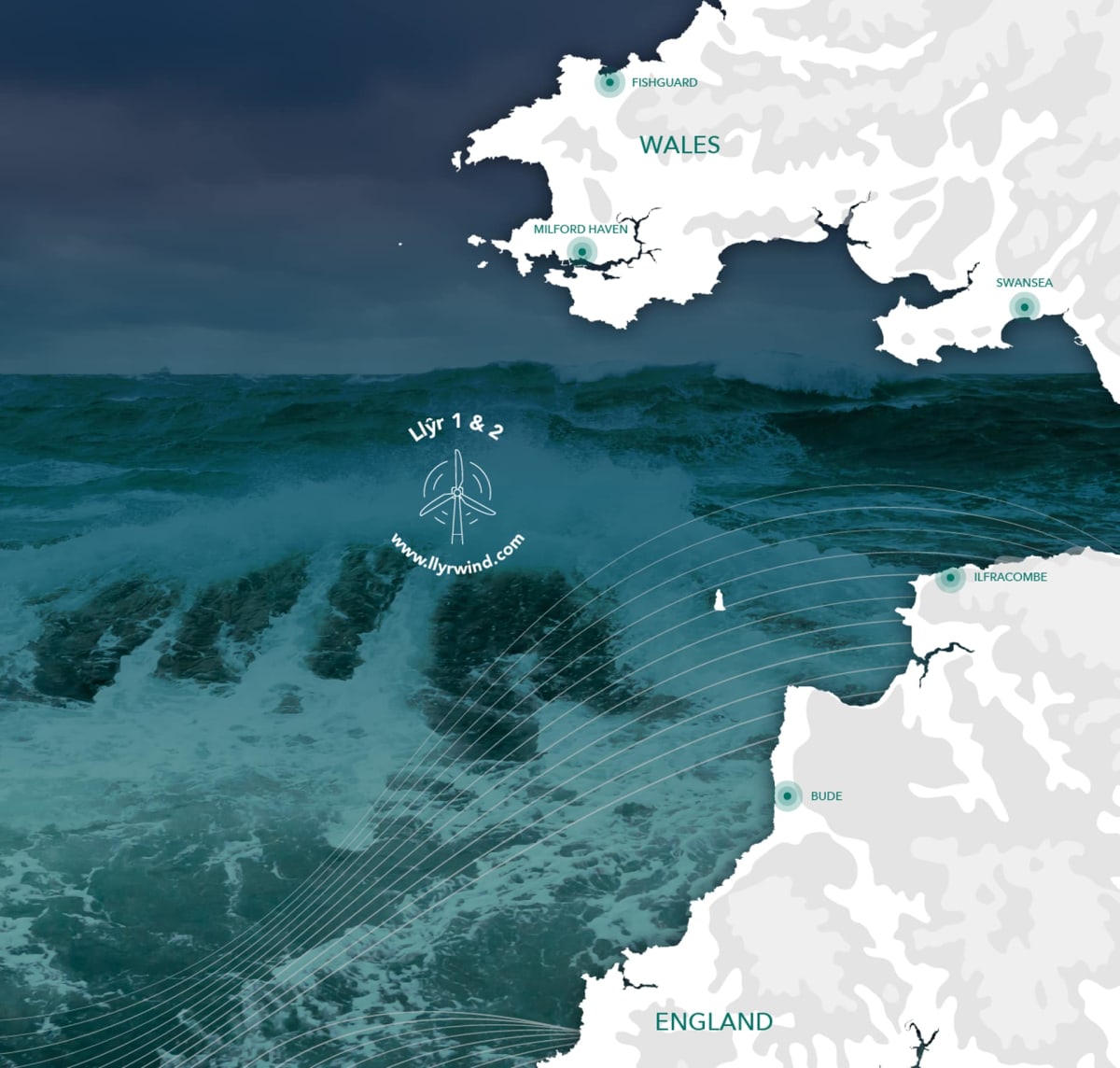
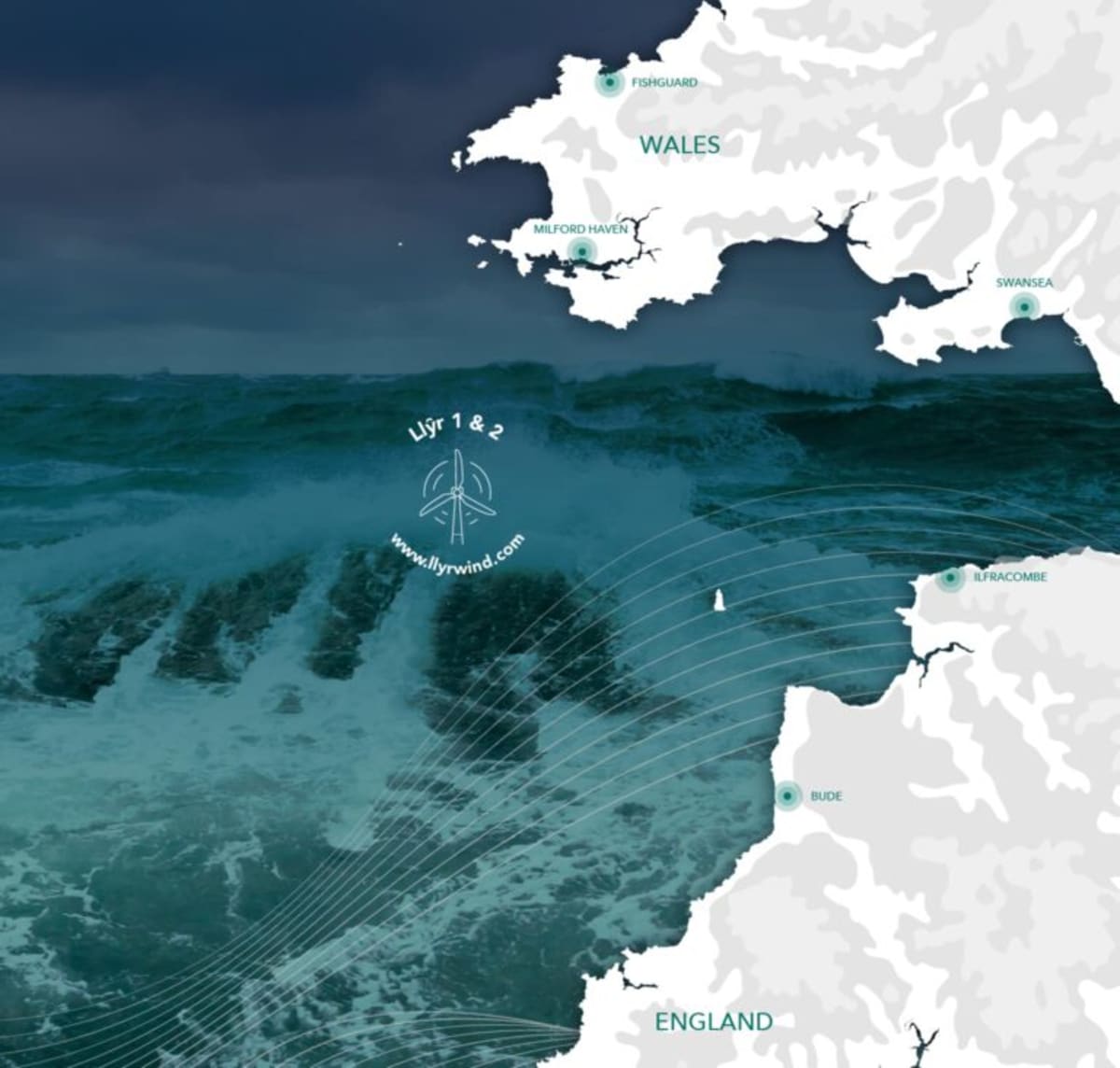
Cierco Energy just signed an Agreement for Lease with the Crown Estate for two demonstration wind farms called Llŷr 1 and Llŷr 2, located about 25 miles off the Pembrokeshire coast. Each project will generate 100 megawatts of clean electricity using six to eight turbines mounted on floating platforms in waters 200 feet deep.
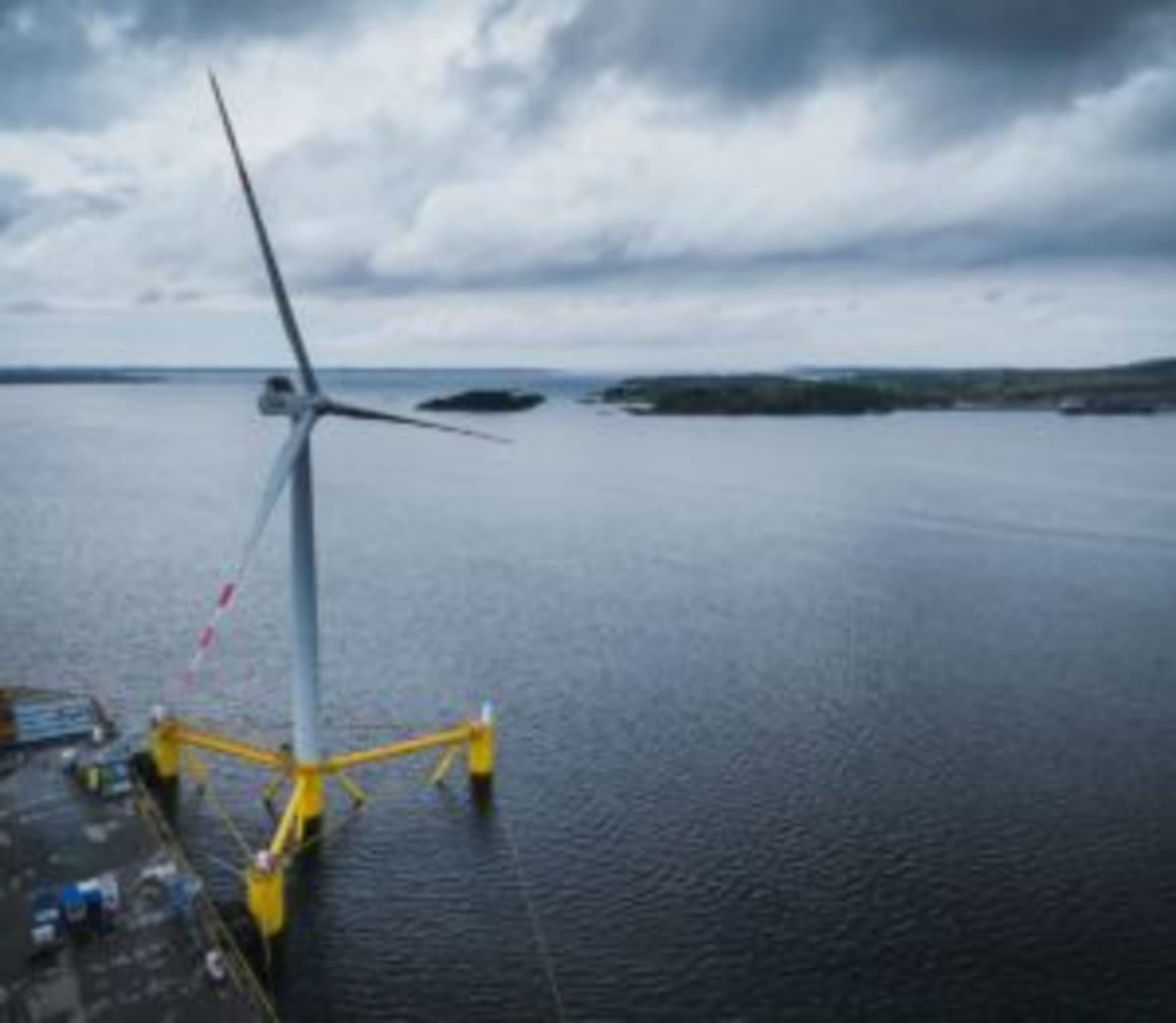
What makes these projects special is that each will test different types of floating wind technology. Traditional offshore wind turbines are bolted to the seafloor, which only works in shallow waters. Floating platforms unlock access to deeper ocean areas where winds blow stronger and more consistently.
One of the sites may use PelaFlex technology from Marine Power Systems, an innovative floating foundation design that could reduce costs and improve stability. The other will test a competing approach, giving engineers real-world data on which systems work best in challenging ocean conditions.
The projects were selected back in 2021 as part of the Crown Estate's push to develop early commercial-scale floating wind in the Celtic Sea. After years of planning and public consultation, the lease agreement moves them significantly closer to construction.
The Ripple Effect
These demonstration projects aren't just about clean energy. They're creating a new industry from the ground up in Wales and beyond.
Scott Harper, Managing Director at Cierco Energy, emphasized that successful delivery of the Llŷr projects will catalyze "a world-class industrial ecosystem spanning offshore fabrication, engineering, advanced manufacturing and technology exports." That means jobs in ports, factories, and engineering firms supporting this emerging sector.
The technology proven in these Welsh waters could be exported globally. Countries with deep coastlines like Japan, the United States, and Norway are watching floating wind developments closely as they seek to expand renewable energy without geographic limitations.
For local communities in Pembrokeshire, the projects represent economic opportunity alongside environmental progress. The construction and maintenance of floating wind farms require port facilities, marine services, and skilled workers, potentially revitalizing coastal economies.
These aren't the massive multi-gigawatt wind farms that will eventually power millions of homes, but that's precisely the point. By testing innovations at demonstration scale first, engineers can identify problems and optimize designs before committing billions to full commercial deployment.
The future of offshore wind is learning to float, and Wales is leading the way.
More Images

Based on reporting by Google News - Wind Energy
This story was written by BrightWire based on verified news reports.
Spread the positivity!
Share this good news with someone who needs it