Wales Seed Bank Saves 160 Species From Extinction
Two conservationists are racing across Wales to collect and freeze wild plant seeds before they disappear forever. Their work has already brought extinct species back to life.
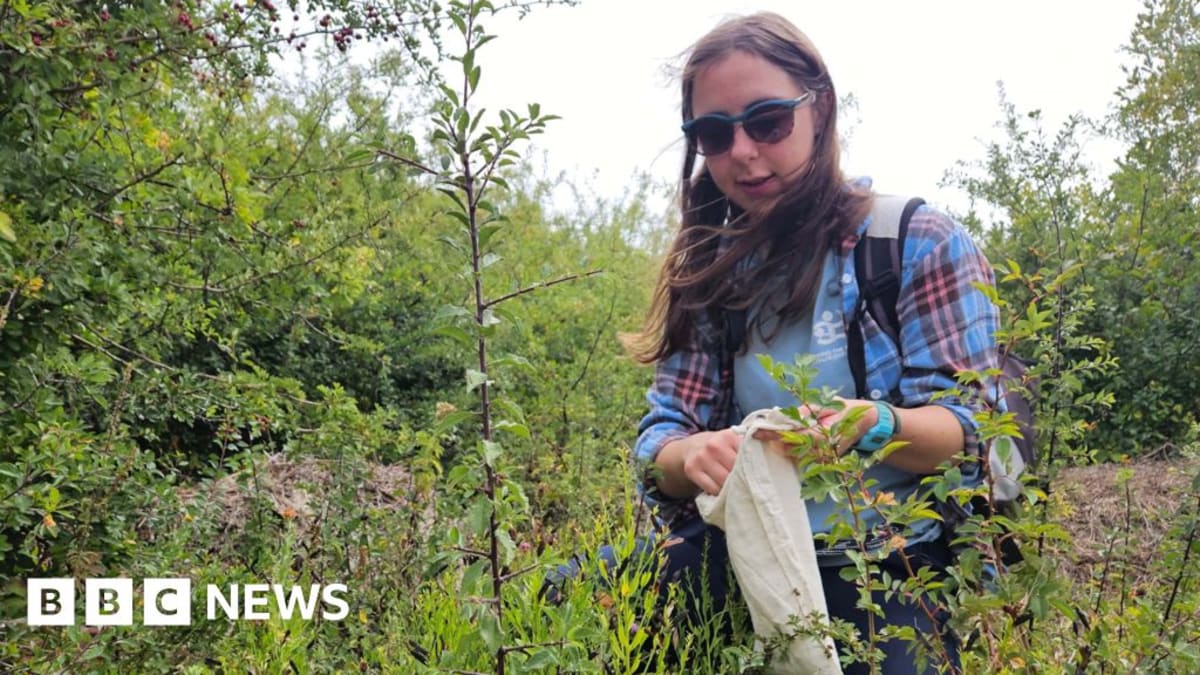
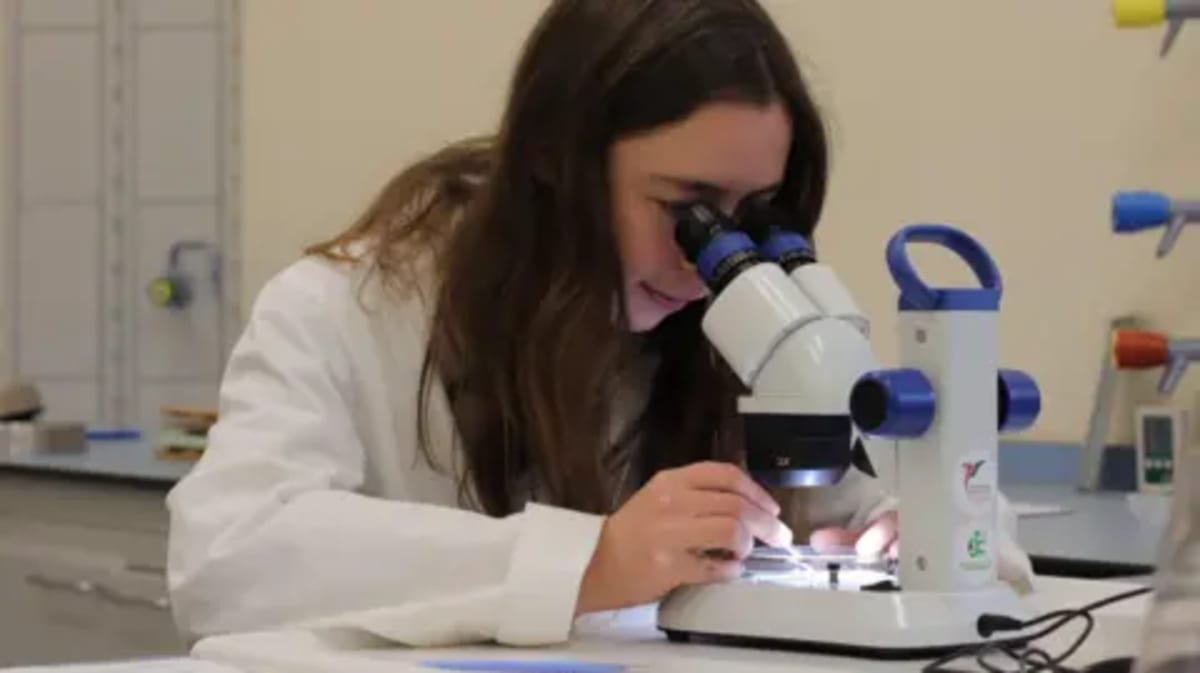
Ellyn Baker and Kevin McGinn spend their summers chasing plants across Wales with cotton bags and a mission: save every native species before it's too late.
The duo runs Wales' seed bank at the National Botanical Gardens in Carmarthenshire, where humming freezers hold silver packets containing 160 different plant species. These aren't just backup copies. They're literal lifelines that have already restored species wiped out in the wild.
When a landslide at Southerndown destroyed one of only three populations of Shore Dock, one of the world's rarest dock species, the seeds Baker and McGinn had collected brought it back. The species lives again because two people showed up at the right moment with bags and determination.
Wales has about 60 plant species found nowhere else on Earth. If they vanish here, they vanish everywhere. One in six Welsh plants currently faces extinction, and losing them means losing the insects that depend on them, the crops those insects pollinate, and the soil health that keeps communities safe from floods.
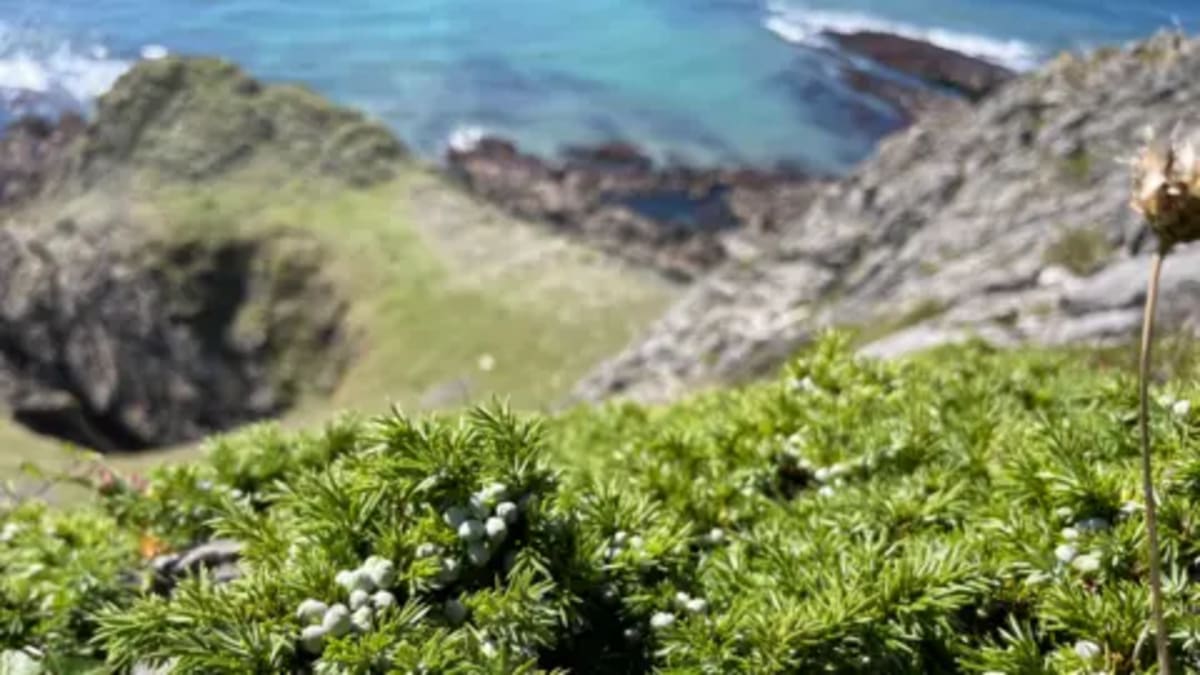
The work requires perfect timing. Some plants release seeds for just a few days before the window closes for years. Juniper has defeated them three years running because the berries take three years to ripen, and catching multiple female plants at the right moment across Wales requires equal parts planning and luck.
Finding rare plants means hiking to remote locations multiple times per season. Sometimes they arrive to find seeds already dispersed by wind or eaten by birds. Sometimes the plants aren't ready and they drive back weeks later, hoping they haven't missed it.
Local botanists across Wales help by reporting rare species locations. Without them, finding viable populations that produce good seeds would be nearly impossible. The team aims for 10,000 seeds per collection to ensure genetic diversity.
The Ripple Effect
Only 11% of Wales' 15,000 species are safely banked so far. As climate change makes weather events more extreme, the environment keeps changing and rare plants face new pressures. Wild relatives of crops like sea radish, sea carrot, and sea cabbage hold genes that resist pests and diseases, genes that farmed versions have lost through breeding.
These wild genes could be crucial for future food security. Plant diversity maintains soil health, supports pollinators, and helps ecosystems bounce back from drought, floods, and disease. When plant species disappear, entire communities feel the impact through reduced crop yields and weakened flood protection.
Baker, 25, and McGinn, 38, both dreamed of conservation work as children but never imagined they'd become Wales' insurance policy against extinction. Now they're racing to collect and preserve what remains, one perfectly timed seed collection at a time.
Every silver packet in those freezers represents hope that Wales' rarest plants will survive whatever comes next.
More Images

Based on reporting by BBC Science
This story was written by BrightWire based on verified news reports.
Spread the positivity!
Share this good news with someone who needs it