Wales' Stargazing Tourism Soars as Cities Rediscover Night Sky
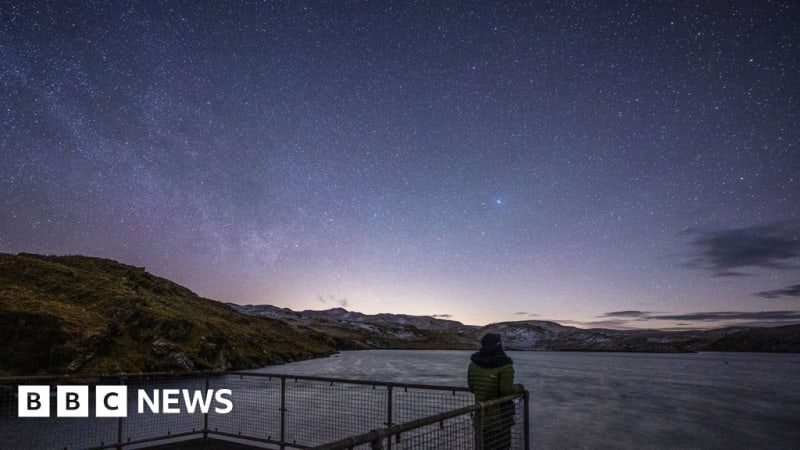
People are traveling hours to rural Wales for a new wellness trend called "star bathing" that's selling out faster than organizers can add events. In areas with minimal light pollution, visitors are finding emotional healing and childlike wonder by simply lying on blankets and gazing at the Milky Way.
A man celebrating his 50th birthday sobbed when he saw shooting stars streak across the Welsh sky for the first time in his life. It wasn't just beautiful. For someone who'd grown up under city lights, it was a once-in-a-lifetime moment he'd waited half a century to experience.
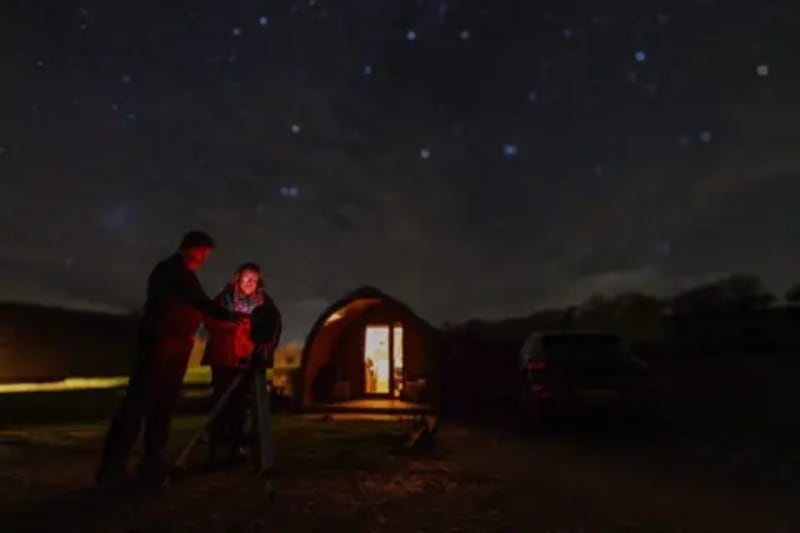
Welcome to star bathing, Wales' hottest new wellness trend that's creating waiting lists for every event. Guided by experts like Dafydd Wyn Morgan of Serydda, visitors travel to remote spots in Ceredigion and Snowdonia to do something radical: lie on the ground and look up.
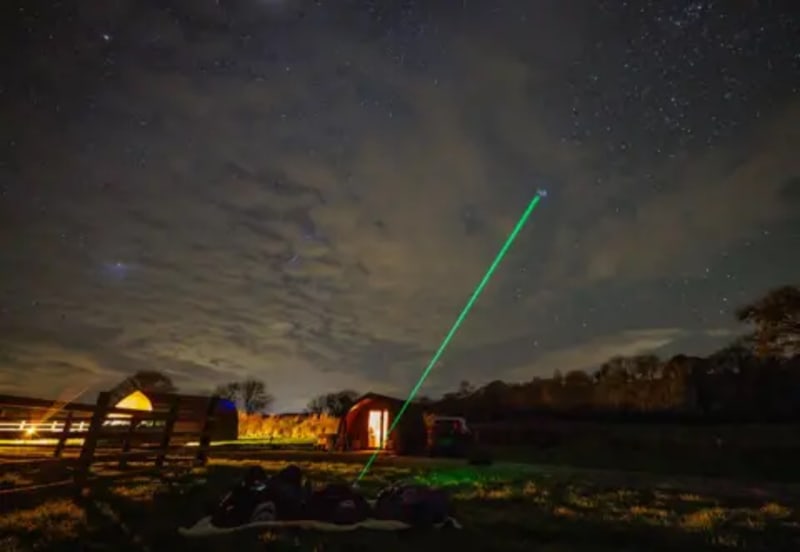
The experience mirrors forest bathing from Japan, but instead of trees, participants immerse themselves in darkness and starlight. Morgan uses a green laser pointer to highlight Jupiter, Orion's Belt, and other celestial wonders while sharing myths and legends. The goal isn't scientific education but emotional connection.
Since launching in January 2025, Morgan has hosted 107 people at his workshops, with many returning multiple times. Dark skies officer Dani Robertson says she can't run events fast enough to meet demand. People drive seven hours from London just to see what true darkness looks like.
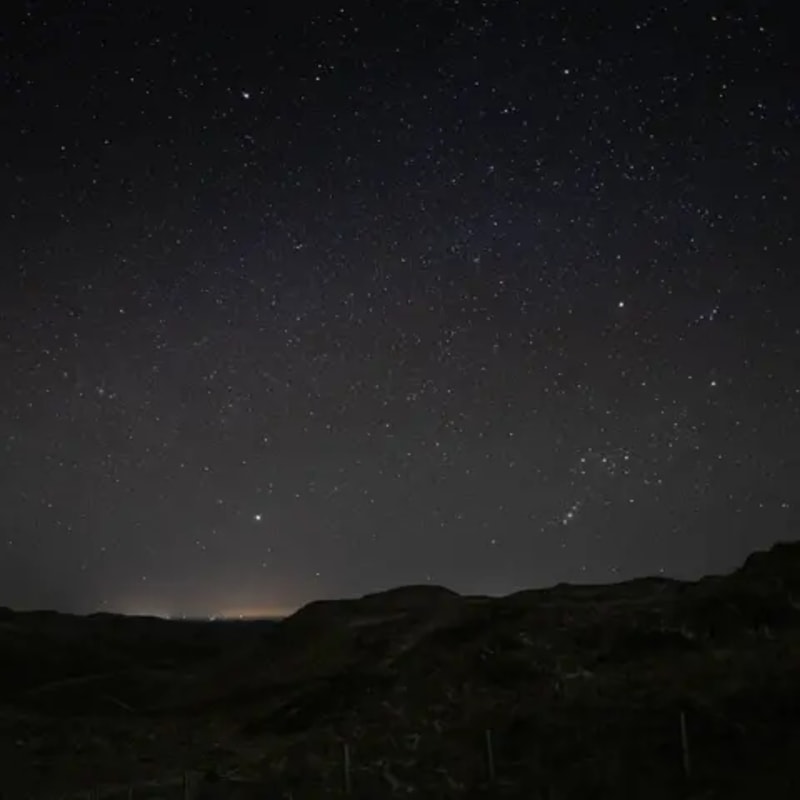
The timing makes sense. About 98% of the UK population lives under light-polluted skies, Robertson explains. Three or four generations have grown up seeing few stars, if any. Wales now offers two of the UK's six International Dark Sky Reserves, protected areas where the night sky remains visible in its full glory.
Why This Inspires
The wellness benefits go beyond pretty views. Annalisa Setti, a psychology lecturer at University College Cork, explains that nature creates optimal brain arousal. We're neither bored nor overstimulated, which produces positive relaxation.
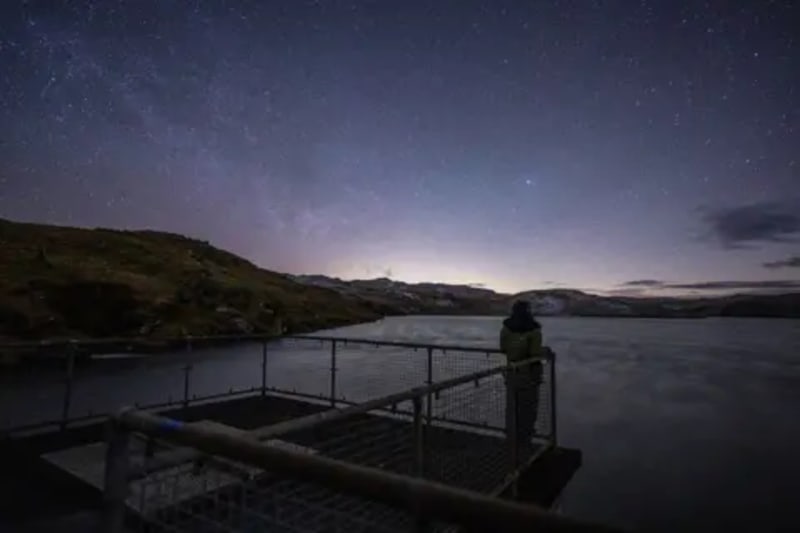
Brain regions linked to negative rumination become less active when we observe nature. Standing under billions of stars at 2:00 AM, watching the Milky Way emerge as a cloud-like formation across the sky, visitors report feeling connected to something larger than their daily worries.
A survey of 27,000 travelers by Booking.com found that 72% now consider visiting darker destinations specifically for stargazing experiences. The movement addresses a deeper hunger: reconnecting with something humans have always known but urban life has stolen away.
Robertson worries that children who cannot see stars cannot be inspired by them. But the solution to light pollution is surprisingly simple: dark-sky friendly bulbs, turning off unnecessary lights, and closing curtains at night.
At a bridge in the Cambrian mountains, Morgan asks visitors to breathe deeply and smell the night air. "Cool, cold, fresh and pure," he says, "like drinking water from a well." One visitor describes gazing at objects 150 million light years away and feeling unable to quantify the distance or the emotions.
The stars that inspired our ancestors still shine above us, waiting to remind us of beauty, scale, and possibility.
More Images
Based on reporting by BBC Science
This story was written by BrightWire based on verified news reports.
Spread the positivity!
Share this good news with someone who needs it