Warehouse Robots Create Jobs Instead of Eliminating Them
Autonomous mobile robots in warehouses are doing the opposite of what workers feared. Instead of killing jobs, they're creating new careers while freeing humans from dangerous, repetitive tasks.
The robots are coming for warehouse jobs, but not in the way anyone expected.
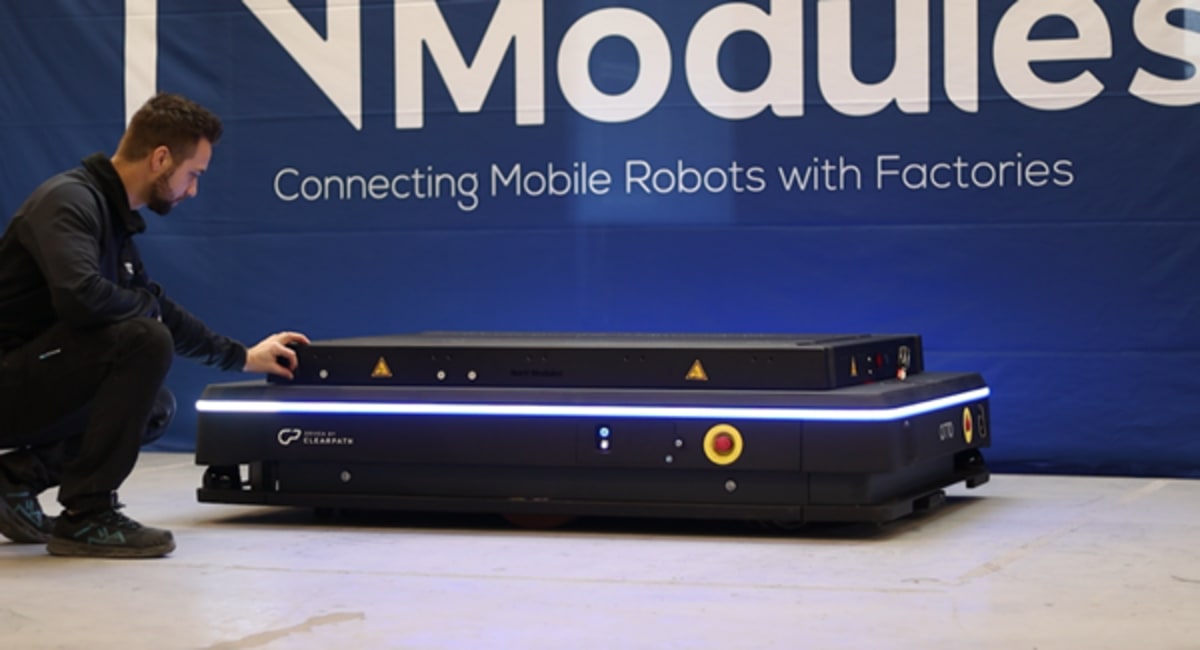
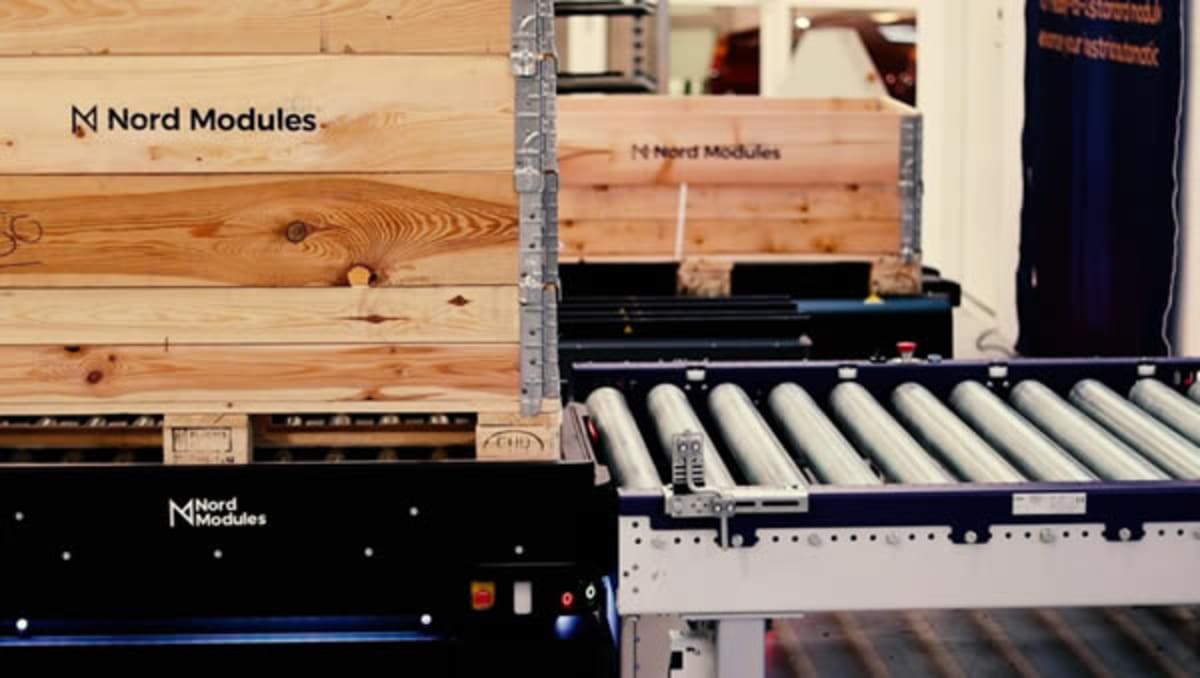
Autonomous mobile robots, or AMRs, are rolling through warehouses and factories, handling the tedious work of moving goods and stocking shelves. Workers worried they'd be replaced, just like people feared when computers first arrived decades ago.
History is repeating itself in the best way possible. Computers didn't destroy jobs; they created millions of new opportunities while making work more meaningful.
AMRs are following the same pattern. Instead of replacing workers, these robots take over the mind-numbing tasks like transporting inventory for hours on end. That frees up employees to focus on work that actually needs human creativity, like quality control, customer service, and process improvement.
The shift is creating entirely new career paths too. Someone needs to maintain these robots, program them, and oversee their operations. These positions offer training in robotics and automation, fields that are growing rapidly and paying well.
Safety improvements might be the biggest immediate win. AMRs handle the dangerous jobs like heavy lifting and working in extreme temperatures. Fewer workplace injuries mean employees can move into roles that require judgment and expertise instead of risking their backs and joints every shift.
The Ripple Effect
When businesses save money through automation, they reinvest those savings into growth. That means expanding product lines, entering new markets, and hiring more people for the roles machines can't do.
The collaboration between humans and robots creates a workplace where each does what they're best at. Machines handle repetition and physical strain. People bring decision-making, creativity, and emotional intelligence.
Companies are already seeing this play out. Workers relieved of routine tasks have time to develop new skills and take on innovative projects. The jobs being created require more thinking and less physical toll, leading to a healthier and more engaged workforce overall.
The warehouse of the future isn't humans versus robots. It's humans and robots working side by side, with each making the other more effective at what they do best.
More Images

Based on reporting by Google News - Jobs Created
This story was written by BrightWire based on verified news reports.
Spread the positivity!
Share this good news with someone who needs it