Washington Opens Clean Energy Path with New Tax Law
A new Washington law removes red tape that kept clean energy projects from getting local tax breaks. The Tri-Cities region could see major job growth from advanced nuclear and renewable energy investments.
Washington just made it easier for clean energy companies to put down roots and create jobs in communities ready to welcome them.
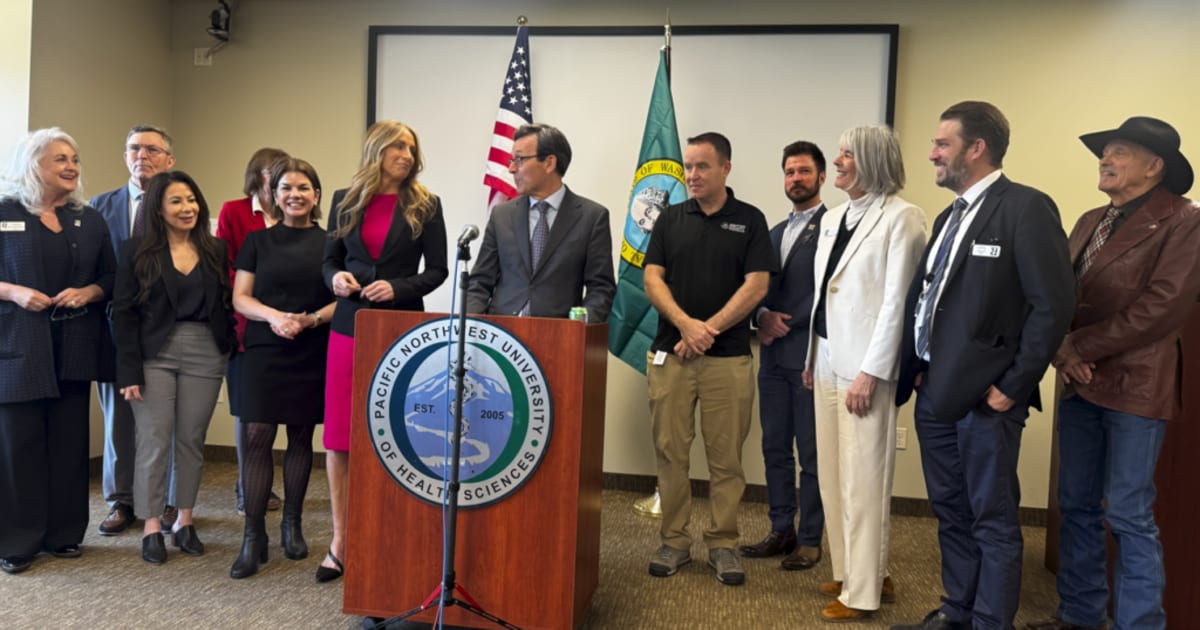
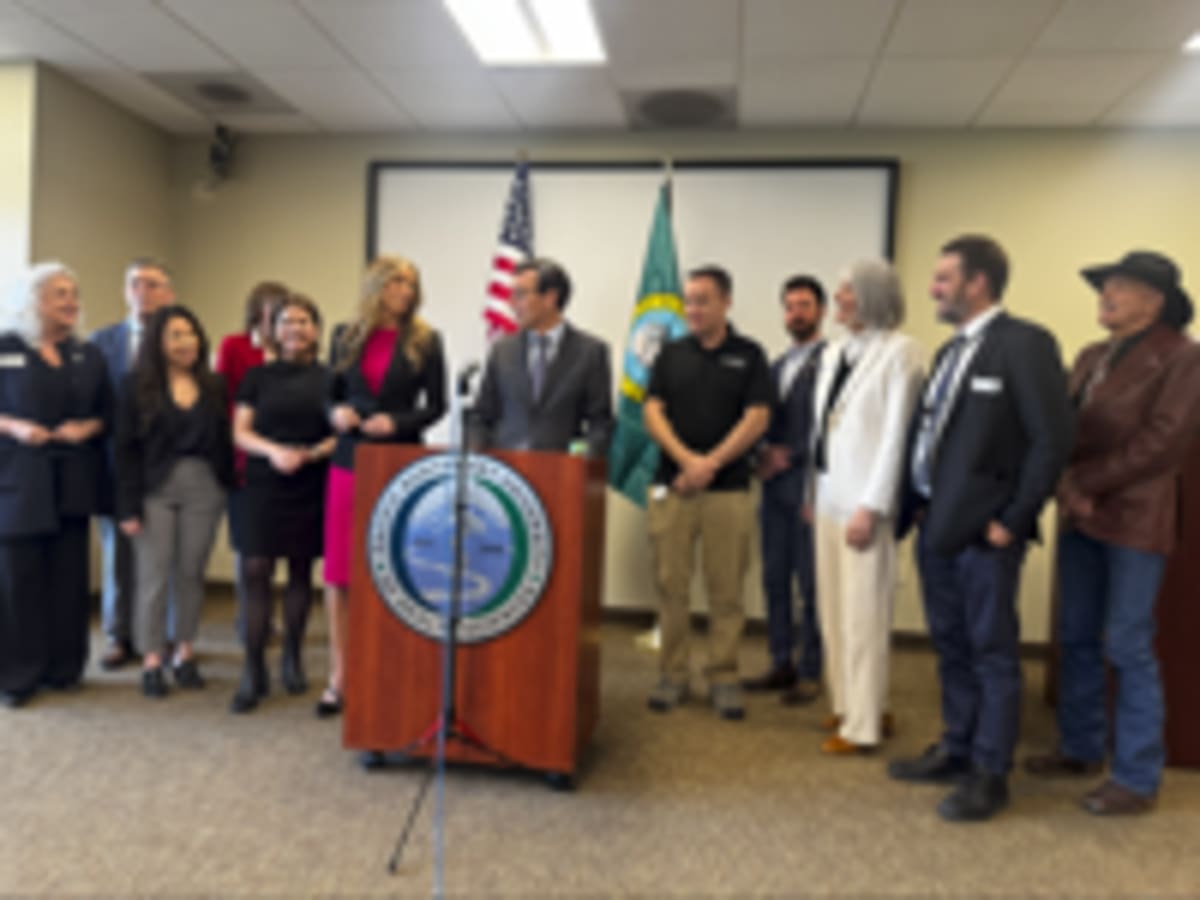
Governor Bob Ferguson signed House Bill 1210 into law, fixing a timing mismatch that pushed clean energy projects out of state. The problem was simple but frustrating: federal approvals for advanced nuclear and renewable energy facilities often took longer than Washington's tax incentive deadlines allowed.
Representative Stephanie Barnhard from Pasco spent three years pushing the solution forward. Her bill updates the state's urban property tax exemption program so clean energy projects can still qualify for local incentives even when federal certification drags on.
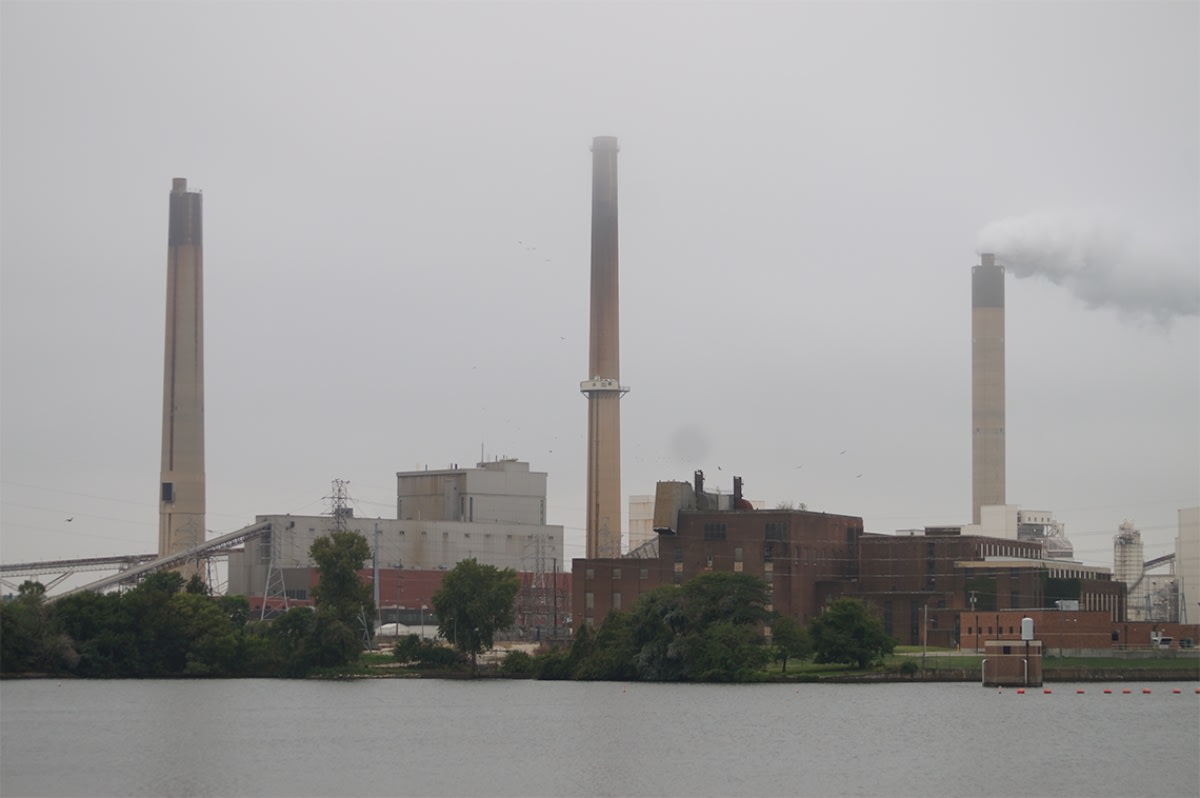
The change matters most in regions like the Tri-Cities, where the energy sector is already booming and thousands of acres sit ready for development. Richland alone has designated massive tracts of land under the program, hoping to attract the kind of large-scale facilities that create lasting careers, not just temporary construction jobs.
Both parties backed the bill. It passed the House 80-14 and the Senate 28-20, showing rare agreement that keeping Washington competitive for clean energy investment serves everyone's interests.
The Ripple Effect
This isn't just about one region or one industry. When states compete for advanced manufacturing facilities, the winners gain decades of high-wage jobs, supplier networks, and the kind of economic stability that lifts entire communities.
The Tri-Cities already has deep expertise in energy technology, making it a natural home for next-generation nuclear manufacturing and related clean energy businesses. By aligning state policy with federal reality, Washington removed an unnecessary barrier that was costing real opportunities.
Other regions watching their own energy sectors grow can learn from this approach. Sometimes the biggest progress comes not from grand new programs but from fixing the small disconnects that quietly push investment elsewhere.
The law takes effect June 11, giving project developers and local officials time to plan for the opportunities ahead. For communities that have been preparing infrastructure and workforce training, the wait is almost over.
Washington chose to compete, and that choice opens doors for workers, businesses, and towns ready to build the energy future.
More Images

Based on reporting by Google News - Clean Energy
This story was written by BrightWire based on verified news reports.
Spread the positivity!
Share this good news with someone who needs it