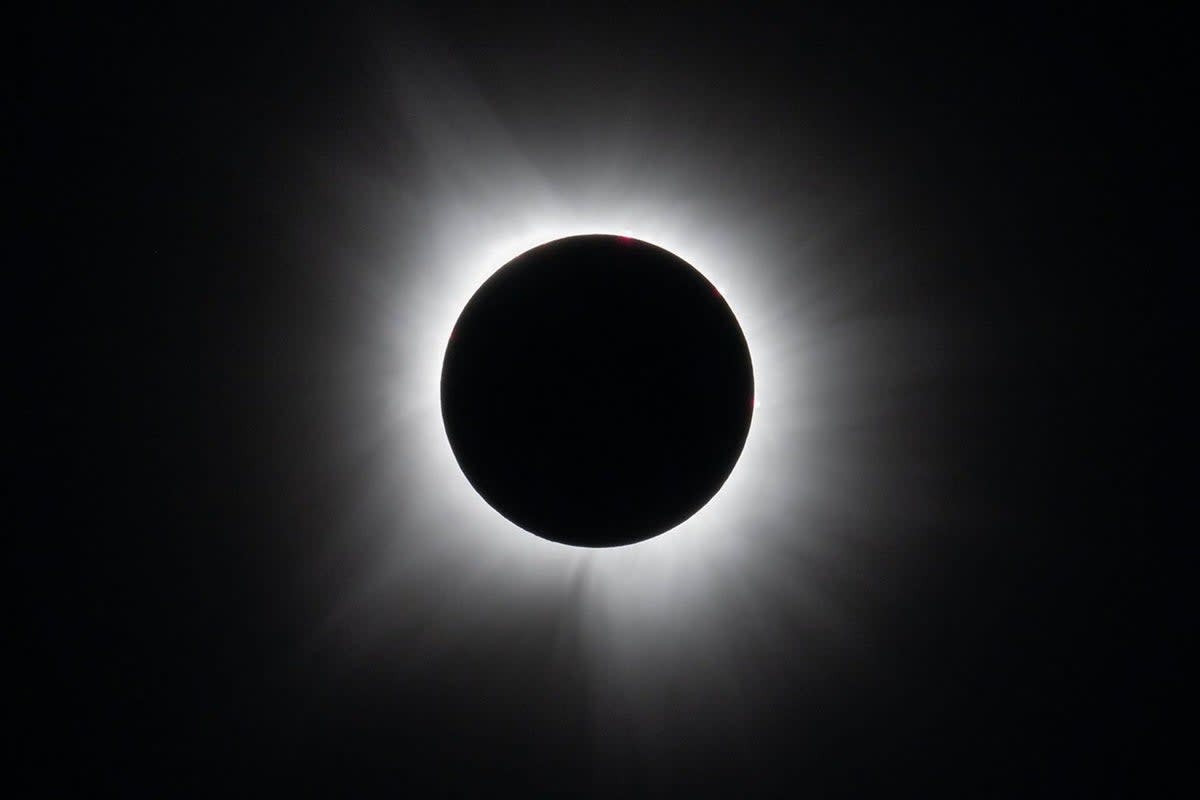
Watch August's Total Solar Eclipse Live from Spain
Can't travel to Europe this August? Scientific American is livestreaming the total solar eclipse from Ibiza so everyone can witness this rare celestial event.
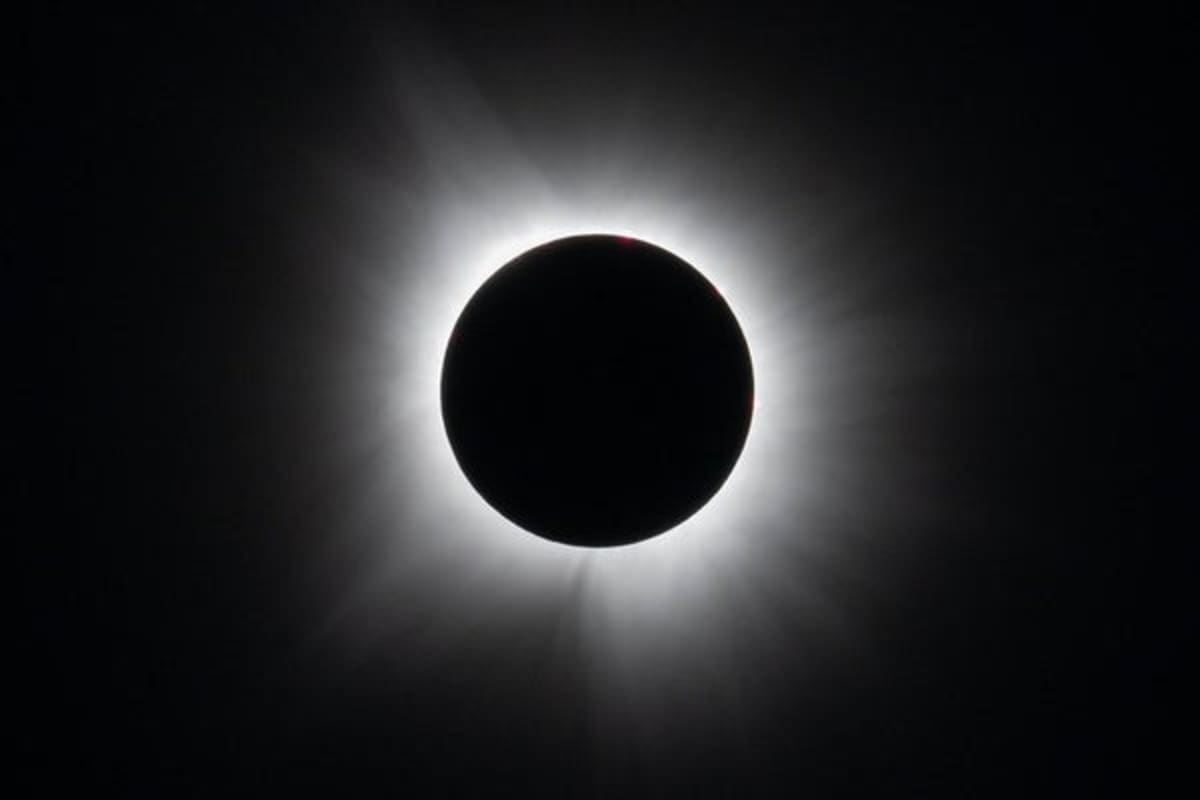
On August 12, the moon will slide perfectly between Earth and the sun, casting a shadow across western Europe and the Arctic in one of nature's most breathtaking displays.
While total solar eclipses happen somewhere on Earth about every 18 months, any single location only sees one roughly once every 373 years. This makes August's eclipse a once-in-a-lifetime opportunity for millions across Europe.
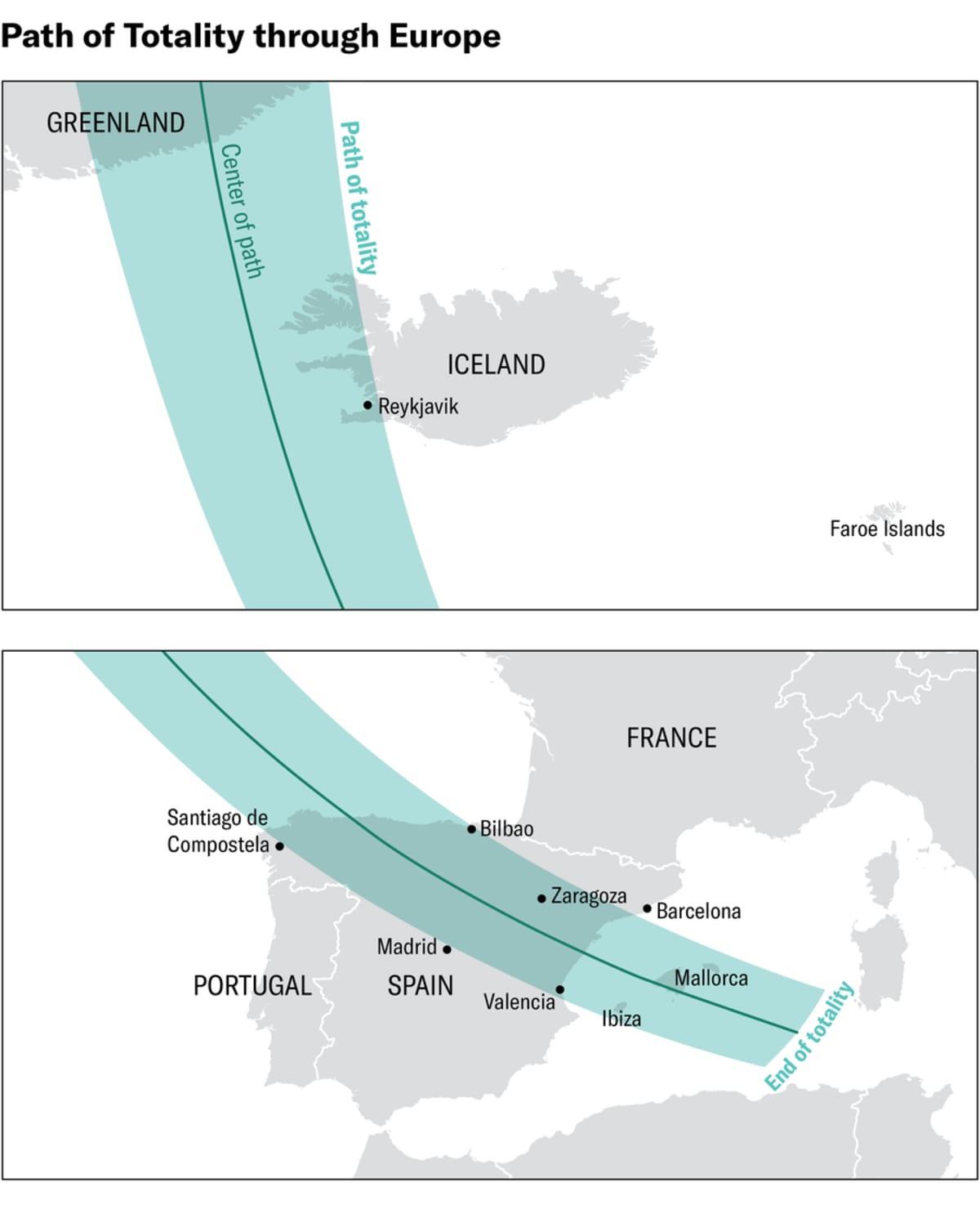
The best views will unfold across northern Spain and Portugal, western Iceland, eastern Greenland, and parts of the Canadian and Russian Arctic. In Valencia, Spain, the total eclipse begins around 8:32 PM local time and lasts about one minute, while Reykjavík, Iceland will enjoy nearly two minutes of totality starting at 5:48 PM.
Cities like Zaragoza, Segovia, and Sant Elm on the island of Mallorca are already seeing hotels and transportation book up fast as eclipse chasers reserve their spots. Because the eclipse occurs right at sunset in Spain, viewers will need to look toward the western horizon for the best experience.
Safety remains crucial during any solar eclipse viewing. Even a brief glance at the sun without proper eclipse glasses or solar filters can permanently damage eyesight, including when looking through camera lenses. Pinhole projectors offer a safe alternative for indirect viewing.
The Bright Side: For those who can't travel to Europe, Scientific American is bringing the eclipse to screens worldwide with a livestream from Ibiza, Spain. The coverage begins at 7:30 PM local time (1:30 PM EDT), making this astronomical wonder accessible to anyone with an internet connection.
Some viewers in Canada and parts of the United States may even catch a partial eclipse, though the next total solar eclipse visible from the U.S. won't arrive until 2044.
This eclipse reminds us that some of Earth's most spectacular shows are free for everyone to enjoy, whether in person or through the screens that connect our global community.
More Images


Based on reporting by Scientific American
This story was written by BrightWire based on verified news reports.
Spread the positivity!
Share this good news with someone who needs it