Waymo Reveals Human Safety Teams Guide Robotaxis
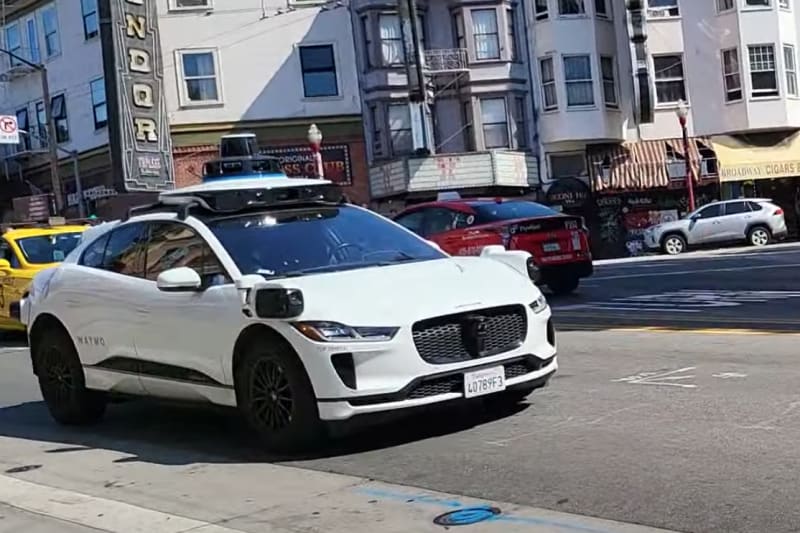
Self-driving car company Waymo confirmed its autonomous vehicles get help from remote human advisors who step in during tricky road situations. The disclosure is sparking important conversations about how to make robotaxis safer as they become part of everyday transportation.
📺 Watch the full story above
Waymo just pulled back the curtain on how its self-driving cars actually work, and it turns out humans are still very much part of the equation.
The autonomous vehicle company confirmed to Congress that when its robotaxis encounter confusing situations like unclear construction zones or unusual traffic patterns, remote human advisors can provide guidance. These Fleet Response Agents don't control the steering wheel or brakes, but they help the AI make better decisions in edge cases.
Some of these safety advisors work from the Philippines, which has become a global hub for technical support operations. Waymo Chief Safety Officer Mauricio Peña told lawmakers the human helpers are "strictly advisory" and the AI system makes all final driving decisions.
The revelation came during congressional testimony where senators asked tough questions about how autonomous these vehicles really are. Lawmakers want to understand whether having overseas advisors introduces any safety or security concerns, especially in split-second traffic situations.
Why This Inspires
The transparency itself represents progress. Rather than claiming their technology is perfect, Waymo is acknowledging that complex transportation systems work best with human oversight as backup.
The conversation happening in Congress shows regulators are taking public safety seriously as this technology evolves. Senators from both parties are asking the right questions about accountability, data security, and who's responsible when something goes wrong.
This hybrid approach of AI plus human judgment might actually be more honest than companies claiming total autonomy. Every complex transportation system, from airlines to railways, uses layered safety redundancies that blend technology with human expertise.
As autonomous vehicles move from experiments to everyday transportation, these conversations help ensure the technology develops responsibly. The Philippines connection also highlights how clean transportation innovation increasingly depends on global collaboration.
The path to safer, cleaner transportation will likely involve both brilliant technology and thoughtful human guidance working together across borders.
More Images


Based on reporting by CleanTechnica
This story was written by BrightWire based on verified news reports.
Spread the positivity!
Share this good news with someone who needs it