Weather Channel App Now Predicts Your Worst Allergy Days
Millions of allergy sufferers can now see exactly when their symptoms will flare up, thanks to a major Weather Channel app update that tracks wind, humidity, and pollen species. The free feature helps you plan your day around peak allergen times.
If you've ever wondered why you're suddenly sneezing despite pollen counts looking normal, your phone now has answers.
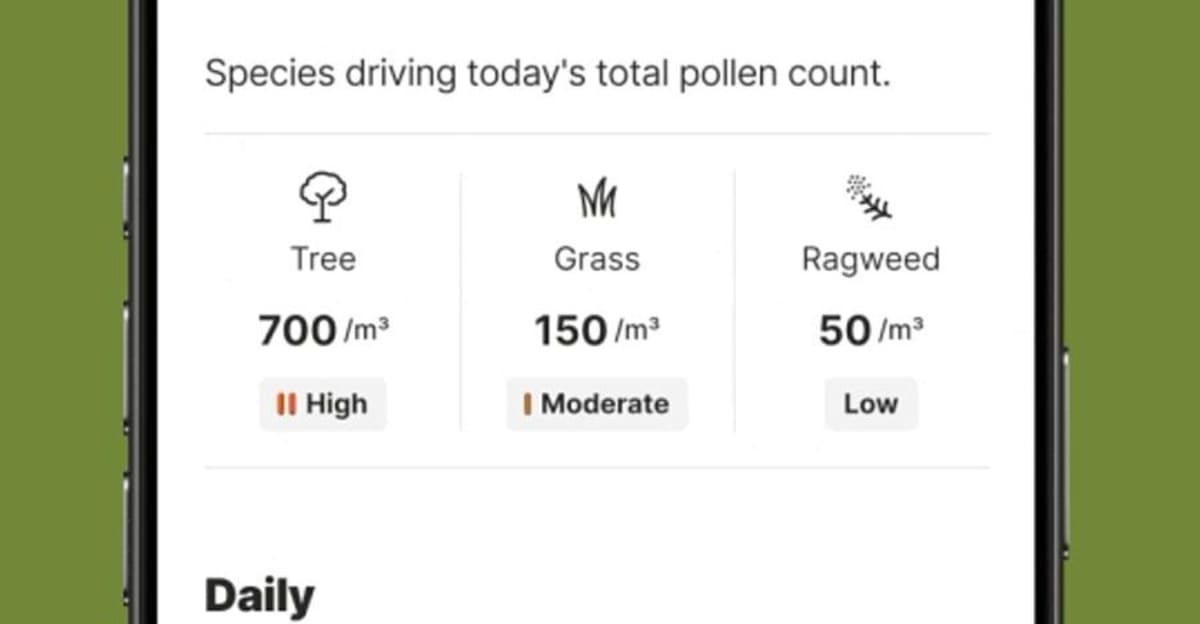
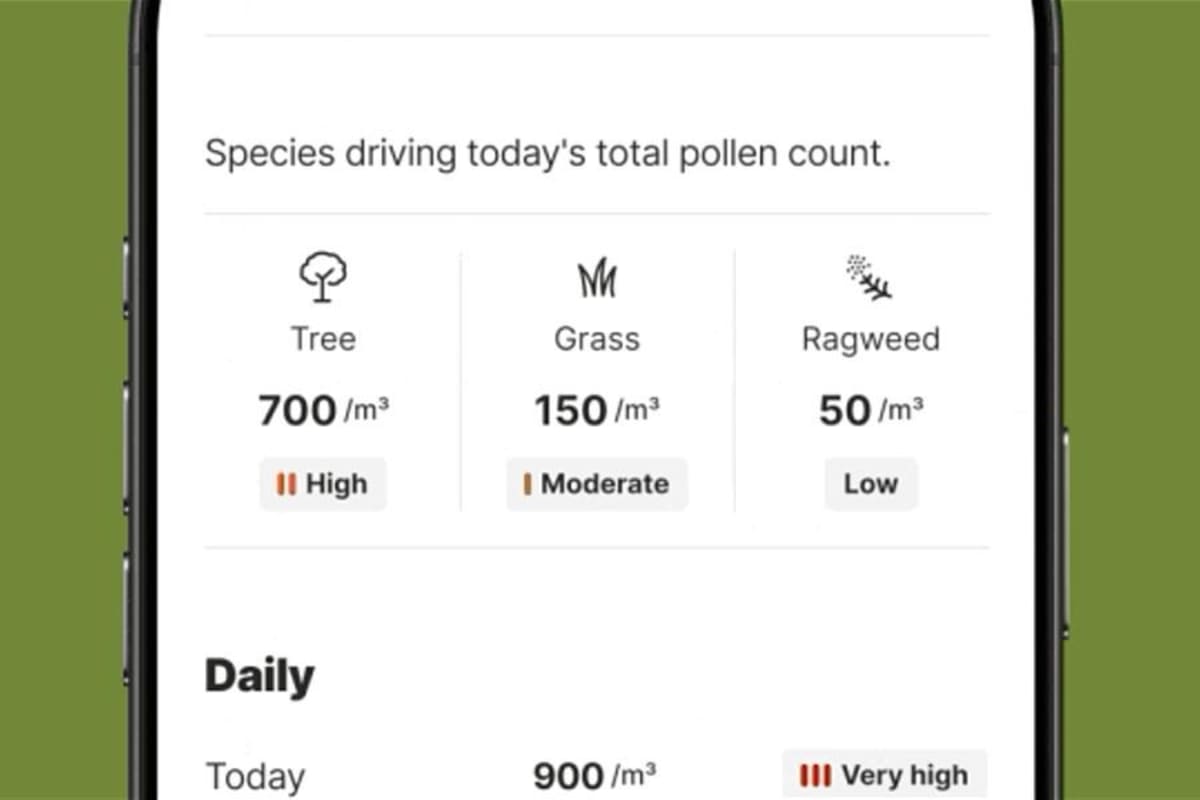
The Weather Channel app just launched an "enhanced allergy experience" that goes beyond basic pollen counts to predict when weather conditions will make your allergies worse. The update combines wind speed, humidity levels, and hyperlocal pollen data to show exactly what's triggering your symptoms and when they'll peak throughout the day.
The free features include daily forecasts of when pollen will hit its highest levels in your specific ZIP code. You'll also see easy-to-read graphics showing whether allergy risks are higher, lower, or the same as yesterday, plus five-day pollen forecasts alongside regular weather predictions.
The app's new "weather aggravator insights" explain how conditions like high winds can make airborne allergens feel worse even when pollen counts stay steady. Users can also compare current forecasts to a decade of historical pollen data in their area.
Premium subscribers paying $4.99 monthly get even deeper details. Starting this summer, the app will identify specific tree species causing problems, like cedar or oak, instead of vague "tree pollen" warnings. Premium users also get hourly pollen radar maps, 24-hour forecasts, and a symptom tracker to connect how they're feeling with outdoor conditions.
The timing couldn't be better. Allergy seasons have been getting longer and more intense due to changing climate patterns, affecting an estimated 81 million Americans each year.
Why This Inspires
This update represents a shift from generic warnings to personalized health tools that put real control in people's hands. Instead of suffering through unexpected symptom flares or staying inside all spring, allergy sufferers can now plan outdoor activities around their body's specific triggers. A parent can schedule their kid's soccer practice for low-pollen hours. A runner can time their morning jog to avoid peak allergen exposure. Someone planning a weekend picnic can check whether Saturday or Sunday will be kinder to their sinuses.
The technology transforms invisible threats into visible, manageable information. When you understand that your sneezing isn't random but connected to oak pollen spiking at 3pm on windy days, you gain the knowledge to take action. That kind of insight reduces anxiety and increases quality of life for millions who've felt powerless against seasonal allergies.
Better yet, the core features are free, making this health tool accessible to anyone with a smartphone.
Breathing easier might now be just a weather check away.
More Images


Based on reporting by The Verge Science
This story was written by BrightWire based on verified news reports.
Spread the positivity!
Share this good news with someone who needs it


