Webb Telescope Finds 10 Billion-Year-Old Interstellar Comet
NASA's James Webb Space Telescope captured the first chemical fingerprint of an ancient comet from beyond our Solar System, revealing it's twice as old as the Sun itself. The observations prove comet 3I/ATLAS formed under wildly different conditions than anything in our cosmic neighborhood.
Scientists just got their best look ever at a cosmic time traveler that's been journeying through space since before our Sun existed.
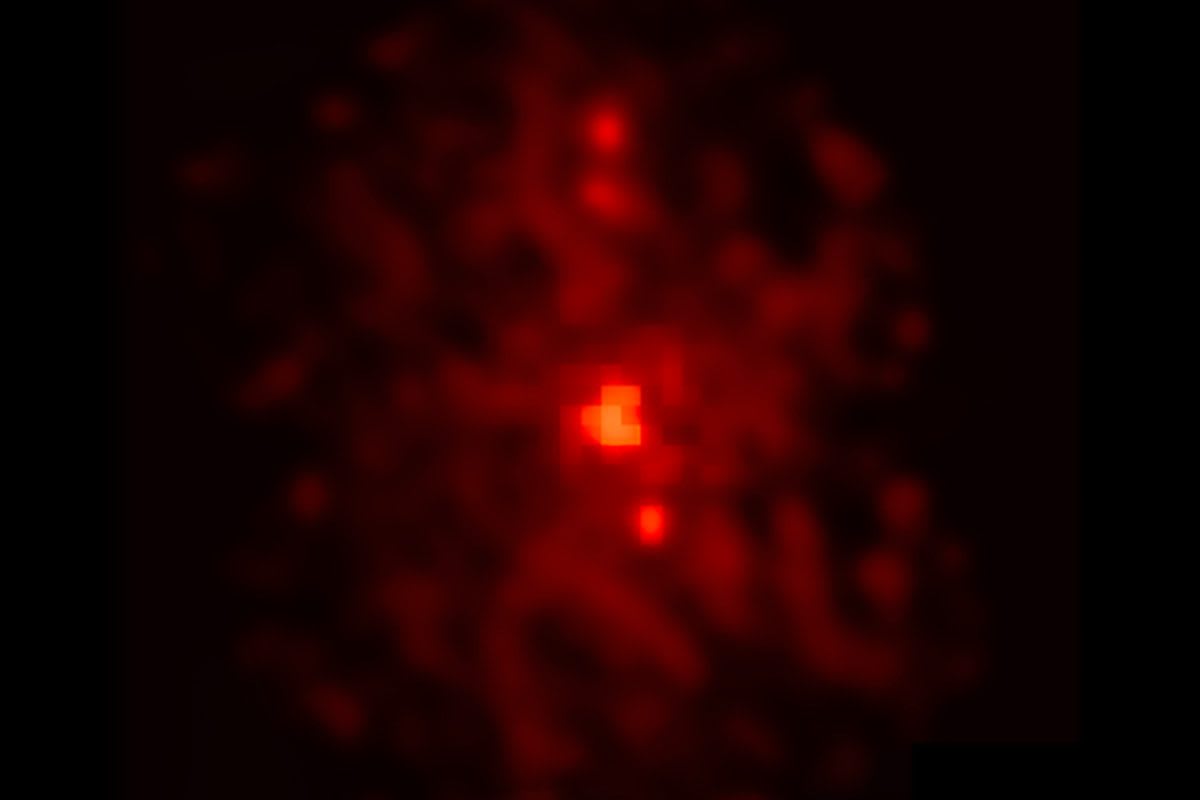
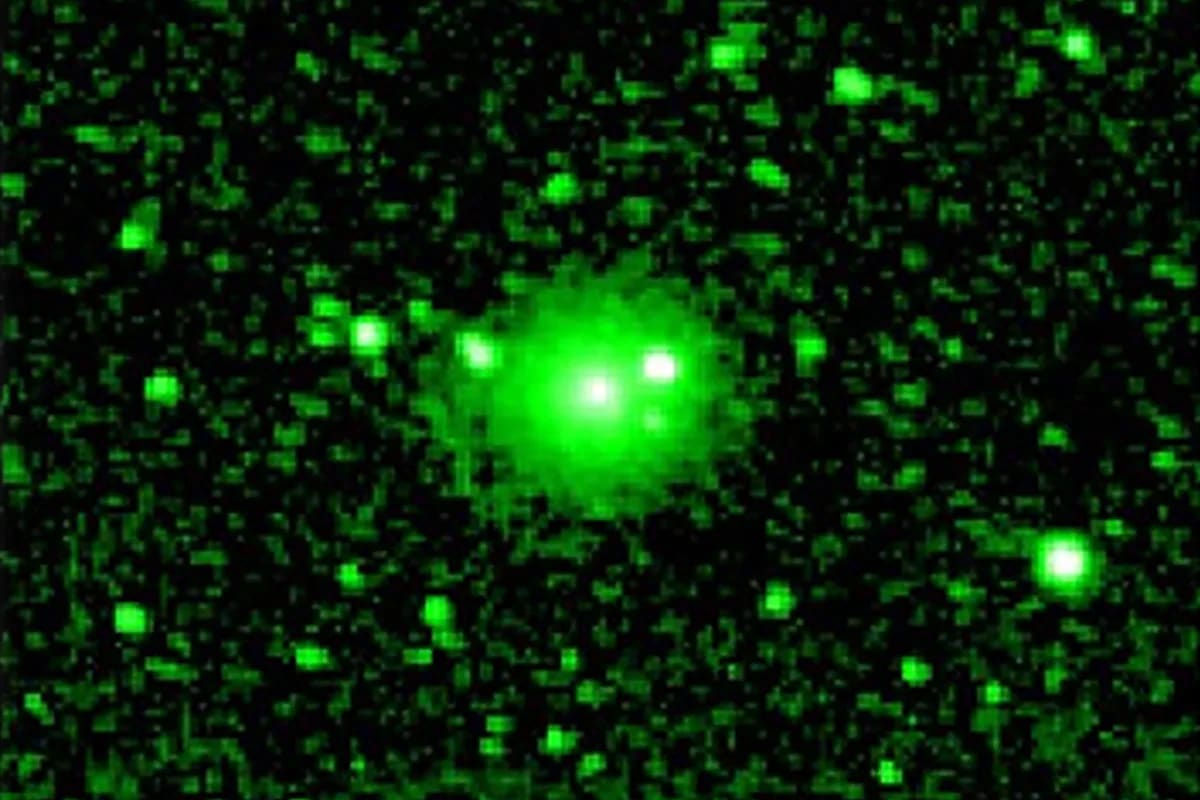
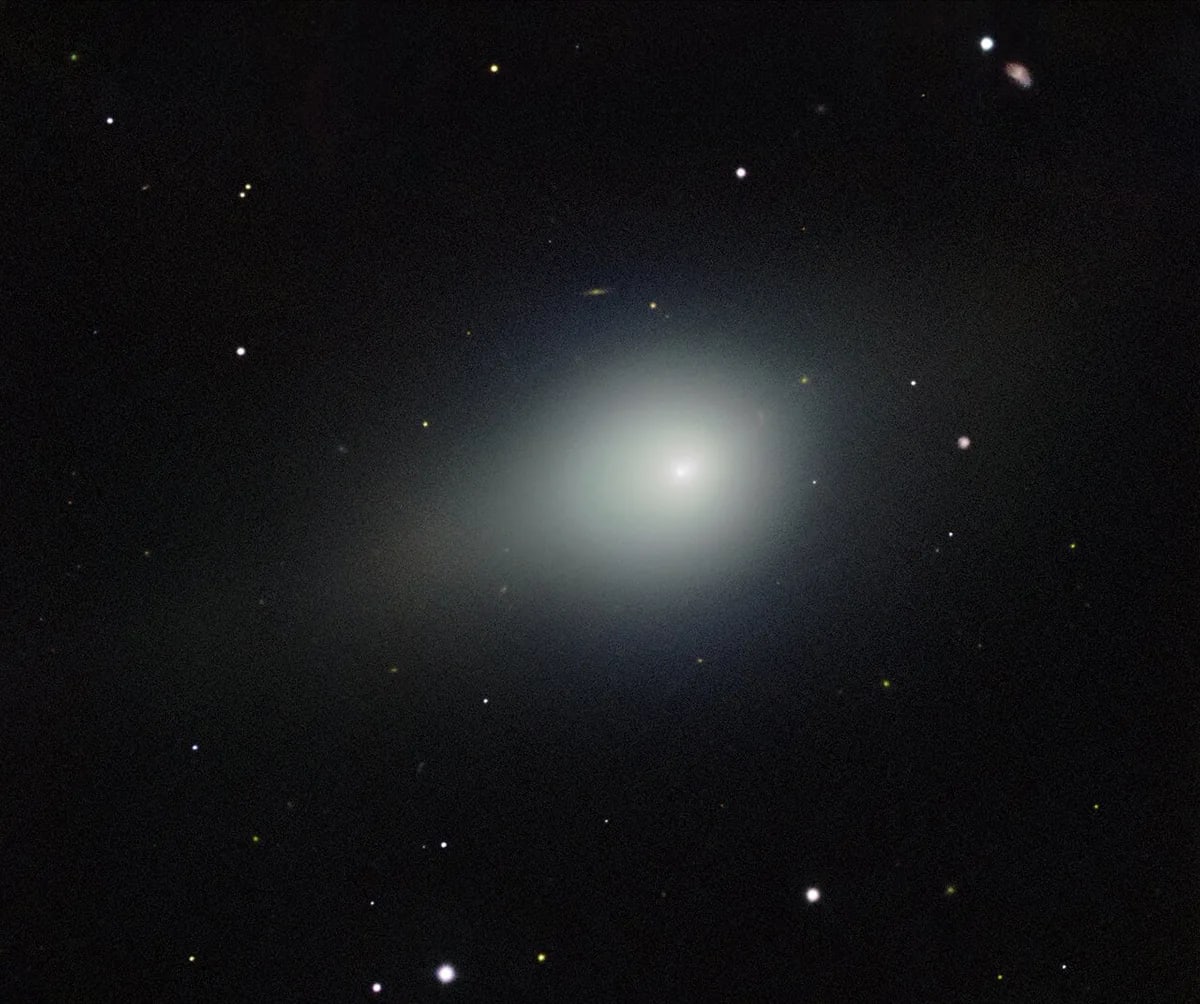
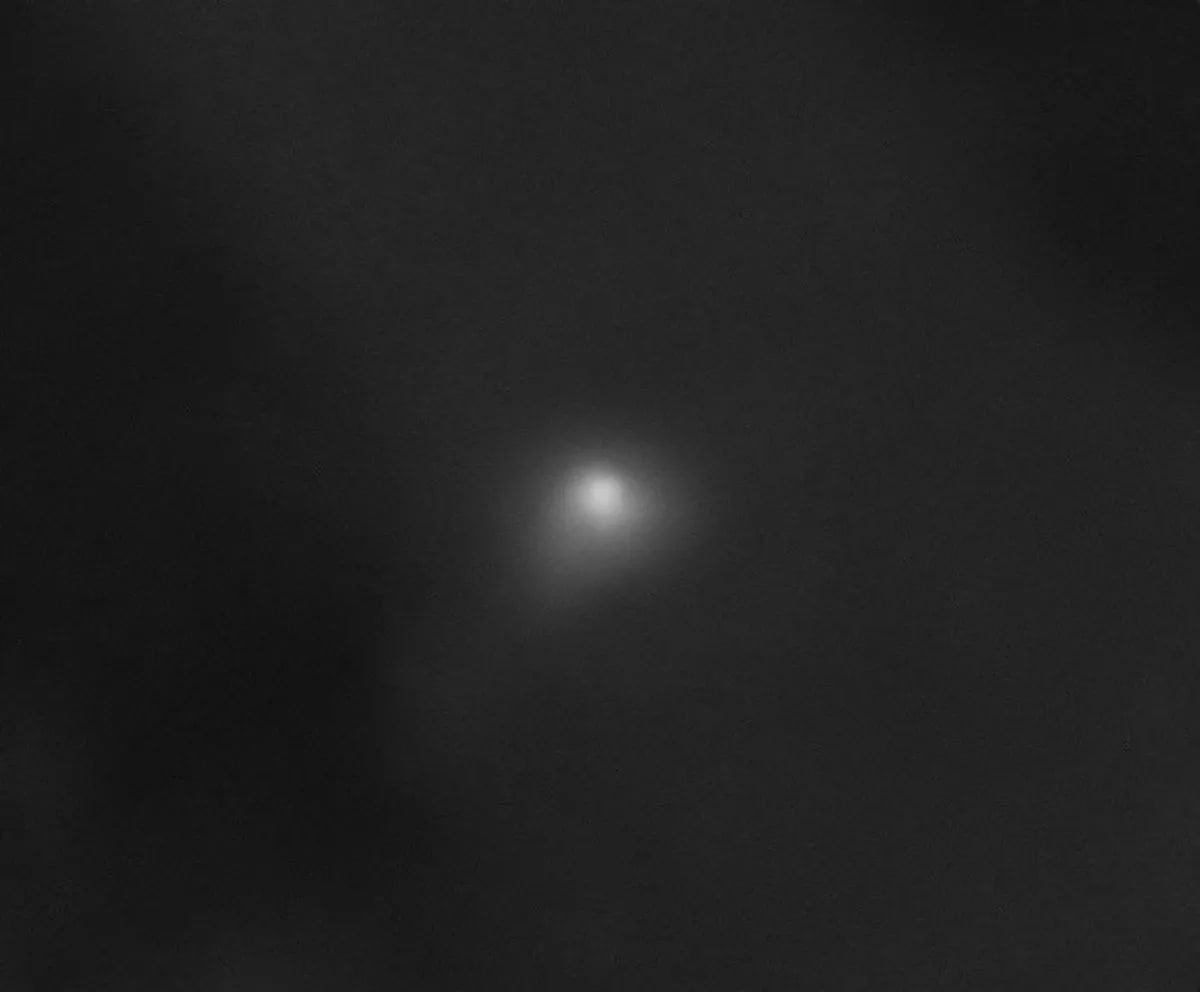
Comet 3I/ATLAS, a visitor from another star system, passed through our Solar System in late 2025, giving astronomers a once-in-a-lifetime chance to study something completely alien to our corner of the galaxy. The James Webb Space Telescope captured detailed observations in December 2025 as the ancient wanderer began its exit back into deep space.
The findings are remarkable. At roughly 10 billion years old, this interstellar comet is twice the age of our entire Solar System and the oldest comet ever discovered.
Webb detected methane gas directly for the first time ever in an interstellar object, a finding that scientists say proves 3I/ATLAS formed in dramatically different conditions than our own cosmic backyard. The comet's chemical makeup is nothing like the comets born around our Sun.
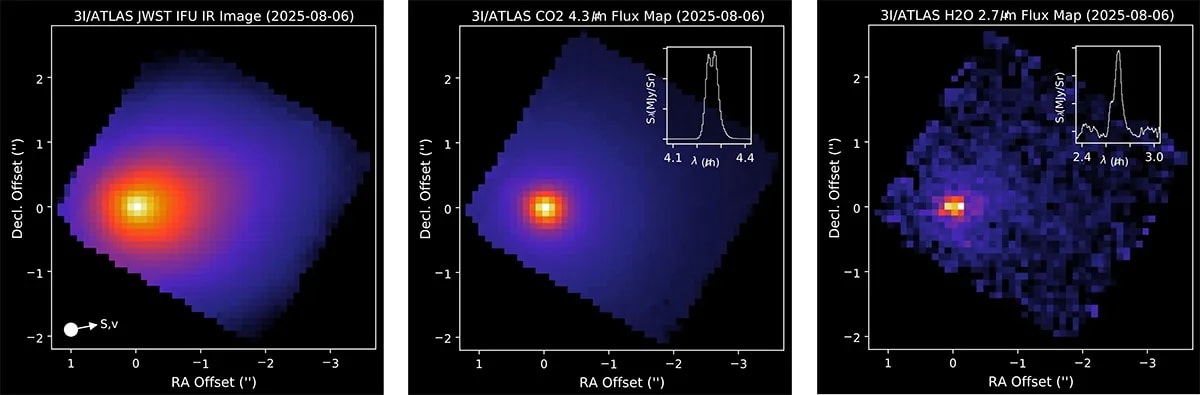
The telescope's observations revealed surprisingly high levels of methane compared to water, plus unusually rich amounts of carbon dioxide. As the comet heated up near the Sun, ice buried deep inside vaporized into gas, revealing secrets about its ancient origins in a distant corner of the Milky Way.
Comet 3I/ATLAS is only the third interstellar object ever spotted passing through our Solar System. Scientists rushed to observe it with every powerful telescope available because once it leaves, it's gone forever.
The December observations captured the comet's chemical fingerprint using infrared light, allowing astronomers to see elements invisible to human eyes. As 3I/ATLAS moved farther from the Sun and cooled down, Webb watched its gas production decline, confirming theories about how these ancient ice balls behave.
Why This Inspires
This discovery represents humanity's growing ability to study objects from beyond our cosmic home. Every observation of 3I/ATLAS teaches us about the diverse conditions across our galaxy where planets and comets form.
The fact that we can analyze the chemistry of a visitor from another star system, learning it comes from an environment vastly different from our own, shows how far our technology has advanced. We're no longer limited to studying just our own neighborhood.
These observations also hint at the incredible diversity waiting to be discovered across the universe. If one passing comet can be so different from everything we know, imagine what else is out there.
Scientists expect to find more interstellar visitors in the coming years as our detection methods improve, opening new windows into how planetary systems form across the galaxy.
For now, comet 3I/ATLAS continues its journey back into the cosmic ocean, carrying with it 10 billion years of galactic history.
More Images
Based on reporting by Google: James Webb telescope
This story was written by BrightWire based on verified news reports.
Spread the positivity!
Share this good news with someone who needs it