Webb Telescope Finds Planet-Sized Stars Defying Physics
NASA's James Webb Space Telescope just discovered brown dwarfs only twice Jupiter's mass, rewriting what scientists thought was possible in star formation. These cosmic oddballs are challenging our understanding of how the universe creates its smallest stellar objects.
Scientists using NASA's James Webb Space Telescope just found something that shouldn't exist according to current theories: brown dwarfs barely bigger than Jupiter.
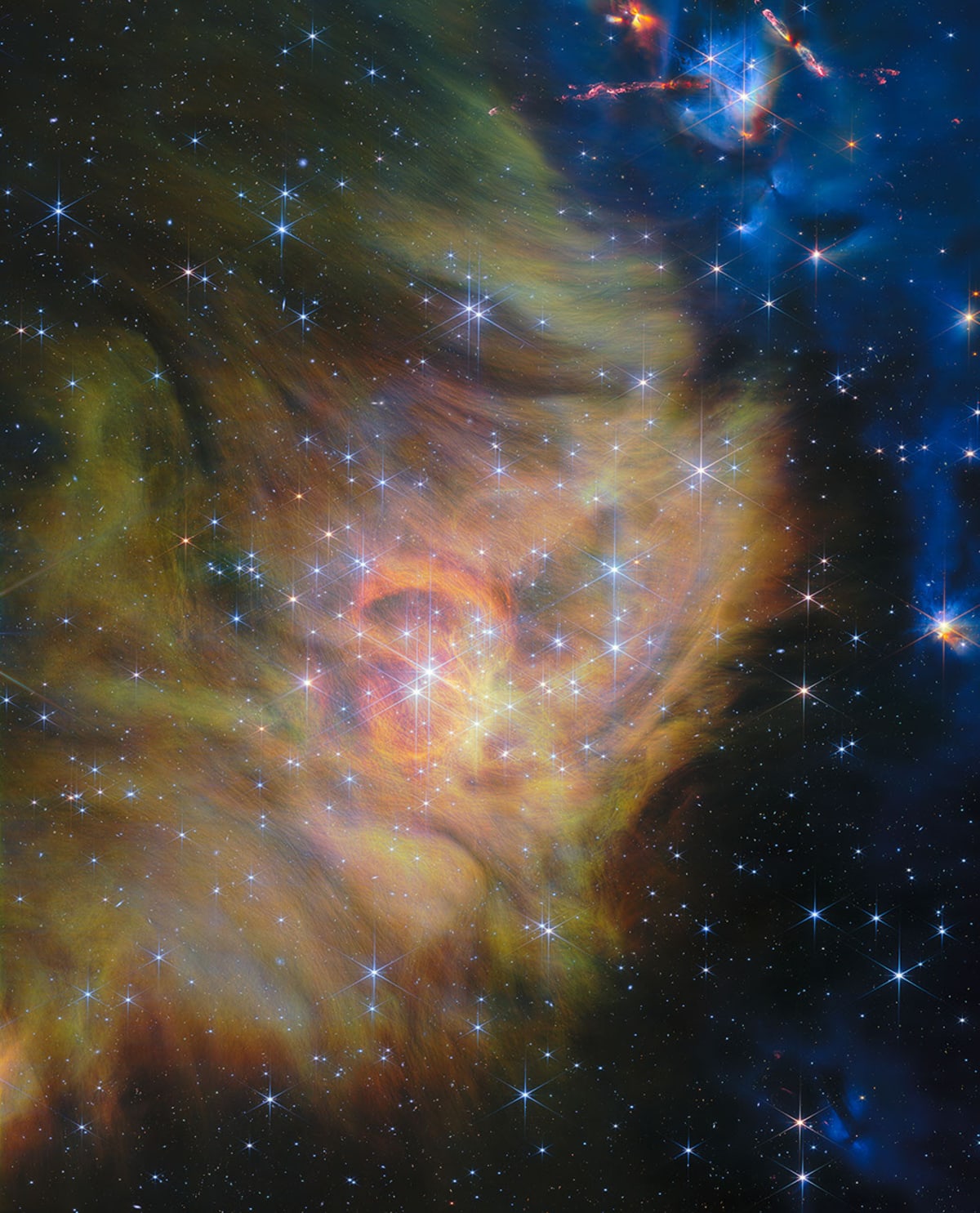
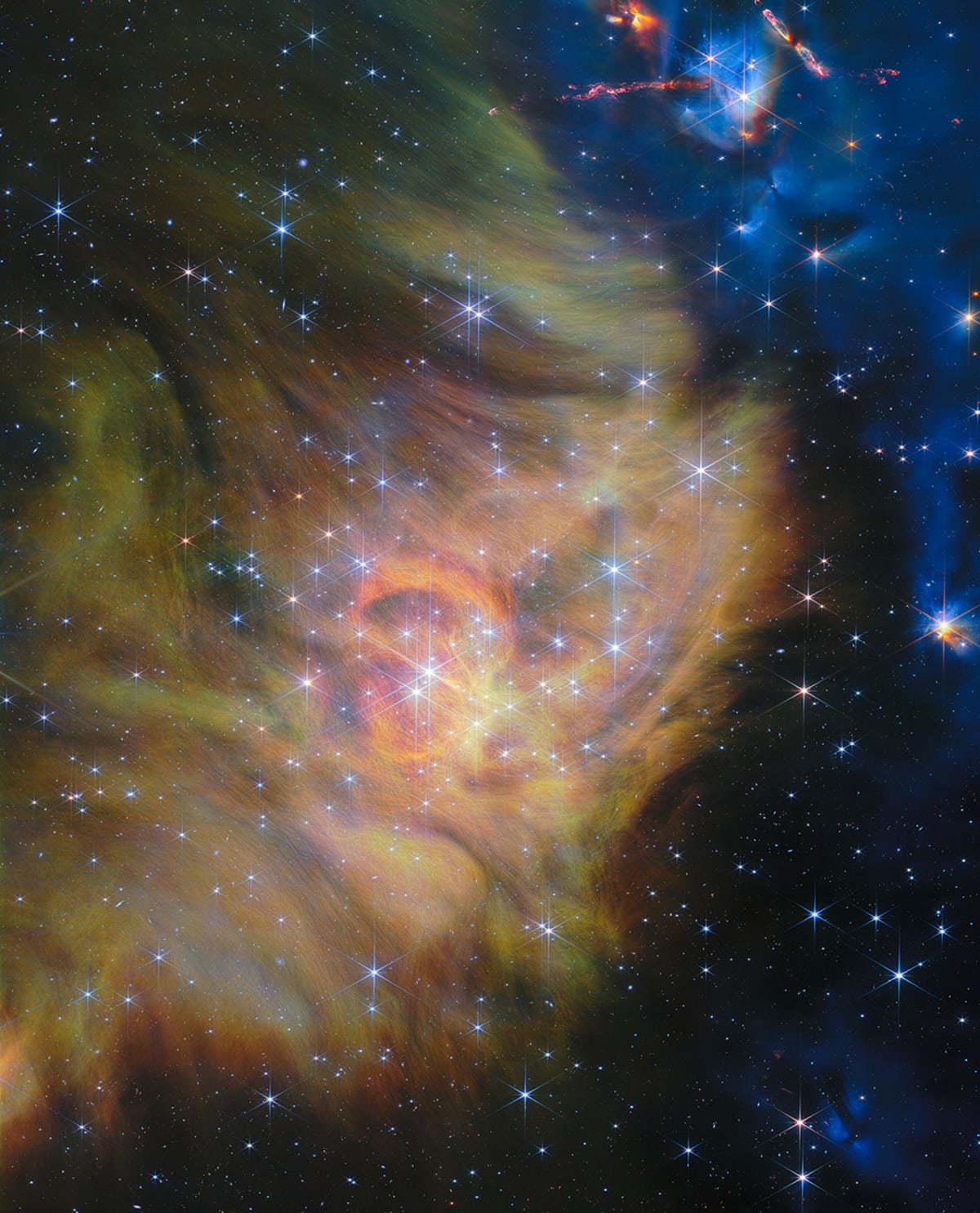
These cosmic curiosities, discovered in the star-forming region IC 348 just 1,000 light-years from Earth, weigh only twice Jupiter's mass. That's far smaller than models predicted brown dwarfs could be, and it's forcing astronomers to rethink how stars form.
Brown dwarfs occupy a fascinating middle ground in space. They form like stars do, from collapsing clouds of molecular hydrogen, but their cores never get hot enough to fuse ordinary hydrogen. Think of them as failed stars or super-sized planets, depending on your perspective.
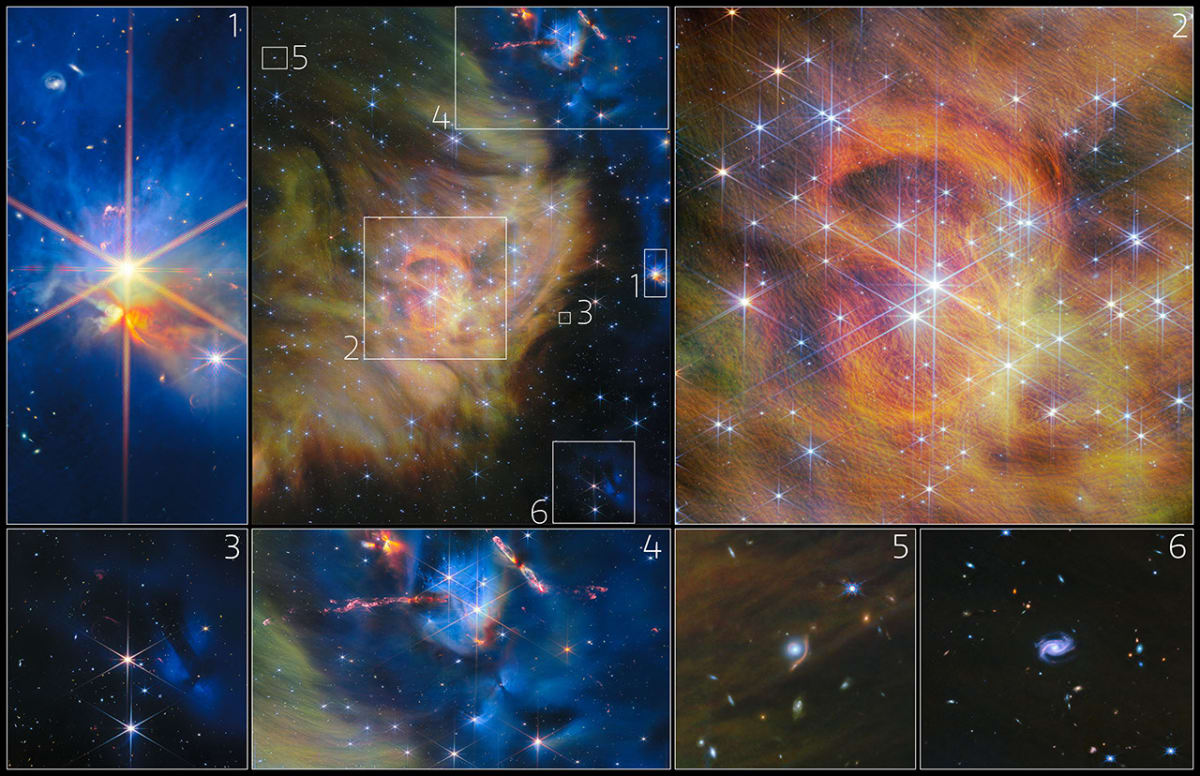
What makes this discovery especially exciting is that these tiny brown dwarfs were hiding in plain sight. The research team first studied IC 348 in 2022, finding brown dwarfs three to four times Jupiter's mass. But when they looked deeper with Webb's sensitive instruments in 2024 and 2025, even smaller objects emerged from the cosmic fog.
The telescope's Near-Infrared Camera captured the warm glow of these young objects, revealing brown dwarfs at just 0.19 percent of our Sun's mass. These are now the smallest brown dwarfs ever confirmed.
The Ripple Effect
This discovery opens exciting new possibilities for planet formation. One of the lightest brown dwarfs showed signs of a disk around it, suggesting small planets could form around an object that's barely more massive than a planet itself. It's like finding a city built on top of another city.
The Webb observations revealed another surprise: an unidentified hydrocarbon signature in the atmospheres of the smallest brown dwarfs. This unique chemical fingerprint suggests these extreme objects might represent an entirely new spectral class, different from anything astronomers have cataloged before.
The image itself offers more than just brown dwarfs. In the upper right corner, protostars shoot jets of material into surrounding gas and dust, creating luminous regions called Herbig-Haro objects. These cosmic fireworks show baby stars actively forming right now, giving astronomers a front-row seat to stellar birth.
IC 348 sits in the constellation Perseus, where cold molecular clouds continuously collapse to create new stars. Some of these stellar newborns will become massive stars that explode as supernovas after just a few million years. Others, like the brown dwarfs Webb discovered, will glow faintly for billions of years.
This research is part of Webb's General Observer Program, which seeks to understand how planetary-mass objects vary between different star-forming regions. Each new observation adds pieces to the puzzle of how our universe creates everything from the largest stars to the smallest failed ones.
The universe just got a little more mysterious and a lot more interesting.
More Images
Based on reporting by Google: James Webb telescope
This story was written by BrightWire based on verified news reports.
Spread the positivity!
Share this good news with someone who needs it