Weight Loss Drug Cuts Bipolar Hospitalization Risk 21%
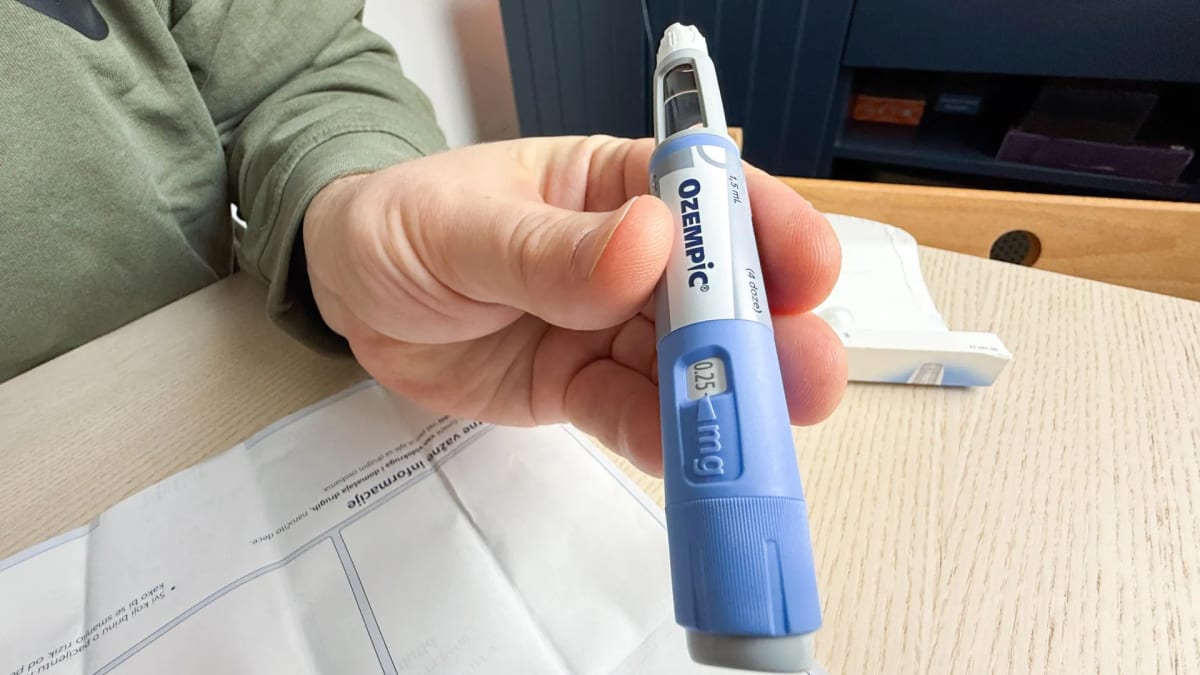
Semaglutide, the medication in Ozempic and Wegovy, reduced psychiatric hospital visits by 21% for people with bipolar disorder in a study of 15,000 patients. Scientists believe the drug may help stabilize mood by reducing brain inflammation.
A popular weight loss medication might offer unexpected hope for millions living with bipolar disorder.
Researchers at Griffith University discovered that semaglutide, the active ingredient in Ozempic and Wegovy, was linked to a 21% lower risk of psychiatric hospitalization among people with bipolar disorder. The finding emerged from a comprehensive 15-year study tracking nearly 15,000 patients across Sweden.
About 37 million people worldwide live with bipolar disorder, according to the World Health Organization. Many also struggle with diabetes and obesity, conditions that may share underlying biological connections with mental health challenges.
Professor Mark Taylor, who led the research team, analyzed nationwide Swedish health data to understand how GLP-1 medications might affect psychiatric outcomes. "People with bipolar disorder who were taking semaglutide had significantly lower rates of psychiatric hospitalization compared with periods when they were not taking GLP-1 medicines," he explained.
The protective effect appears unique to semaglutide. Two other medications in the same drug class, liraglutide and dulaglutide, showed no similar benefit for mental health outcomes.
The Bright Side
Scientists think semaglutide might protect the brain through multiple pathways. The drug could reduce inflammation, lower cellular stress, and influence other biological processes associated with mood instability in bipolar disorder.
These effects may help people maintain greater mood stability and reduce their risk of relapse. The discovery opens a promising new research direction for a condition that has limited treatment options.
Professor Taylor emphasized that the next step requires a randomized controlled trial. Such a study would provide stronger evidence about whether semaglutide directly improves psychiatric outcomes, rather than just showing an association.
The research builds on growing evidence that GLP-1 medications offer benefits beyond their original purposes. Earlier studies have linked semaglutide to reduced depression and anxiety risk, stronger bones, and other unexpected health improvements.
For people managing both metabolic and mental health conditions, this discovery could mean treating multiple challenges with a single medication. The overlap between diabetes, obesity, and bipolar disorder makes these findings especially relevant for patients who face all three.
This breakthrough reminds us that medical advances often surprise us, opening doors to healing we never expected to find.
Based on reporting by Health Daily
This story was written by BrightWire based on verified news reports.
Spread the positivity!
Share this good news with someone who needs it