Weight-Loss Drug Eases Depression Through Gut Bacteria
Scientists discovered that popular diabetes and weight-loss medications might fight depression by feeding helpful gut bacteria, not by acting on the brain directly. This breakthrough could lead to probiotic treatments for people battling both obesity and depression.
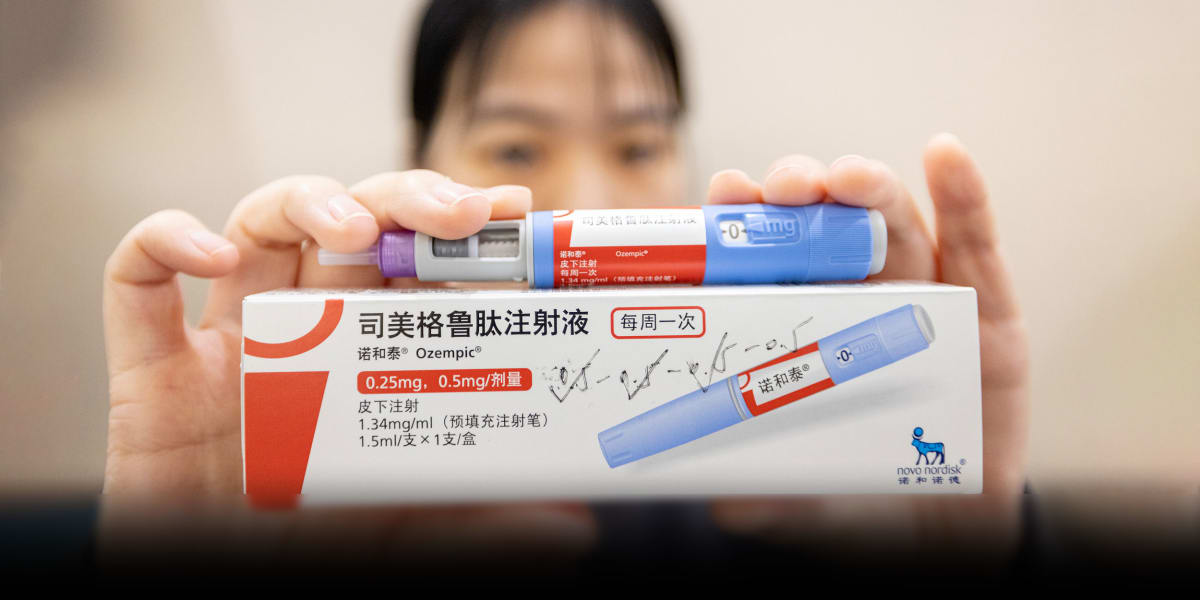
A stunning discovery about widely used weight-loss drugs just flipped our understanding of how medications can improve mental health. Researchers at Southeast University in China found that liraglutide (sold as Victoza and Saxenda) fights depression by nourishing specific gut bacteria, completely bypassing the brain.
The findings solve a medical mystery that has puzzled doctors for years. Some patients taking GLP-1 drugs for diabetes or weight loss reported feeling happier, while others experienced increased anxiety, leaving scientists confused about what was really happening.
The research team tested liraglutide on mice experiencing chronic stress and made a surprising observation. Instead of accumulating in the brain as expected, the drug gathered almost entirely in the intestines.
Here's where it gets fascinating. The scientists used mice with their GLP-1 brain receptors completely removed, expecting the antidepressant effects to disappear. Instead, the mice still experienced the same mood improvements, proving the brain receptors weren't involved at all.
The real magic happened in the gut. When researchers gave mice antibiotics that wiped out their gut bacteria, liraglutide's antidepressant effects vanished completely, confirming that living microbes were essential to the process.
Detailed analysis of the mice's gut bacteria revealed the hero of the story: Lactobacillus delbrueckii. This single bacterial species exploded in population after liraglutide treatment, and its abundance directly matched how much the mice's mood improved.
The bacteria produces a compound called diacylglycerol, which the body converts into 2-arachidonoylglycerol (2-AG), a natural brain-calming molecule. Higher levels of 2-AG act like a gentle brake on overactive stress circuits in the brain, naturally reducing depression and anxiety.
The Ripple Effect
This discovery opens exciting doors for treating millions of people struggling with both metabolic disease and depression. Instead of taking multiple medications, patients might one day receive targeted probiotic supplements containing Lactobacillus delbrueckii alongside their diabetes or weight-loss treatments.
The implications extend beyond current drug users. Doctors could potentially prescribe specific bacterial strains as standalone treatments for depression, offering a completely new approach to mental health care that works through the gut instead of the brain.
The research team notes one important limitation: they only studied male mice, so scientists need to verify whether this gut-brain pathway works the same way in females before developing treatments for everyone.
This breakthrough reminds us that our bodies are complex ecosystems where unexpected connections can lead to revolutionary treatments.
More Images

Based on reporting by Google News - Health
This story was written by BrightWire based on verified news reports.
Spread the positivity!
Share this good news with someone who needs it